

Although video chat has become a daily routine, Apple's Facetime has always been tepid. Under such circumstances, is it the price paid for privacy protection or a mistake in product design?

The Dilemma of Multi-Device Support
Not everyone in many families uses Apple devices. Facetime can only run on iPhone, iPad or Mac. Android phones and Windows computers cannot access it. When a group of people plan to have an online gathering, as long as one friend uses an Android phone, Facetime must be excluded from the selection.
This closed feature was particularly inconvenient during the epidemic period. Online meetings or family gatherings need to be able to accommodate everyone's devices. Software that provides cross-platform services, such as Zoom or Skype, occupies a favorable situation. They can achieve the purpose of participation with just one link, and the ecological barriers of Facetime have become the biggest obstacle to its widespread popularity.
The complexity of the account system
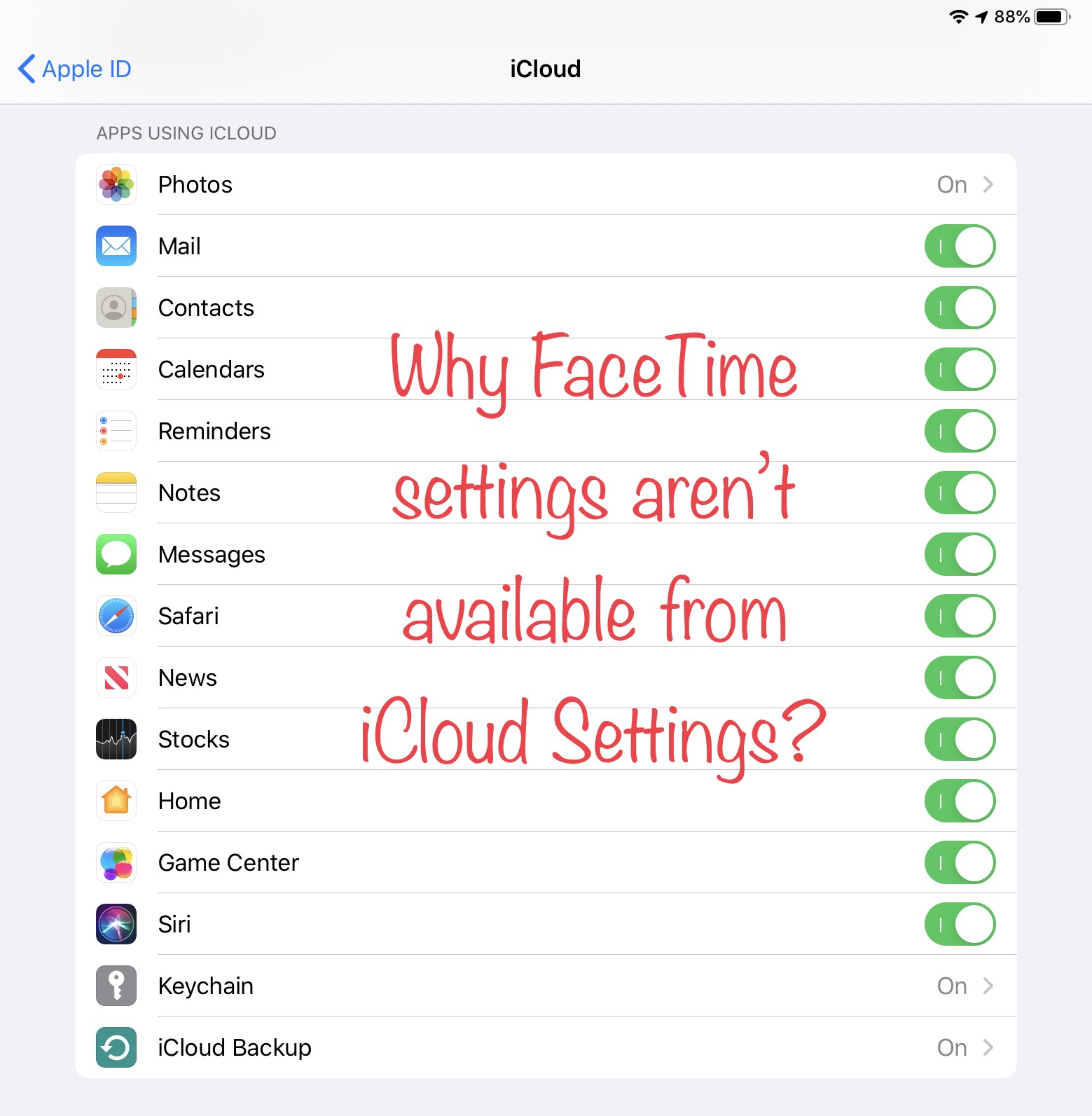
Apple ID is a threshold for using Facetime. However, managing multiple IDs and binding emails is extremely confusing. Users may log in with account A on iPhone and account B on Mac. When a friend tries to make a Facetime call, the system may not be able to accurately identify which device is online.

What’s even more troublesome is that one Apple ID can be bound to multiple email addresses and mobile phone numbers. When making a phone call, the person making the call must clearly know the precise contact information the other party uses for Facetime. If you enter the wrong email address, the call will fail. Such uncertainty causes many users to simply give up trying.
Lack of enterprise functionality
Facetime is not optimized for corporate meetings. It does not support the virtual background function. When working from home, private living space may be exposed. The meeting host cannot invite new members to join in the middle of the call, but can only set up the call again by the initiator.
Even if the screen sharing function does not exist, in work scenarios, presenting documents or sharing data is a basic need. Although this can be regarded as Apple's privacy protection behavior, it does limit the application of Facetime in the workplace, making it difficult to compete with Teams and Zoom.
The call logic is counter-intuitive
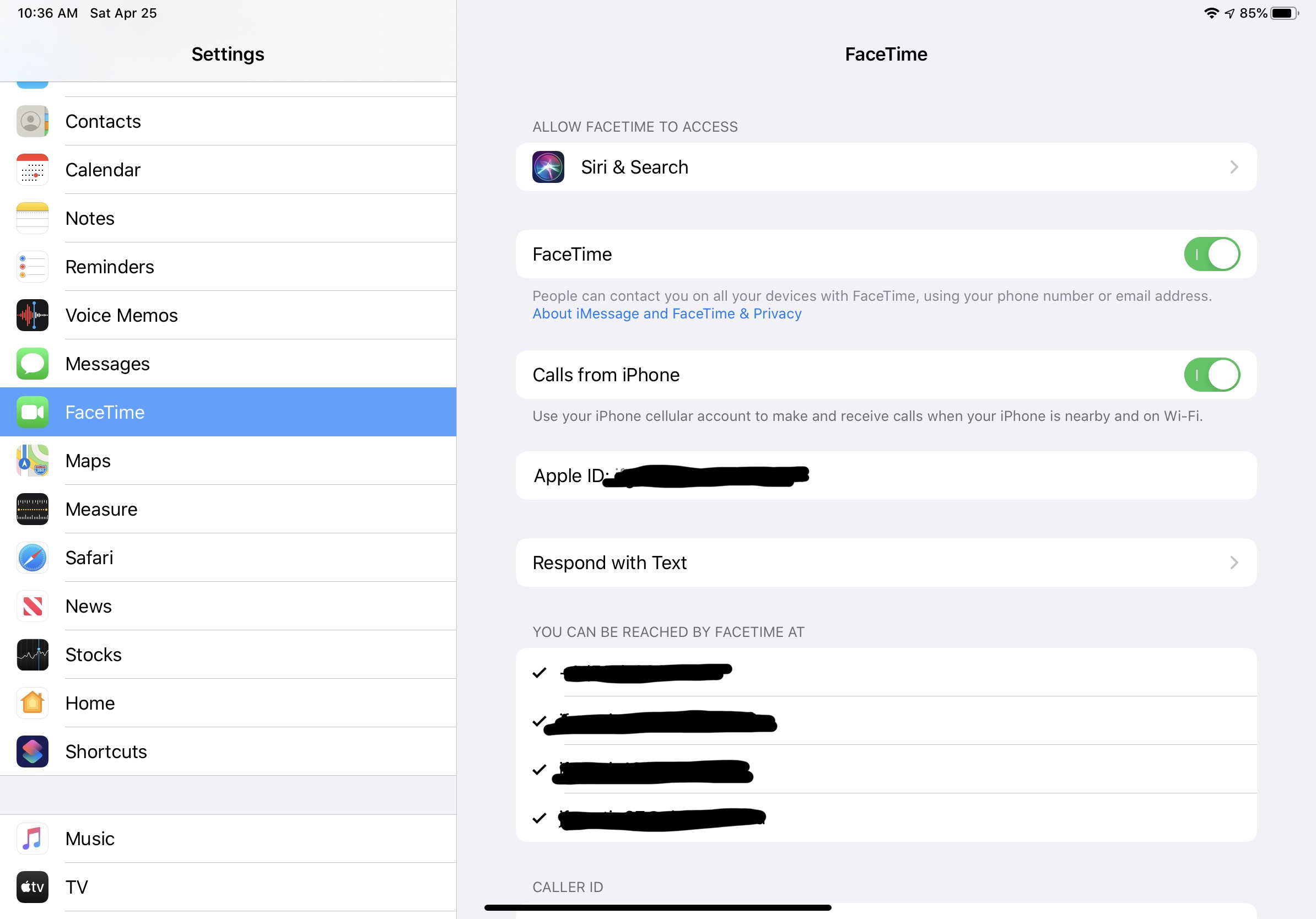
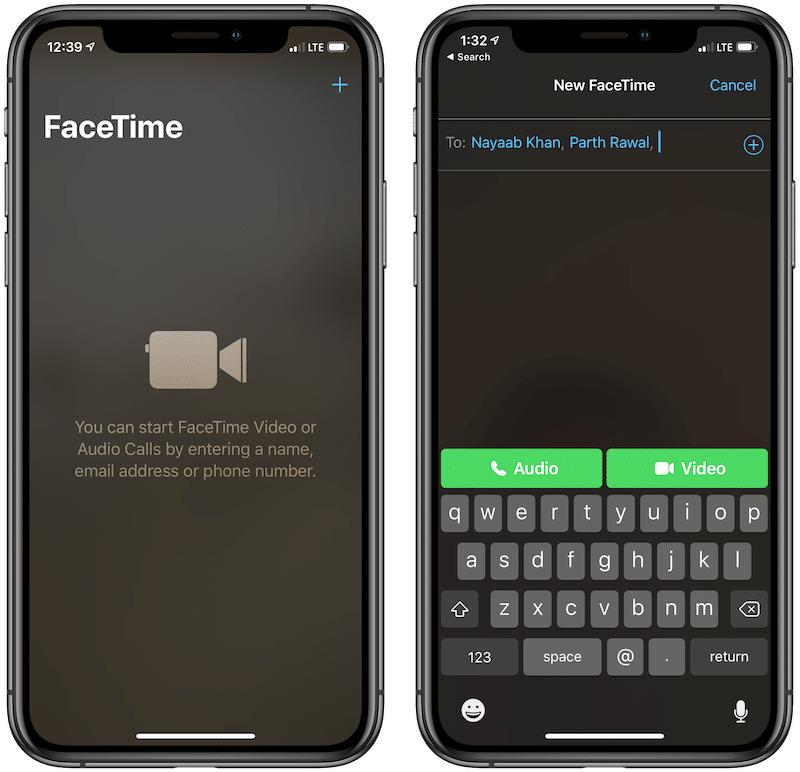
Using email addresses to make video calls has confused many users. Most people are accustomed to using mobile phone numbers to contact others. However, Facetime allows calls to be made using undisclosed email addresses, which is very likely to lead to unknown calls and also increases the chance of call failure.
When a call cannot be connected, it is extremely difficult to diagnose the problem. Users have to check the login status of each device, the binding status of the mailbox, and the network settings. In comparison, Zoom only needs to click on the meeting link to join, and its operation threshold is much lower.
Unfriendly interface design
It is easy to cause confusion when the call history of the Facetime application is mixed with the ordinary call history of the mobile phone. The call list occupies a prominent position recently. However, with the current demand for group videos, this design seems a bit outdated.
During a group video chat, the picture of the person speaking will automatically enlarge. When multiple people are chatting, the picture will always switch sizes, which will cause distraction and even cause dizziness for some users. Such a dynamic layout does not provide a close option, and the experience lacks humanization.
Missed requirements iteration window
While the epidemic has created a large demand for group videos, Apple’s update focus is on Memoji animation special effects. Although these interesting features are interesting, they do not resolve the core pain points of multi-person calls. Facetime is still more suitable for one-on-one calls.
From its release in 2010 until now, Facetime's infrastructure does not seem to have fundamentally changed, and its services have failed to keep up with the trend of open collaboration. Even among Apple users, many people have turned to other applications due to the above-mentioned inconveniences.
Have you ever used Facetime to develop multi-person video functions during the epidemic? What was the most difficult problem you encountered?