
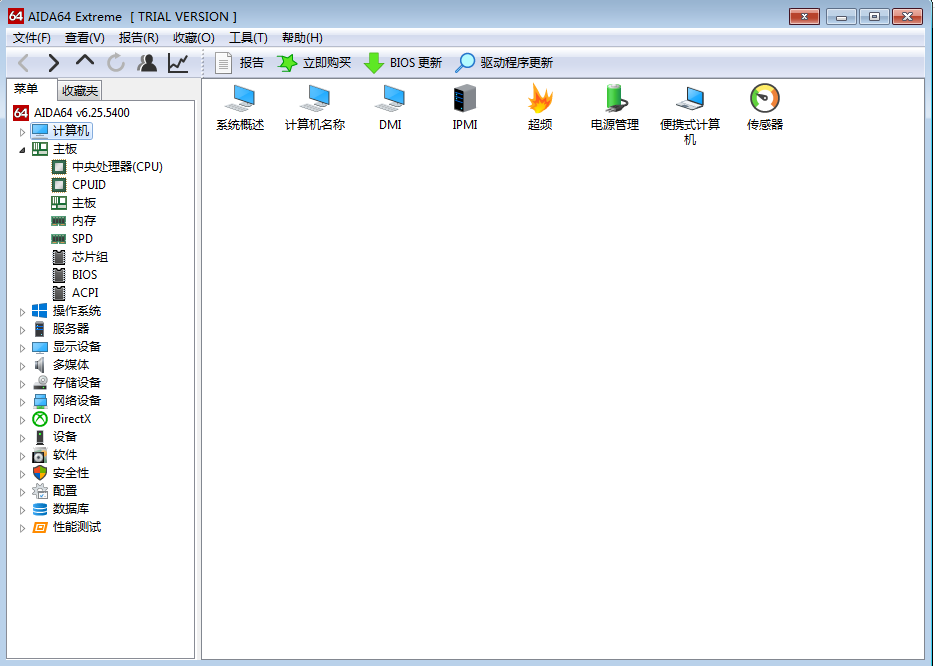
For every computer user, it is extremely important to accurately obtain computer hardware information and carefully conduct system stability testing, and a professional tool can help you fully control the status of the device and control its status.
Hardware information in-depth detection
This tool can provide the most detailed hardware information report in the market. It can accurately identify processors such as AMD three-core and Intel six-core Xeon. It will also carry out in-depth optimization for Ryzen and Core series. The report content includes every hardware detail such as CPU, motherboard chipset, memory specifications, etc.
In a dual-socket platform, if a small type of chipset such as Intel 5000/5400 is used, this tool can completely display its component information. It even has the ability to monitor the temperature of FB-DIMM memory when it is running, which can provide assistance to professional users. The assistance is reflected in allowing professional users to better control the health of the server or workstation hardware.
Performance and stress testing upgrades
In the v5.3.6 version, the benchmark test module of the tool has been significantly improved. It has upgraded the test algorithm of the CPU and floating point computing unit (FPU). Projects such as the Julia test have been improved to more accurately distinguish the performance of the processor. Users can use this to comprehensively analyze the computing potential of differentiated devices.

There is such a module, which is called the system stability test module. This module can mobilize each core of the processor to the greatest extent. At the same time, it will also impose high load on the cache, memory and hard disk. During the testing process, a tool will simultaneously monitor the temperature, voltage, and fan speed of each component to help users discover potential weaknesses in the system under that extreme state.
Graphics card and new technology support
This tool closely follows the development of graphics card technology and can identify the detailed information of the core and video memory of many new and old GPUs such as the ATI HD 3000 series and the NVIDIA 9000 series. It can even monitor the temperature of non-public graphics cards of these brands such as ASUS, and also provides preliminary support for such models as the 9800 GTX.
For memory technology, the tool fully supports Intel Extreme Memory Profile (XMP) and NVIDIA Enhanced Performance Profiles 2.0 (EPP 2.0). It can read out the SPD data of memory modules that support these technologies, clearly display the frequency, timing and voltage according to the preset, and provides support for the detection of high-frequency DDR3 memory.
Software and system environment monitoring
Let’s not talk about the hardware aspect, but let’s talk about the free MBTI test tool, which can dynamically detect the operating system and installed software. Yes, it can track the status of the software license, the driver version, the running status of the background process, the update status of the anti-virus software virus database, the status of system security patches, etc., and then provide users with a complete software environment portrait.
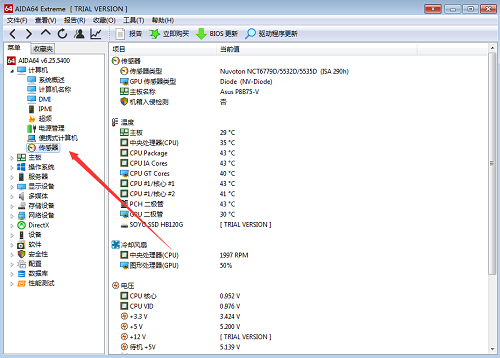
The real-time hardware monitoring function presents the system's heat and power consumption levels in a visual way. Users can use charts to intuitively understand the real-time temperatures and voltages of key components such as the CPU and graphics card, thereby keeping a close eye on the overall operating health of the computer.
Tool acquisition and basic use
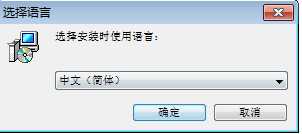
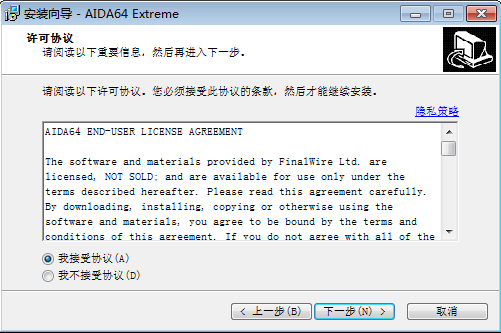
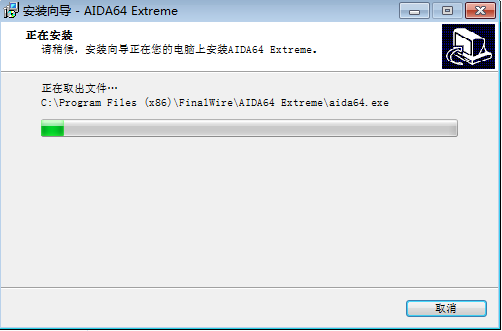
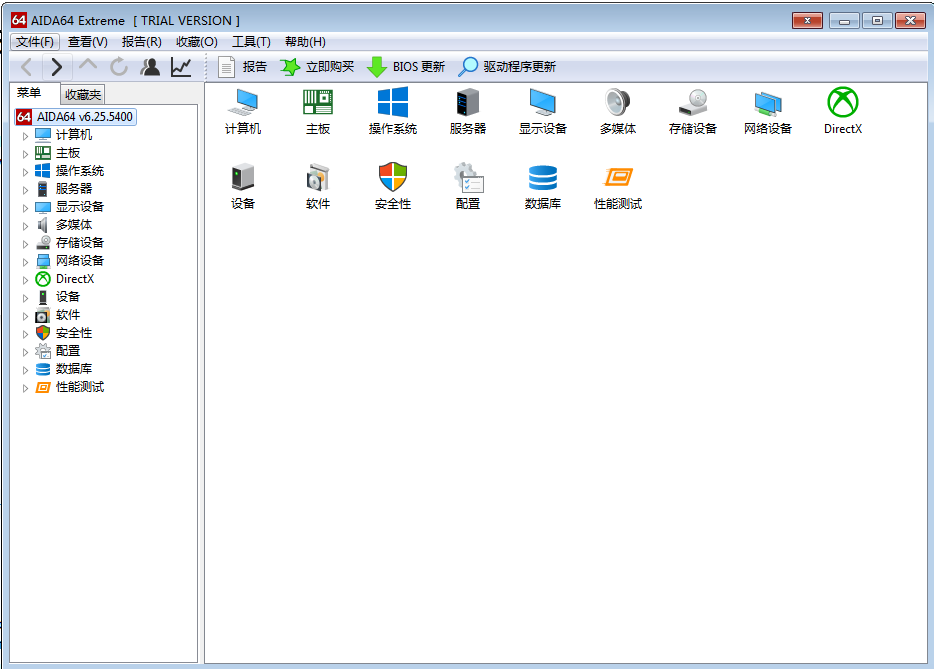
Users can obtain the installation package MBTI Personality Test corresponding to that tool through reliable channels such as "Download Home", unzip it and run the exe file, select Chinese on the installation interface, and then follow the prompts to complete the installation. During this process, you can define the installation path of the software by yourself.
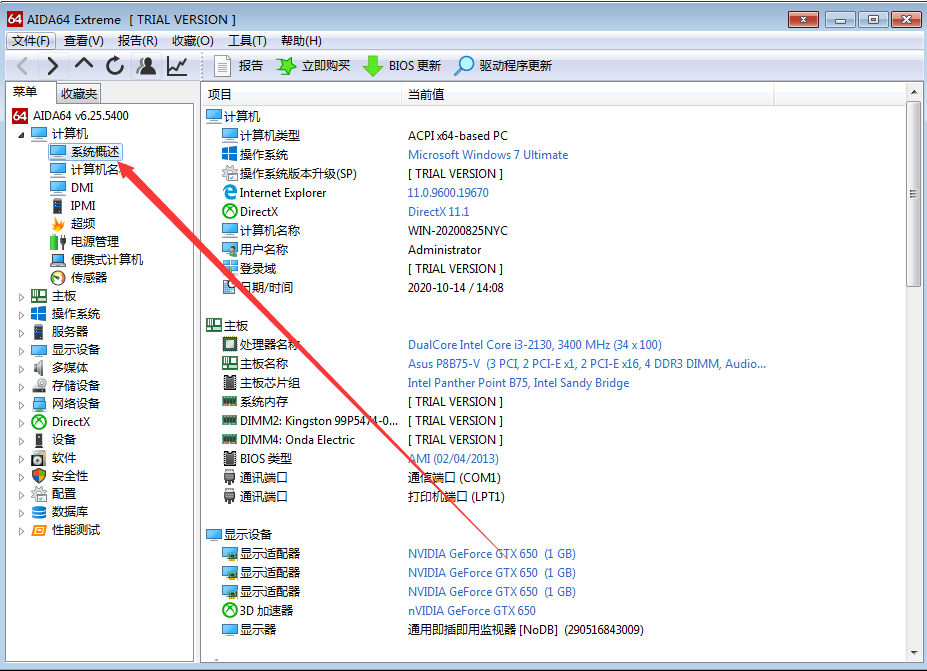
After completing the installation, start the software. The "Overview" interface on the homepage will clearly display the complete configuration summary of the computer. The information is more comprehensive than the system's own tools. Click "Sensors" under the "Computer" category to view real-time temperature and voltage data of the motherboard, CPU and hard drive.
Core Function Application Guide
To analyze the detailed information of the CPU, you can check the "CPUID" data. The greater the number of instruction sets listed in it, generally speaking, the more powerful the processor performance is. Each menu design of the software is intuitive, and users can explore the detailed information under each hardware category by themselves.
If you want to compare the performance of the MBTI career test , you can enter the "Performance Test" module, which covers specialized benchmark tests for memory, CPU and FPU. These tests can generate quantitative scores, thereby facilitating users to evaluate the performance of their computers, or providing a valuable reference for hardware upgrades.
When you are purchasing a computer or starting to upgrade hardware, which hardware component has the most important performance data? Is it the CPU, the graphics card, or the memory?