
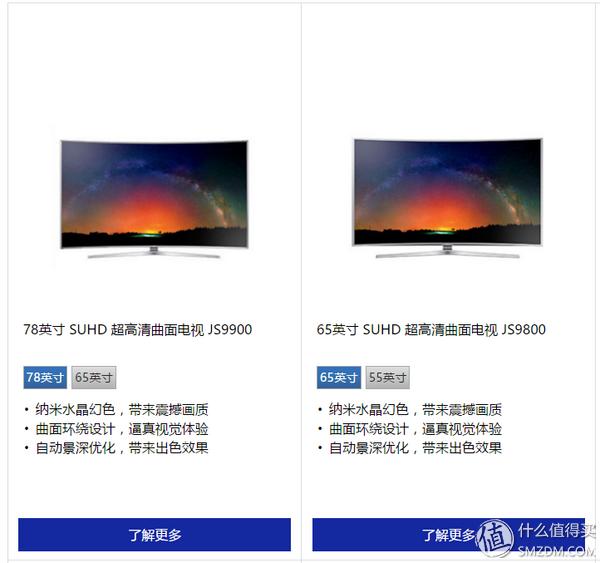
You may spend a high price to buy a 4K TV, but its picture quality is not even half of the standard. This is not an unfounded exaggeration. Many consumers are actually facing such an embarrassing reality.
HDR is the core of image quality
High dynamic range technology is the most critical aspect for improving the viewing experience. It can show both brighter highlights and darker shadow details at the same time. This move will make the picture closer to the real world. If there is no HDR 4K, no matter how high the resolution is, the picture will easily appear flat and weak.
Many early or low-end 4K TVs placed on the market do not have the ability to support true HDR playback. What they obtain may only be that the screen resolution reaches the marked 4K, but in terms of picture color and picture contrast, it is far from the standard it should be. What this implies is that the dynamic range of the final picture you see is limited, and the loss of details in the picture is extremely serious.
4K projection technology is still evolving
Sony's SXRD technology, which falls within the scope of home 4K projection, used to be the benchmark and provided reliable solutions. However, technology changes at a rapid pace, and other solutions are catching up. For example, DLP technology has also launched 4K chips, but it will take time to mature and become popular.
At present, the cost and effectiveness of home 4K projection equipment are still contradictory. Those high-end products have excellent performance, but the price is extremely high. For an affordable product, the color accuracy and lens quality may be greatly compromised. Consumers have to make trade-offs based on their own budgets.
Screen size and certification matter
In order to maximize the clarity advantages of 4K, the recommended screen size is no less than 120 inches. Large screens can bring a more immersive experience, but TVs over 100 inches on the market are extremely expensive, so projection is a more practical option.

The quality of the screen itself cannot be ignored, especially for the sound-transparent screens used in home theaters. Be sure to choose certified 4K products. Inferior screens will seriously damage the sharpness, color and uniformity of the picture, causing the efforts of high-end projectors to be in vain.
Amplifiers need to keep up with video standards
When building a cinema, the amplifier acts as the hub that connects all the equipment to one another. It must have the ability to completely transmit 4K HDR signals. And if the power amplifier does not support the HDMI 2.0a standard, including more advanced standards, then the HDR signal may be cut off, resulting in a decrease in image quality.
For those who are not music enthusiasts, there is no need to blindly pursue large floor-standing speakers and use them as the main speakers. The combination of center speakers and bookshelf speakers that meet THX specifications can often provide more precise effects in terms of movie dialogue and sound effect positioning. For power amplifiers, you should give priority to the mid-range models recently released by Japanese brands. They have full functions and are very cost-effective.
A subwoofer is not a dispensable toy
For a theater system, the importance of the subwoofer is outstanding. It is responsible for reproducing and restoring the low-frequency effects in movies. It is the key to creating immersion and impact. For small cannons that are matched with many sets, it often happens that the sense of volume is lacking and the degree of penetration is not enough.
It is recommended to choose a subwoofer product that is independent and has guaranteed performance. For example, some brands have launched models that can be finely adjusted and calibrated using mobile apps, which allows users to more conveniently adjust according to the acoustic characteristics of the room to obtain a smoother low-frequency response.
How to avoid purchasing traps
There are a dazzling array of "4K" and "HDR" logos on the market, and consumers can easily get confused. It is a simple way to check the official detailed specifications to confirm whether the device supports mainstream HDR formats such as HDR10, HLG or Dolby Vision.
Don't believe those general propaganda words easily. For TVs, you need to pay attention to its peak brightness, color gamut coverage and other relevant parameters; for playback equipment, you need to confirm its output capabilities. At this time point in 2025, building a theater that can truly enjoy 4K HDR audio and video effects requires that every link must meet the standards.
When purchasing equipment, when selecting devices in the field of home theater, what kind of promotional terms are you most likely to be deceived by, and what kind of traps have you encountered? You are welcome to share your past experiences. If you find this article helpful, please give it a like and support.