If you want to use your mobile phone to shoot a retro film-like effect, there are many apps that can achieve this goal. However, there is one that has attracted the attention of many photography enthusiasts with its unique simulation effects and operating experience.
A wide selection of retro filters
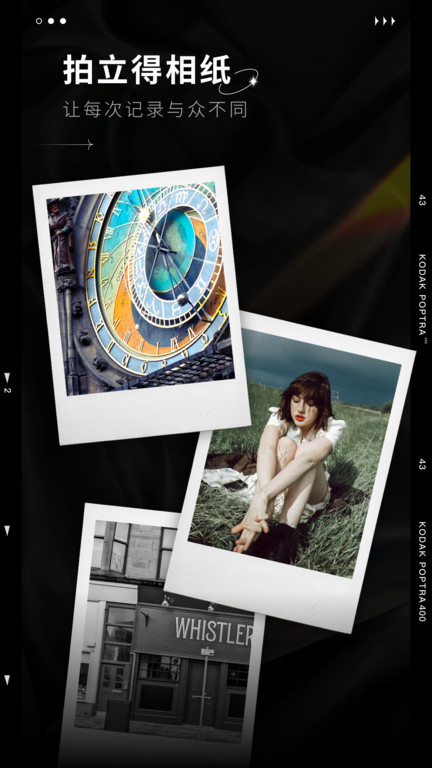
The core of this application is to provide many retro filter effects. It simulates various visual effects from Polaroid instant imaging to the VHS video tape style of the 1980s and 1990s. Users can directly shoot or import photos for editing. These filters are not simply tonal adjustments, but try their best to restore the unique textures of color and contrast of film cameras and camera equipment of different eras.
For example, its Polaroid effect adds the signature white edges and slightly warmer tones to photos, mimicking the look and feel of instant photo paper. The VHS effect adds slight noise, color shifts, and low contrast, creating a nostalgic atmosphere like old video tapes. Users can quickly select the appropriate style and tone based on the content contained in the photo and the emotion they want to express.

Dynamic and glitch art special effects
In addition to static filters, the app can also support the creation of dynamic effects and glitch art. Users can add simple animation elements to photos, such as flashing spots or flowing lines, to make static images dynamic, which is very helpful for producing creative social media content.
Glitch art effects rely on errors in analog digital signals to produce visual distortions, such as screen tearing, color separation, and pixel jitter. This special effect, which originated from the technological sense of the 1980s and 1990s, can add a contradictory charm of futuristic or retro technology to photos, and is suitable for expressing chaotic, surreal or avant-garde themes.
Real-time shooting and editing functions
The application has the function of directly adding filters and special effects while in the state of real-time shooting. This allows users to preview the final effect of editing in the viewfinder as required. This situation changes the traditional process of shooting first and then retouching. It helps users to better layout the picture and accurately grasp the overall atmosphere at the shooting scene, and the feature of being able to preview in real time is particularly valuable for shooting video clips.
At the same time, the application provides basic shooting aids, such as composition grid lines. Grid lines can help users better follow the rule of thirds, symmetry and other composition principles to enhance the structural sense of the photo. Although the functions are not complicated, these tools can already meet the basic needs for daily recording that pursues quick production of photos.
Simulates the feel of a film camera
In order to enhance the sense of immersion, it is used in the design of the operating interface to simulate part of the experience of a traditional film camera. For example, it provides the option of manually adjusting the focus, and users can simulate the focusing process by sliding the screen. This interactive design adds a sense of ritual.
The app intentionally mimics the "imperfect" elements that may occur in film photography, such as light leaks, grainy noise, and random halos. These are often seen as effects of flaws in digital photography, and are key to creating a sense of nostalgia and uniqueness, resulting in a certain amount of chance in the final result of each photo.
Application of 3D photo effects
The app has a special function that creates a 3D photo effect. It is not really a three-dimensional imaging. Instead, it uses algorithms to add extremely subtle parallax movement effects to objects at different levels in the photo. Once the user slides on the screen or tilts the phone, the picture will create a 3D-like illusion of depth.
This feature gives photos a novel interactivity and interest. Users can use it to highlight the subject, or add a dynamic sense of surprise to ordinary landscape or portrait photos. It provides a simple way to make static images "alive". Although the degree of effect is limited, it is enough for those creative expressions.
Software experience and applicable scenarios
In terms of the overall experience, the advantage of this app is that it integrates a variety of retro special effects into a simple interface, thereby lowering the threshold for creation. Its filter library covers a wide range of styles, from classic film styles to cyber glitch styles, and is suitable for users who want to quickly add a distinctive style to their photos.
It is especially suitable for content creation on social media, recording of daily life, and creative experiments conducted by photography enthusiasts. Whether you want to add a sense of nostalgic stories to your travel photos, or want to create a unique emotional atmosphere for portraits, users can find the right tool. It's more akin to a "special effects toy box" for the digital age, making nostalgia and innovation easily accessible.
Which retro filter do you prefer to use to modify your photos? Is it a classic film tone or a more avant-garde glitch art? You are welcome to share your works and experiences in the comment area. If you find this article helpful, please support it by giving it a like.