The annual selection of words often goes beyond the scope of language itself and becomes a mirror that can observe social emotions. This is a phenomenon.
Social Mirror of Word of the Year
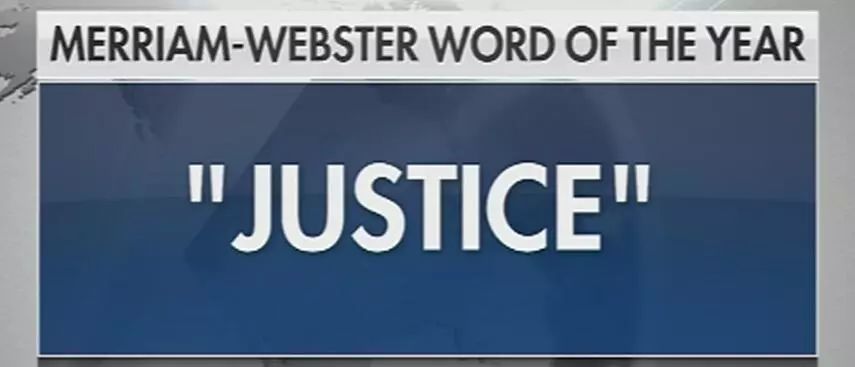
Every year, the annual word selections promoted by major dictionaries always attract people's attention. Among them, in 2018, Merriam-Webster Dictionary selected "justice", Oxford Dictionary focused on "toxic", and dictionary websites paid more attention to that As for “misinformation”, well, these choices did not appear by chance. They directly reflected the focus of public discussions around the world that year, covering a series of aspects ranging from demands for judicial justice to concerns about the online environment.

The differences in word choice that exist across institutions reveal the multifaceted nature of social anxiety. Webster's "justice" is related to a series of specific issues such as "racial justice" and "social justice", showing concern for systemic issues. "Toxic" and "misinformation" directly point to the pollution of the information environment. Together, these words paint a picture of the complex mindset of people in 2018 as they pursue fairness and cope with an corrosive environment.
The annual story behind the word
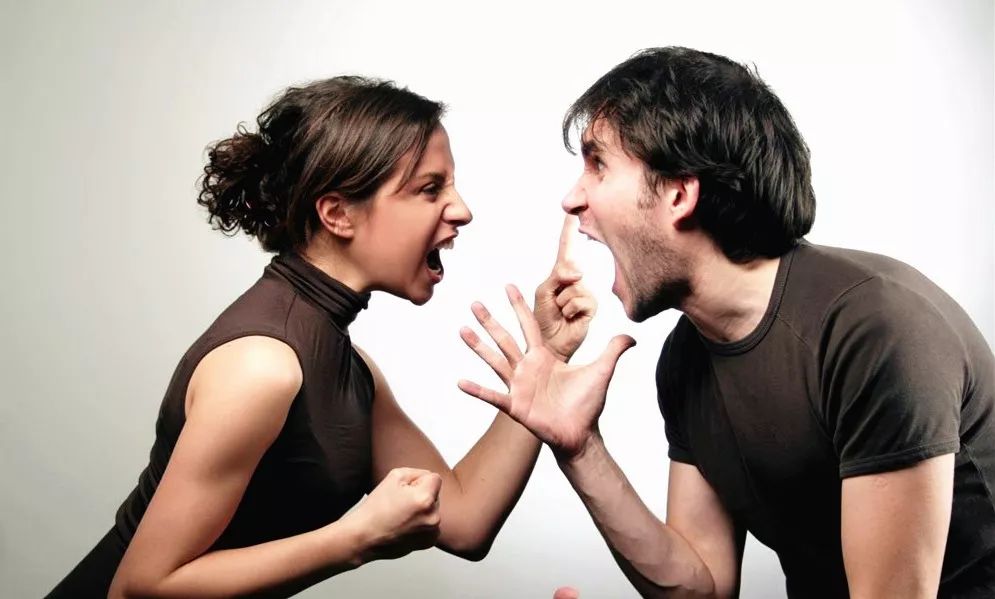
When a word becomes the word of the year, it indicates that its frequency of use showed a significant peak in that year. For example, the number of searches for "justice" surged in 2018. This is closely related to a series of social events that have triggered widespread discussion. The public uses this word to try to understand ongoing news and deep social conflicts.
The frequent use of these words is a manifestation of the public's collective search to understand and define the current moment. When people repeatedly search for and use “toxic” to describe work environments or relationships, they are actually looking for a label for a common feeling. That’s why the word of the year has become a clear marker of changes in collective mood.
Language and collective psychology
The real-time feedback system of social psychology is language. The annual vocabulary changes, which is like a group psychological report that is continuously being written. The early vocabulary was more technical or optimistic, but in recent years, more vocabulary involving social conflicts and environmental crises have appeared one after another. This change itself is worthy of in-depth consideration.
The changes in word choice also show the shift in public attention. This reminds us that language is not only a tool for communication, but also a sensitive probe that can be used to sense and detect the temperature and pressure of society and then present the characteristics of the state. By analyzing these words and the specific context in which they are located, we can more clearly see what the fears and hopes of an era are not clearly expressed.
From vocabulary to real issues
Words of the Year often spark in-depth discussions about real-life issues. For example, the election of "justice" will definitely lead the discussion to specific domains such as judicial practice, racial equality, and social fairness. It makes everyone think: To what extent have we achieved justice? In which areas do injustices still exist?
Similarly, the word "misinformation" has drawn public attention to issues in information dissemination mechanisms and media literacy. It has prompted society to examine the responsibilities of online platforms, examine the process of information verification, and also examine how individuals maintain critical thinking in the face of massive amounts of information. The vocabulary has become the starting point for in-depth discussion of complex issues.

Controversy and Limitations of Choice
The selection of the word of the year is not without controversy. Some people feel that selecting a single word simplifies a complex year and may ignore other equally critical social contexts. For example, will emphasizing "toxic" excessively exaggerate negative emotions? Does focusing on “justice” represent the perspective of a specific group?
Cultural background and user composition are within the scope of the selection agency, which will inevitably have an impact on the final result. The selection of English-speaking world dictionaries may not accurately reflect the annual focus of other language and cultural circles. This reminds us that any "annual summary" has a specific perspective and inevitable limitations.
The lasting impact of word of the year
Words of the year, such as "post-truth", will continue to have an impact on daily language for many years and shape a way of thinking. After becoming the word of the year, they will continue to be used to analyze political and media phenomena. These words in 2018 are likely to continue to be quoted and discussed in the coming years.
As cultural markers, they will be used by future historians and researchers to analyze our era. These words, along with the social movements, technological changes, or environmental crises behind them, together build a narrative structure that defines this era. To understand these words is to understand the era we live in.
For you, what word best sums up how you felt about the past year? Feel free to share your "Personal Word of the Year" in the comment area, and like and share this article so that more people can join the discussion.