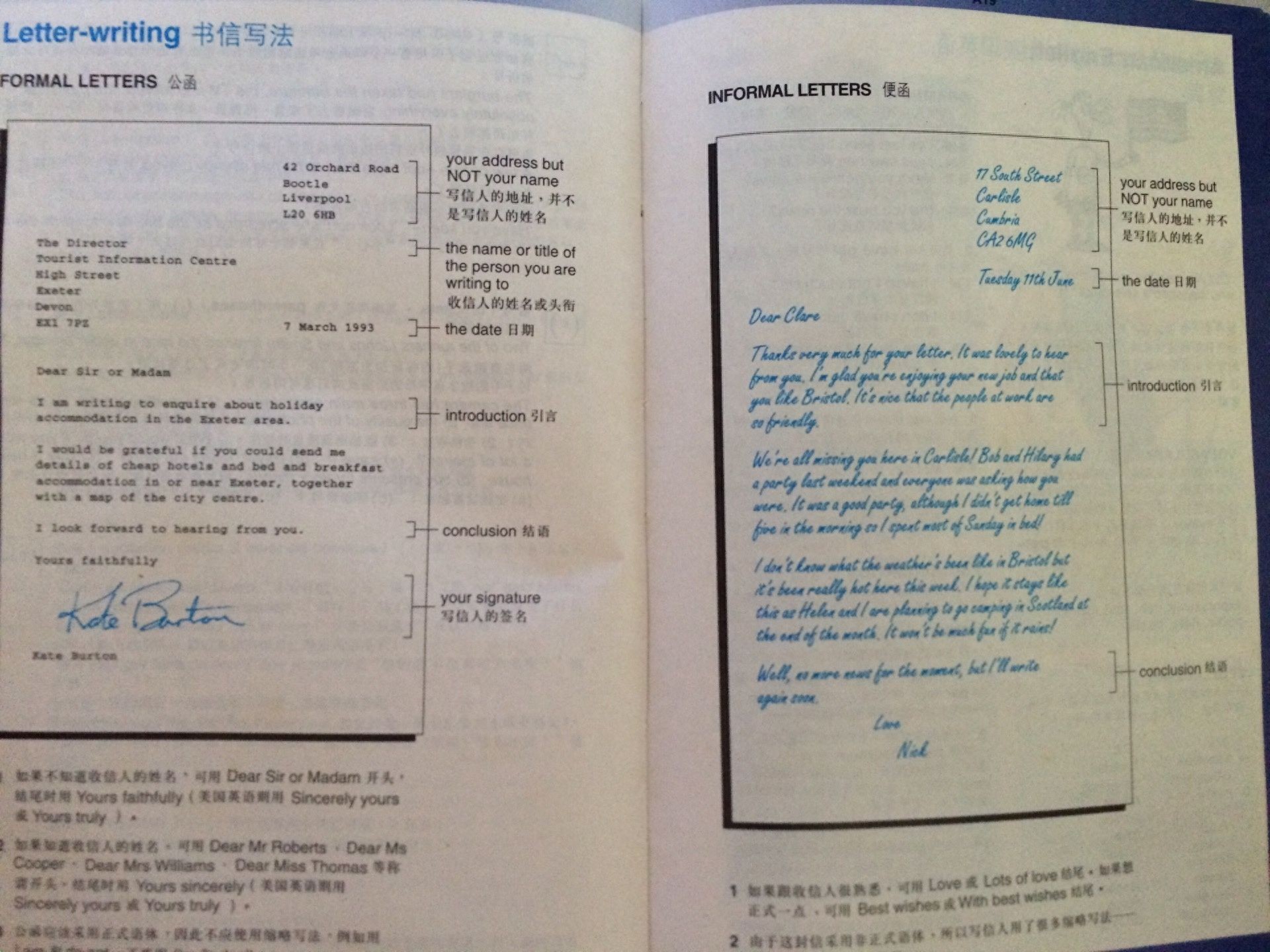
In the process of learning English, choosing the right tools and methods that meet the requirements can often make things twice as effective and more efficient. However, faced with all kinds of materials, many people are also confused and don't know where to start.

Choices at entry level
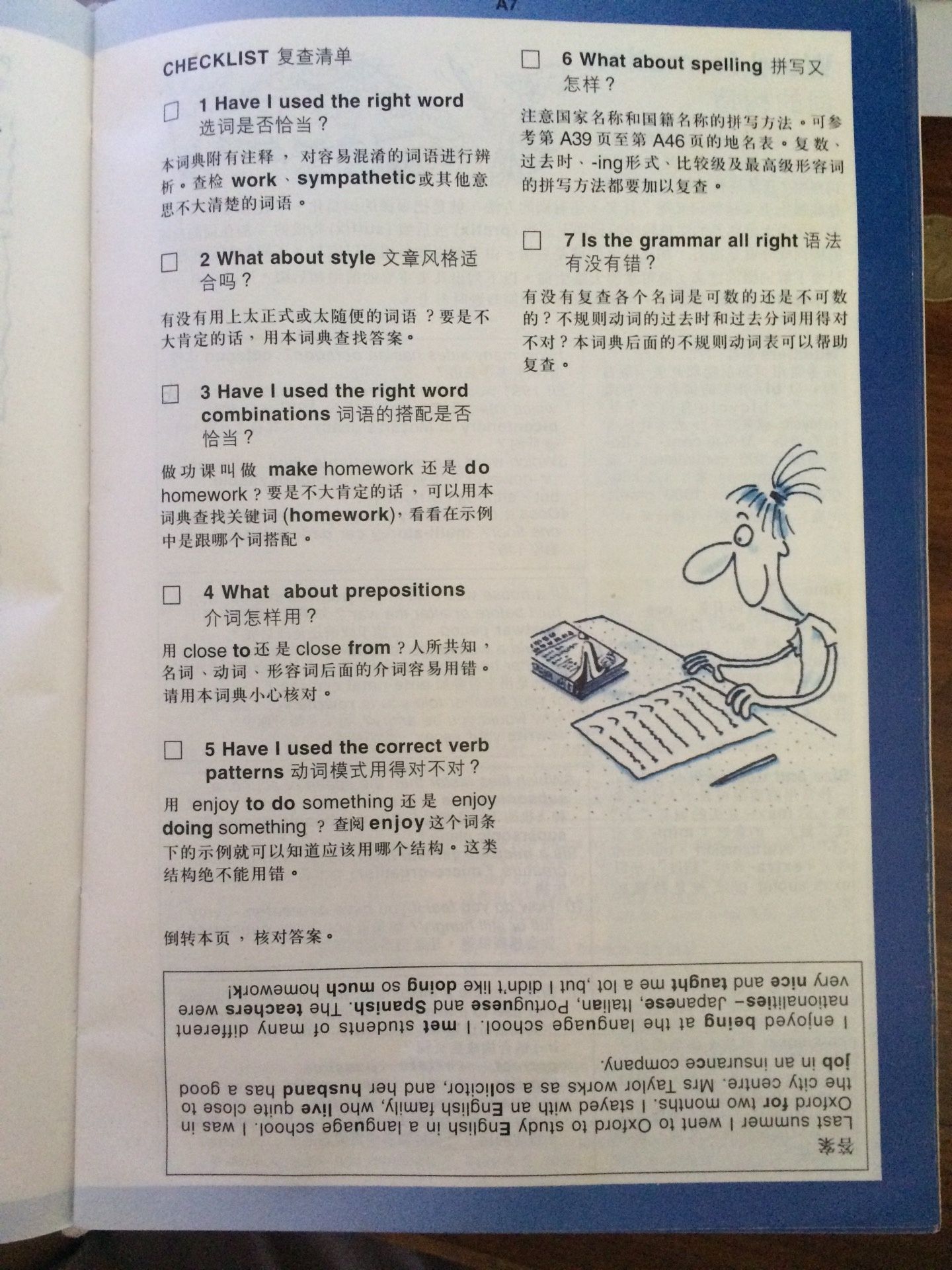
For those who are just beginning to learn English, an excellent dictionary suitable for learning is a solid foundation. This kind of dictionary is designed for people who do not speak the mother's language. The explanations are simple and straightforward, and the examples are diverse and effective. Just like the "Oxford Advanced Learner's Dictionary", a classic tool, it has been updated to its tenth edition since its first release in 1948, continuing to adapt to changes in learners' needs.
There is no need for people who are just starting to learn to look for the latest version. The core content in the version seven or eight years ago is still reliable. The key point is to make full use of a dictionary, become familiar with its arrangement and interpretation characteristics, and master the most basic two thousand to three thousand high-frequency words. This is much more valuable than collecting many dictionaries.
Strategies for preparing for exams
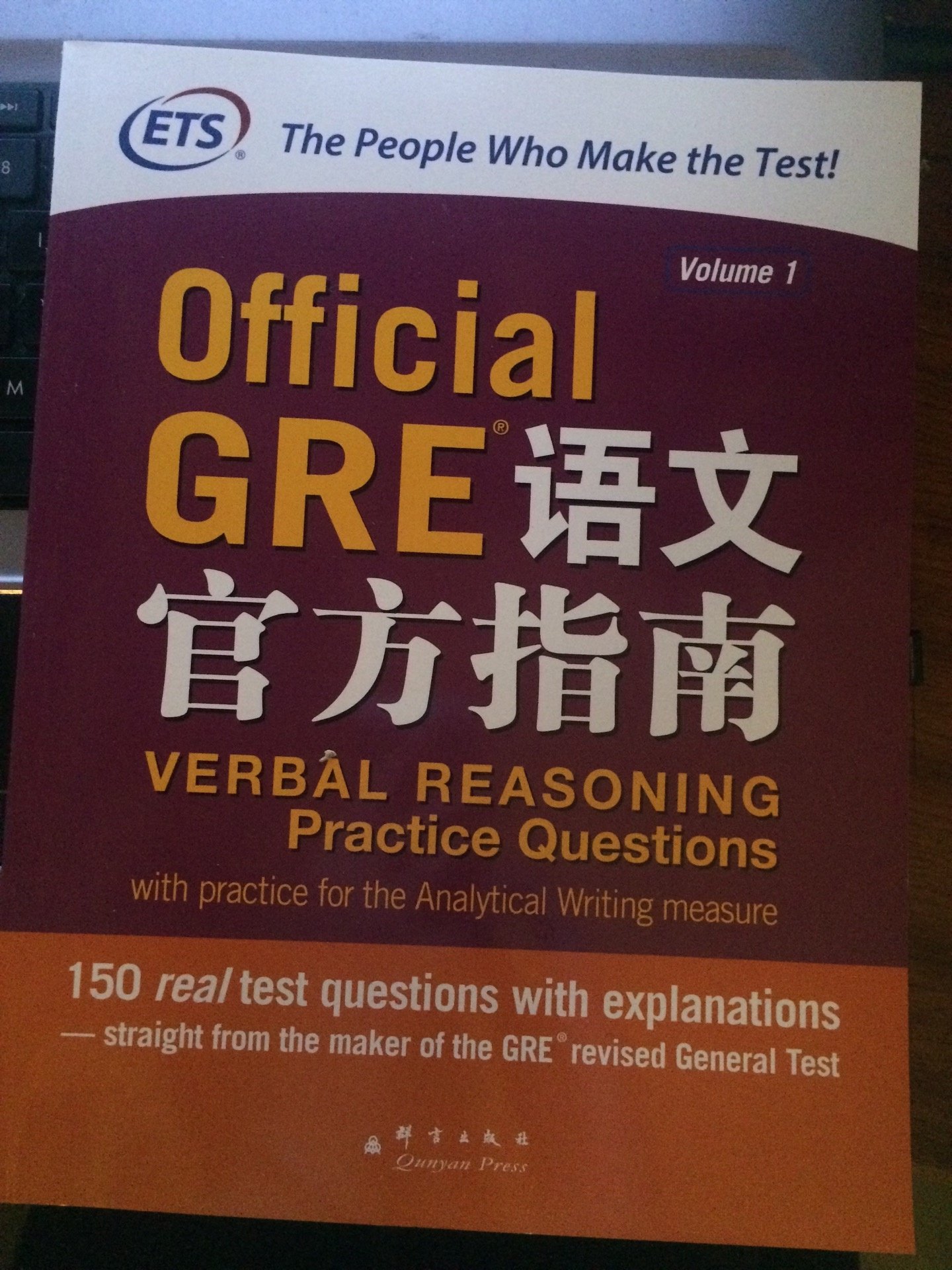
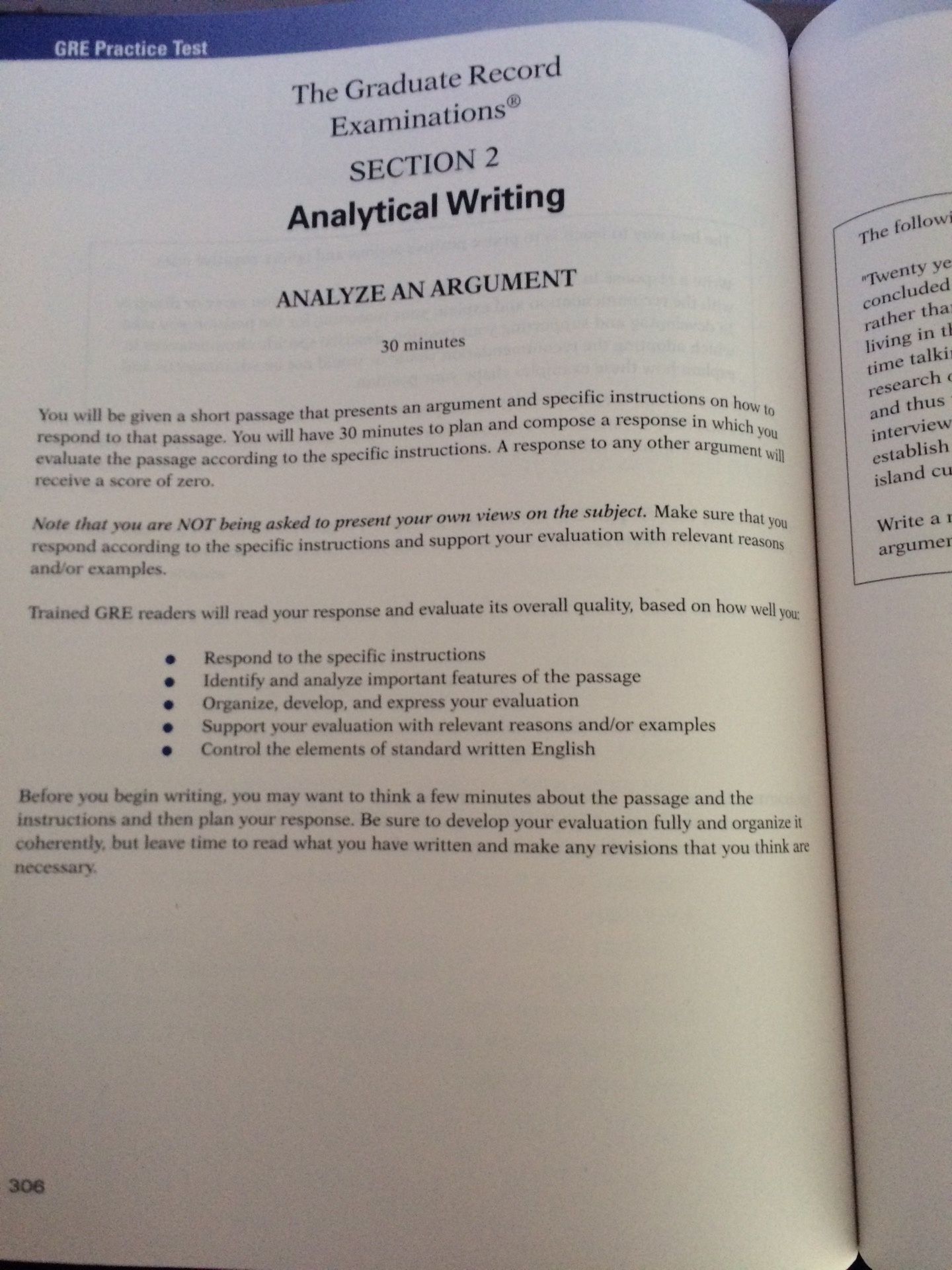
When preparing for standardized tests such as TOEFL and IELTS, official guides are irreplaceable and authoritative. For example, the "TOEFL Official Guide" released by ETS will accurately provide the scoring standards for each question type, and will also display sample essays of real candidates with different score ranges. If you blindly recite the template or use non-official materials, you will most likely deviate from the scoring requirements.
The key point of preparing for the exam is to carry out deliberate practice in accordance with the official requirements. Take the writing part as an example. Candidates need to carefully and carefully analyze the full-scoring sample essays or high-scoring answers given by the official, sort out many specific relevant requirements in terms of argument development, structural logic, and language use, and then carry out targeted imitation writing and revision adjustments. This is by no means a single-minded pursuit of gorgeous vocabulary. This is the case.
Academic Writing Challenges
There are very obvious differences in the standards in different disciplines. There is no universal guide for academic writing. Papers in the natural sciences will emphasize objective data and experimental processes, while the humanities will pay more attention to theoretical frameworks and close reading of texts. The "Practical Guide to Academic Writing" series published by Cambridge University Press is divided into volumes according to disciplines, which illustrates such a difference.
When students begin to contact academic writing, they must first follow the specific format requirements unique to this discipline, such as citation formats such as APA and MLA. Secondly, reading a large number of top journal articles in the field is a must. The purpose is to learn the argumentation paradigm, terminology usage and writing style in the field, which is something that general writing books cannot provide.
Basic writing principles
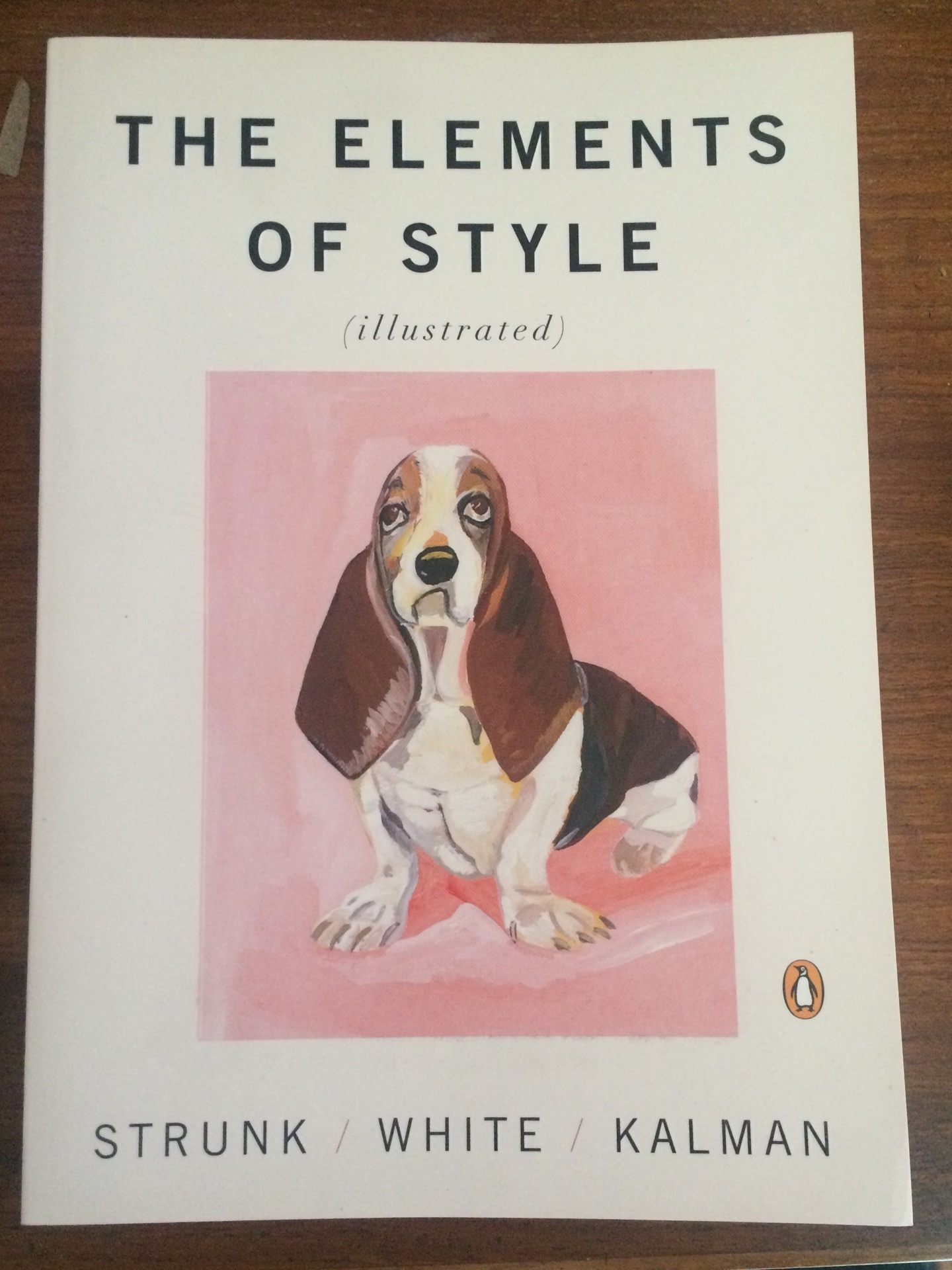
Since the first edition was published in 1918, "The Elements of Style", a seminal booklet, has emphasized the principles of clear, concise, and accurate writing, with very specific rules such as "use the active voice" and "delete unnecessary words." These principles are particularly helpful for non-native writers to break the habit of clumping long clauses.
For Chinese students, the book contains advice on "avoiding the abuse of modifiers" and "using more concrete nouns and active verbs". These are of practical significance. It helps writers shift their attention from creating complex sentence structures to more essential thinking, that is, how to express the point of view more directly and more powerfully.
Improvement in word choice and expression
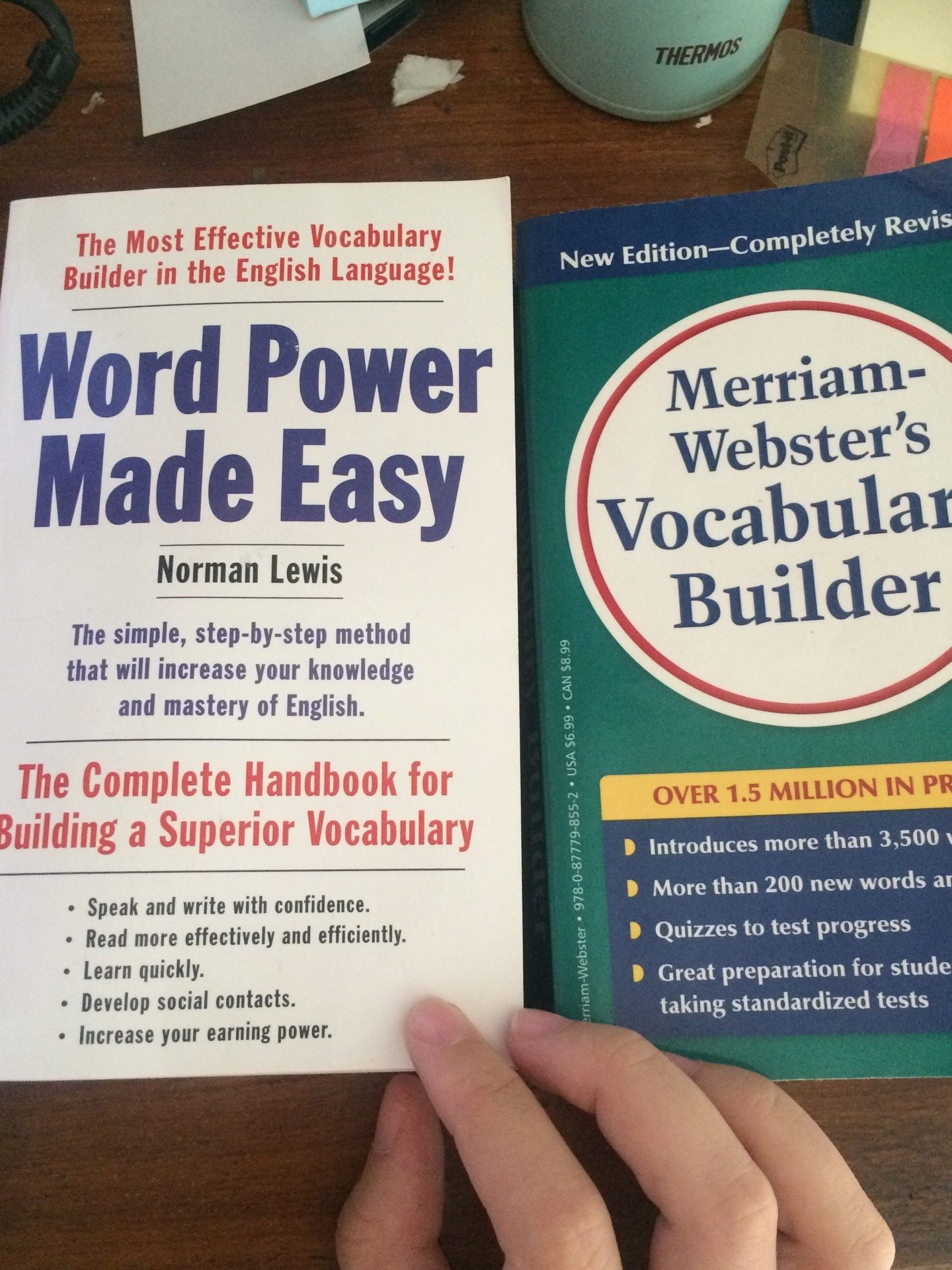
To expand your vocabulary, you need to resort to scientific methods. "Word Power Made Easy" written by Norman Lewis uses the theme-root associative memory method to learn word groups in context. Compared with memorizing words in isolation, the effect is more significant and effective. Webster's vocabulary building series focuses particularly on Greek and Latin roots, which can be helpful in understanding the formation of long and difficult words.
To use words accurately in writing, a synonym dictionary is indispensable for assistance. For example, to express the meaning of "important", in addition to "important", you may also need to use "crucial", "vital" or "paramount" depending on the context. Such reference books can help writers distinguish subtle differences between synonyms and prevent duplication or inappropriate use of words.
The path to lasting improvement
Continuous reading and writing practice are the fundamental ways to improve writing. Reading excellent works, such as George Orwell's essays or Hemingway's novels, can deeply and intuitively feel the concise and powerful writing style, take reading notes, and analyze the author's syntax, paragraph cohesion, and way of advancing ideas. This is a very effective learning method.
There is no shortcut to improving writing skills. The key is to continue to pick up a pen and write. You can prepare a notebook and regularly carry out free writing or copying exercises. You do not have to require every article to be a masterpiece. The key is to develop the habit of expression. Remember, almost all excellent works come from continuous revision and improvement.
In the process of improving your English writing, what methods have you encountered that seemed to be effective, but in the end you found that they were wrong? Please share your experiences in the comment area.