The smart glasses concept demonstrated at the developer conference held in May still leaves a deep impression on people today. It deeply integrates AI into life scenes, presenting a future where there is no need to lower your head to look at your mobile phone. This is not just an innovation in hardware, but also a rethinking of the definition of "intelligence".

The evolution from intelligence to intelligence
The word "intelligence" has been widely used nowadays, but the real intelligent experience is not just to respond passively, but to actively understand and integrate into the situation. The person in charge of the ecosystem did not rush to show off the device at the press conference, but first explained the transformation of such a core vision, which is to evolve from a "smart" tool that can execute commands to a "smart" partner with situational awareness.
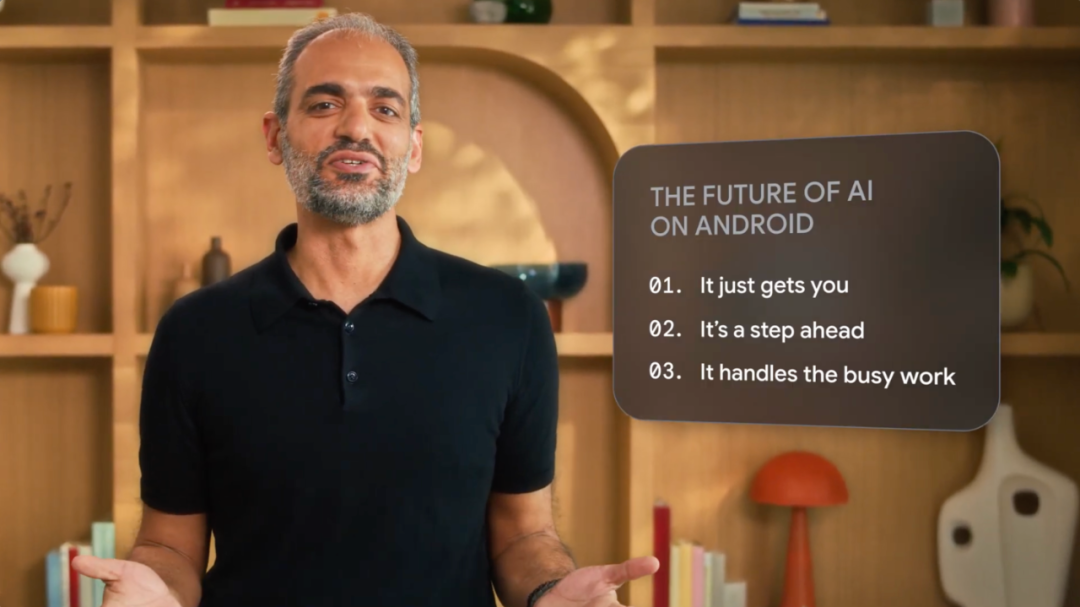
This transformation is built on the vigorous development of existing platforms. Take the mobile operating system as an example. Its latest design language gives users a space for personalization that they have never had before. Such a comprehensive evolution from the bottom to the experience paves the way for the intelligence of new devices such as XR, making it not appear without reason, but a natural extension of the ecological development.
Built on a mature ecosystem
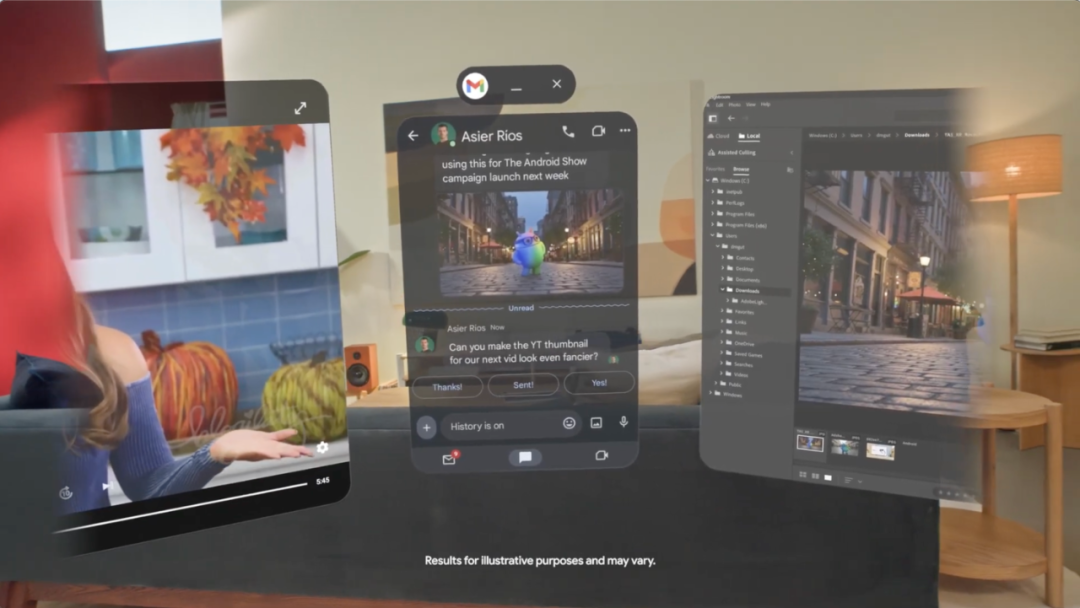
In order to achieve a seamless experience, a key cornerstone of its XR strategy is to fully inherit the existing mature mobile ecosystem. This shows that users do not need to worry about a shortage of applications. The thousands of applications they use daily in the app store will naturally appear on future XR devices, covering social, office and even entertainment fields, so that the experience can continue.
This kind of inheritance significantly reduces the threshold faced by users and developers. For users, the learning cost is almost zero. For developers, their accumulated technical assets and user base can be continued. This avoids the "ecological desert" stage that usually occurs in new platforms, and is the key to whether XR can be rapidly popularized.
Spectral concept of equipment
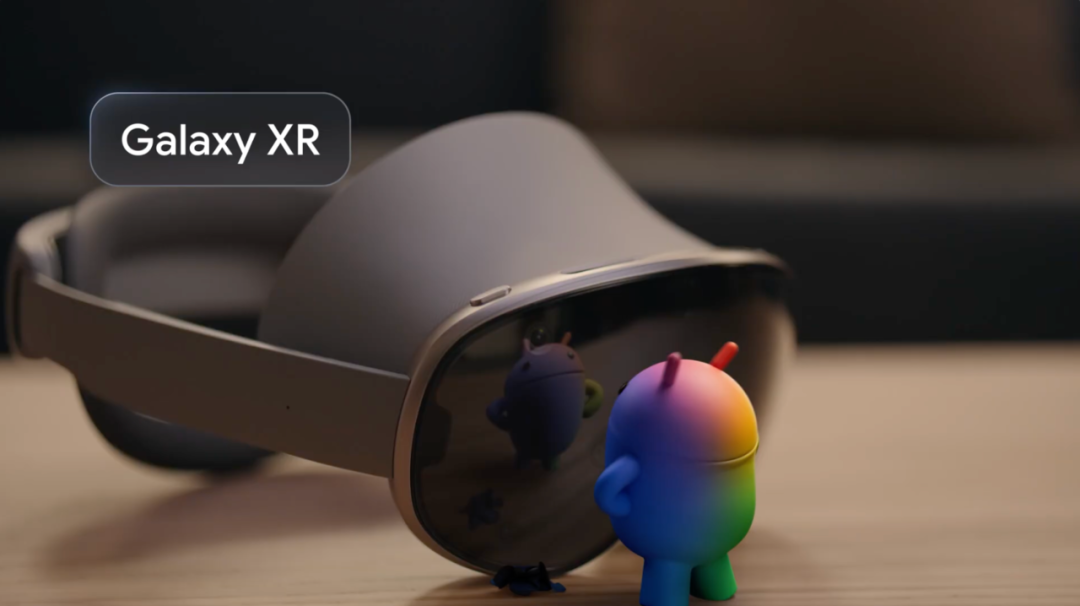
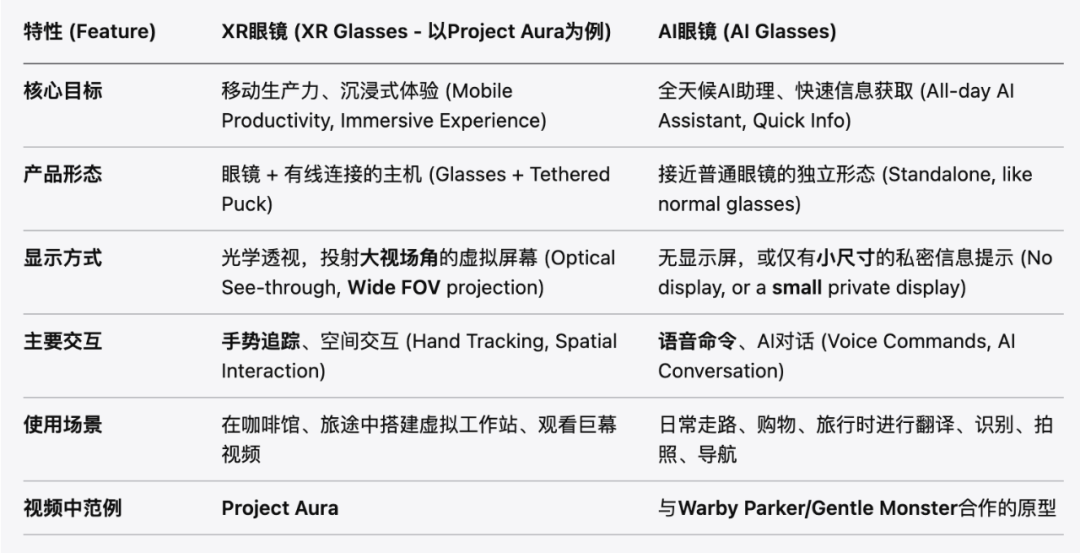
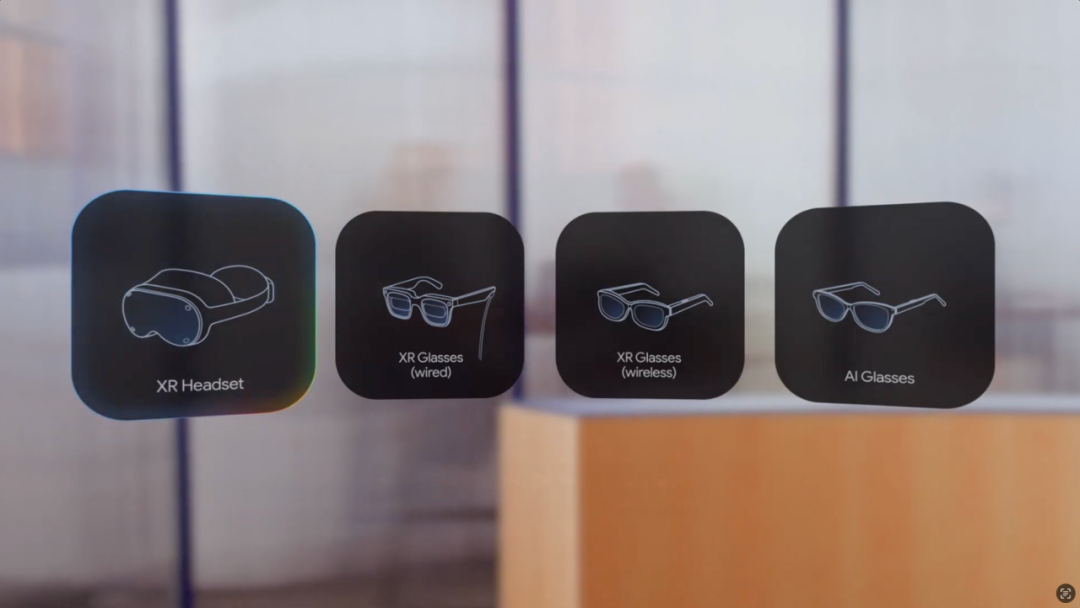
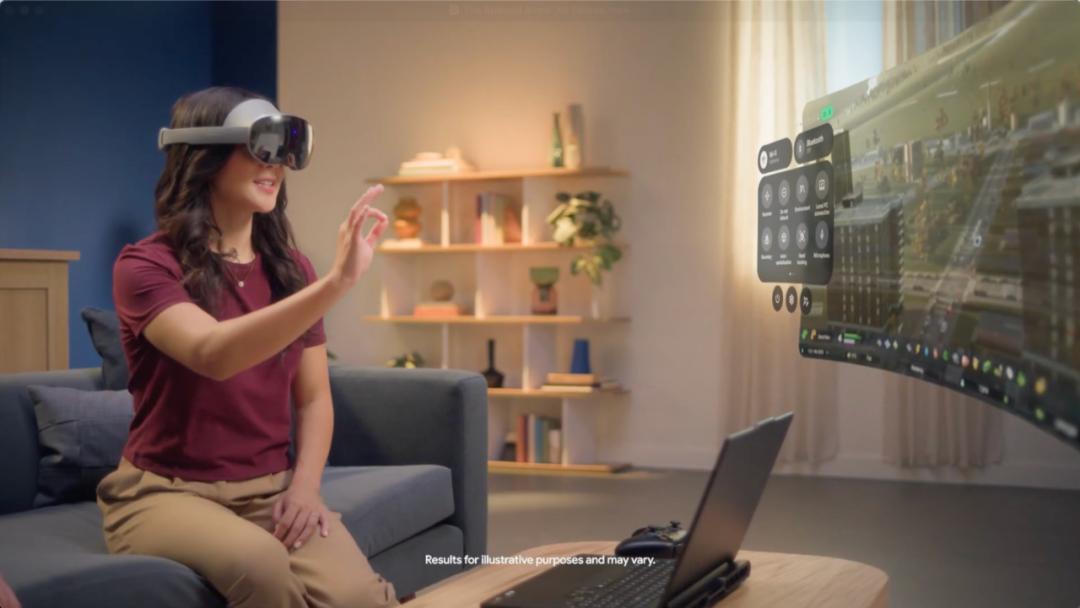
The official proposed the concept of "spectrum of equipment" in order to clarify complex hardware forms. What it emphasizes is that XR is not a specific thing called a head display or glasses, but a continuous lineage. This continuous lineage covers various forms from lightweight smart glasses to full-featured immersive headsets.
The core purpose of this kind of genealogical thinking is to meet the needs of different scenarios. For example, smart glasses worn all day long are responsible for information prompts and light interactions. However, in entertainment or design situations that require deep immersion, more powerful headsets take over. Different devices work together under the same framework to jointly form a new paradigm of personal computing.
Core value for all-weather wear
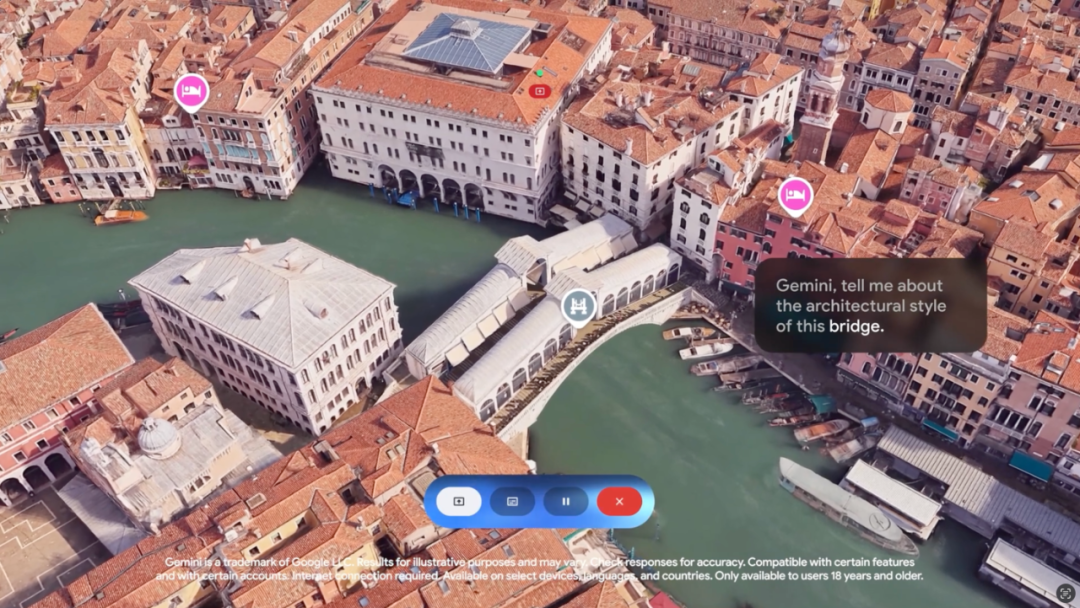
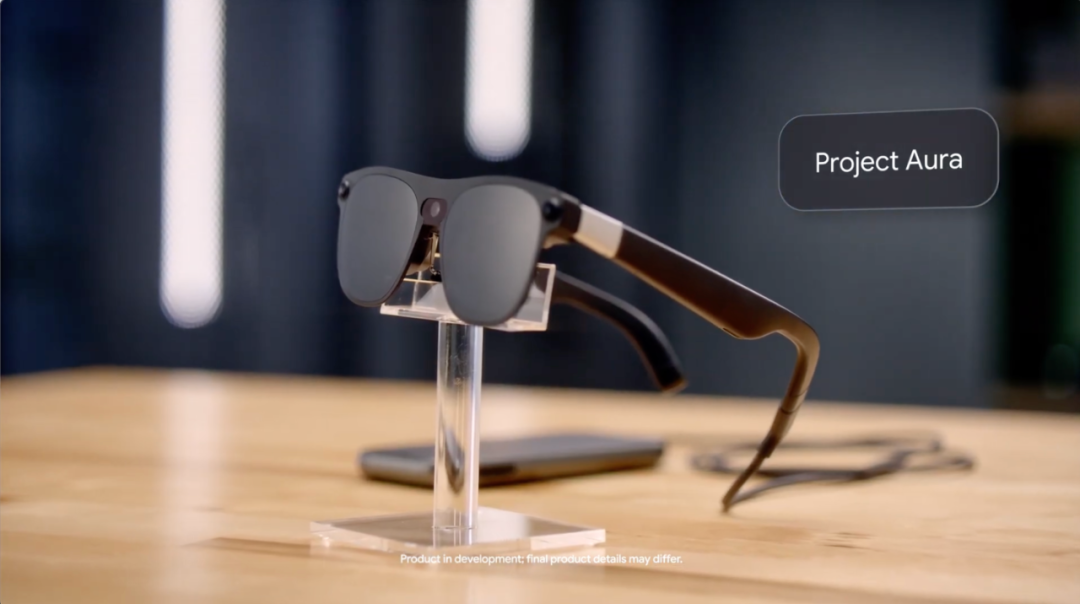
The ultimate goal of devices such as smart glasses is to pursue comfortable all-weather wear. Its core value is to allow users to raise their heads, free their hands, and obtain information and AI assistance anytime and anywhere in the real world. It is different from mobile phones, which require you to lower your head to operate, but information and services will naturally be presented at the edge of the field of vision.
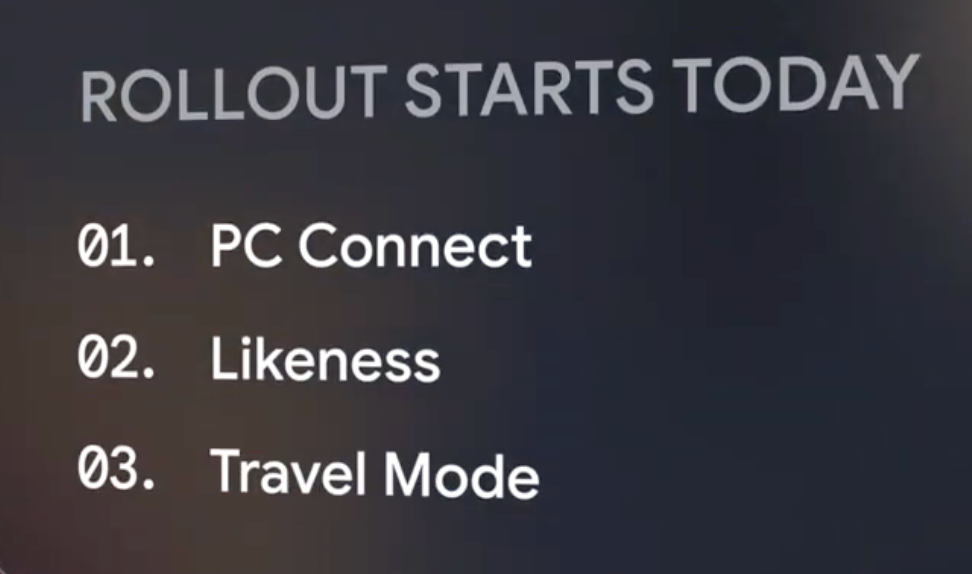
When tourists arrive in a strange city, they only need to look at a historical building and ask about it. With the help of the augmented reality interface, the glasses can overlay the building introduction in their field of vision and even call up relevant historical images. For example, this kind of immediate and contextual access to information will completely change the way we interact with the digital world.
Low-threshold development migration
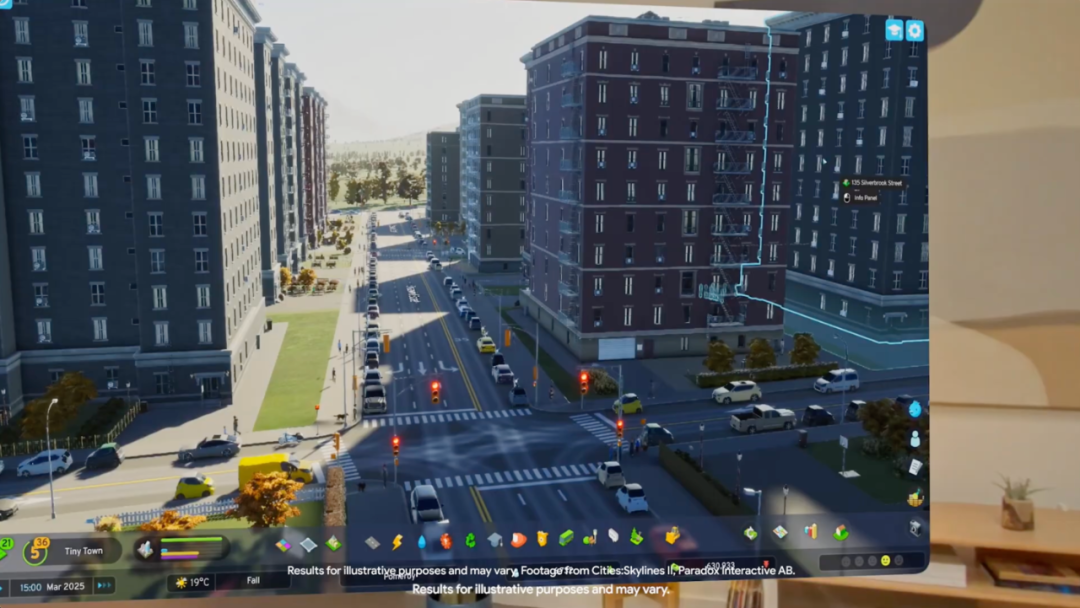
Driven by the prosperity of the ecosystem, the official released a developer preview version of the XR software development toolkit during the same period. Its core goal is to significantly reduce the development threshold, so that existing mobile application developers can seamlessly migrate their applications to various XR devices at very low cost; on this basis, the development of new platforms can be quickly started.
One of the highlights of this toolkit is that its UI components can be automatically transformed into XR elements suitable for spatial display. This shows that developers do not need to learn a whole new interface design language from the beginning. Components such as dialog boxes and navigation bars that they are familiar with can automatically adapt to three-dimensional space, greatly accelerating the transformation process of applications from plane to space.
From concept to practicality
The key to embodying the vitality of technology is ultimately to solve practical problems. Smart glasses use micro-displays to provide navigation arrows and instant message previews, so users do not need to look at their phones when riding or walking, thus improving travel safety. This kind of design allows it to get rid of the level of showing off skills and cut into real daily scenes.
Another example is its application in the field of assisted reality. Through spatial computing and object recognition capabilities, the glasses can guide users to repair equipment or cook step-by-step. The information is directly superimposed on the actual object. These examples clearly outline the path to commercialization of technology: it must become a practical tool to improve efficiency and quality of life, not just a novelty.
After reading the ideas about smart glasses in the future, in which life scenario are you most looking forward to it being used first? Is it a navigation and travel scenario, a study and work scenario, or a leisure and entertainment scenario? Welcome to share your opinions in the comment area. If you think this article is valuable, please like it to support it.