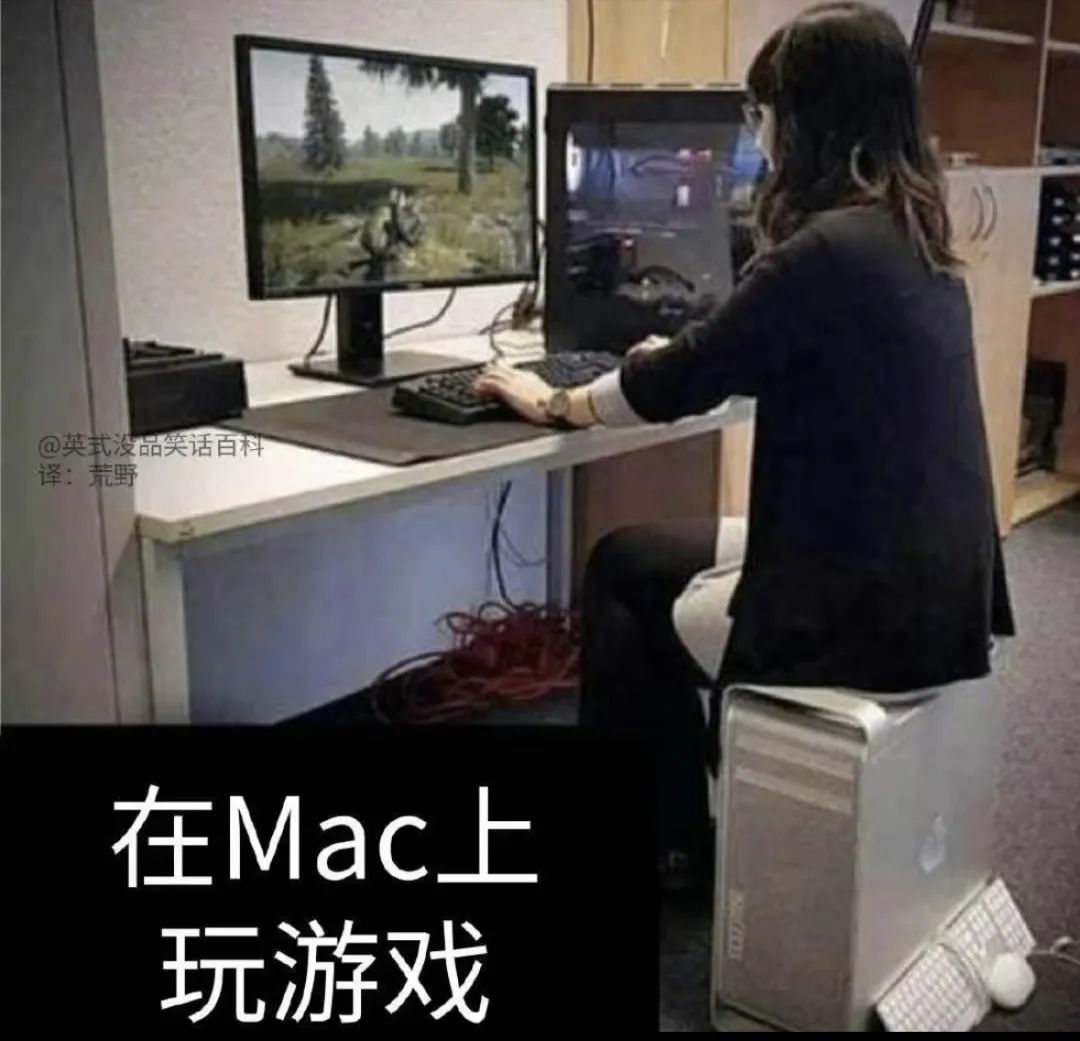
The new game porting tool launched by Apple has indeed made it possible for Mac to play PC games. However, given that it is an early beta version, it is likely to cause more trouble than surprises.

Tool positioning and current limitations
The key function of this tool is technical translation. It can convert the instructions of Windows platform games into a language that the Mac system can understand. This is not a mature product for ordinary users, but a testing bridge provided by Apple to developers to evaluate the feasibility of transplantation.
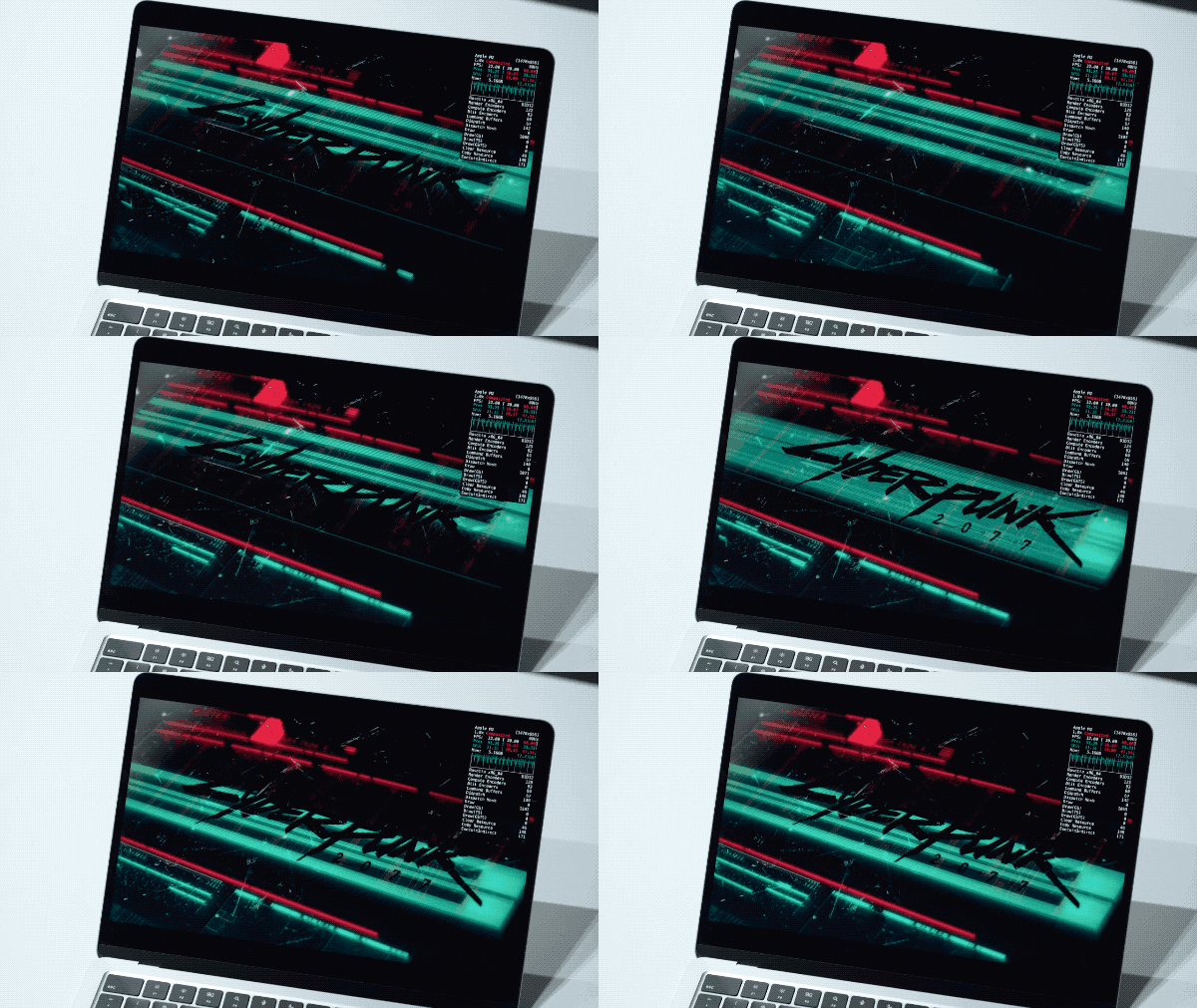
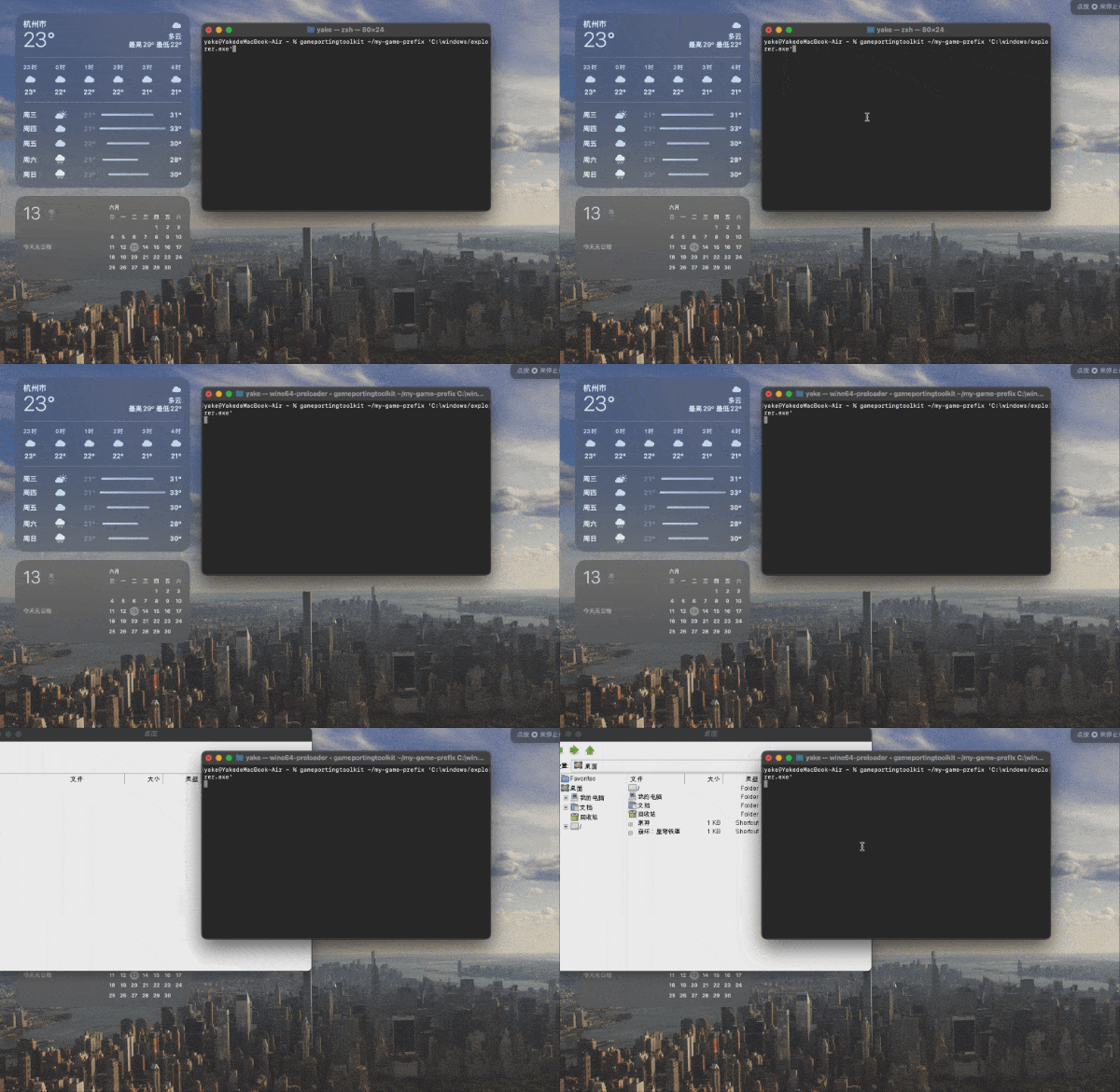
Because of this, ordinary users will definitely encounter many problems if they come into contact with it now. In addition to the somewhat complicated installation procedures, the screen may be torn during the running process of the software, the frame rate may suddenly drop sharply, or the software may exit unexpectedly. The overall experience is far from being smooth and usable.
Solving ecological historical problems
In the past, there were underlying reasons for the poor ecological status of Mac games. The root cause was that the user base of this product was relatively small and the cost of development and operation was high. After conducting comprehensive evaluations, many game companies have concluded that the actual benefits obtained from a single investment in comprehensive and meticulous transplantation for Mac are very limited, so it is difficult to generate continuous motivation to motivate them in the long run. This situation puts Mac users in a more disadvantageous situation when it comes to software selection.
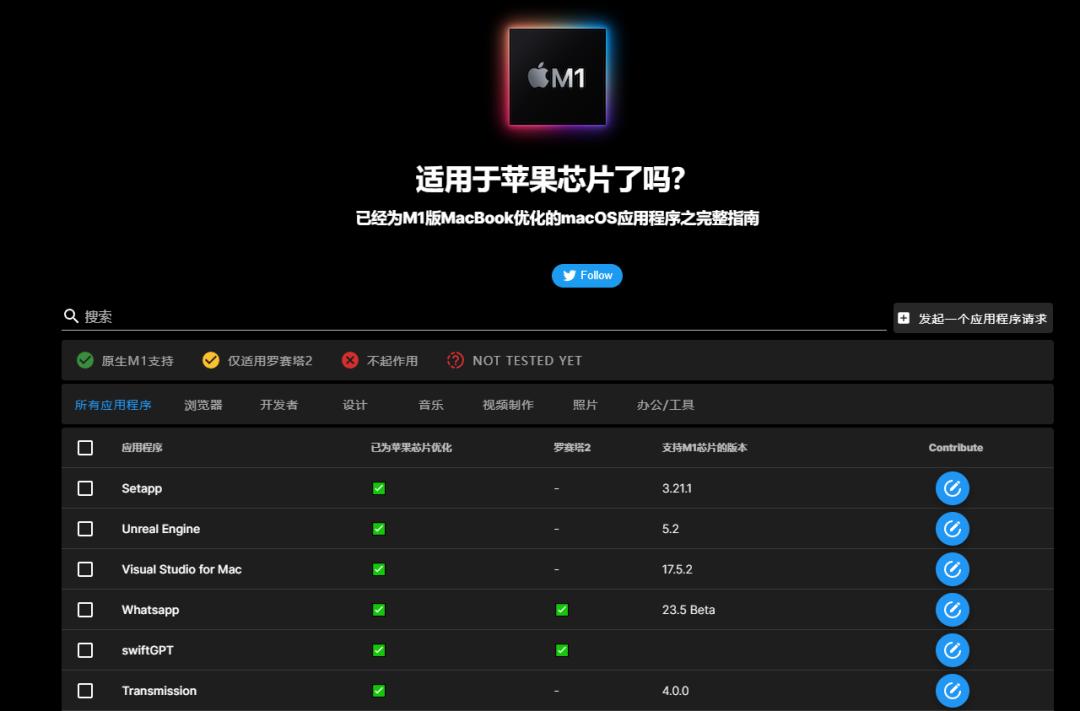
Another key obstacle is that the graphics interface is different. The DirectX API that Windows relies on is a common standard in the game industry, but Apple insists on using its own Metal. If developers want to adapt it to Mac, it is almost equivalent to rewriting the graphics code, which is an extremely heavy workload.
Apple's strategy changes
The launch of the transplantation tool this time means that Apple has taken a proactive change in its strategy. They are no longer passively waiting for developers to adapt. Instead, they personally provide technical solutions to lower the threshold for transplantation. This can help them retain users when their own chips are in the transition period, and can also buy time for ecological construction.
This action also sent a positive signal to the gaming industry. Apple showed through actual actions that they began to value the gaming field and were willing to proactively solve compatibility problems, which may change the original wait-and-see attitude of some developers.
Actual experience and performance
In early tests, the tool's performance was mixed. For some relatively optimized game scenarios, the M series chips can achieve basically playable effects. For example, when running some 3A-level large-scale work types on the M2 Max, the frame rate may remain within the upper and lower range of 30 frames.
Instead, in more cases, you will encounter compatibility issues, such as texture errors, audio out of sync, controller failure, and other situations that often occur. In addition, the tool itself takes up a relatively large amount of resources, causing the device to heat up and consume more power, making it unsuitable for long-term gaming.
Comparison with alternatives
Rather than talking about the virtual machine solution, it is better to say that this tool is more efficient. The reason is that it is closer to the bottom layer of the system and the resource loss is relatively small. Users can obtain more direct hardware performance calls and avoid the additional overhead caused by virtualization.
However, compared with cloud gaming or streaming solutions, it lacks the convenience of being able to use it right out of the box. Cloud computing games have no hardware requirements, but Apple's tool still requires users to have a high-performance Mac locally, and they have to go through complicated settings and debugging processes.
reasonable expectations for the future
We have to understand that the current goal of this tool is not to turn all Macs into game consoles. Its key value lies in collecting data, conducting compatibility tests, and helping Apple and developers improve future native adaptations. Its ultimate goal is still to promote more games to launch native Mac versions.
For ordinary users, this is not the right time to try new things. Unless you are passionate about tinkering with technical testing and are willing to tolerate a variety of unstable conditions. It is a more appropriate choice to wait patiently for the tools to mature, or to directly pay attention to those games that are already natively supported.
So, if Mac can indeed play many PC games easily and conveniently in the future, will you consider using it as your main gaming device? You are welcome to share your views in the comment area. If you find this article useful, please give it a thumbs up.