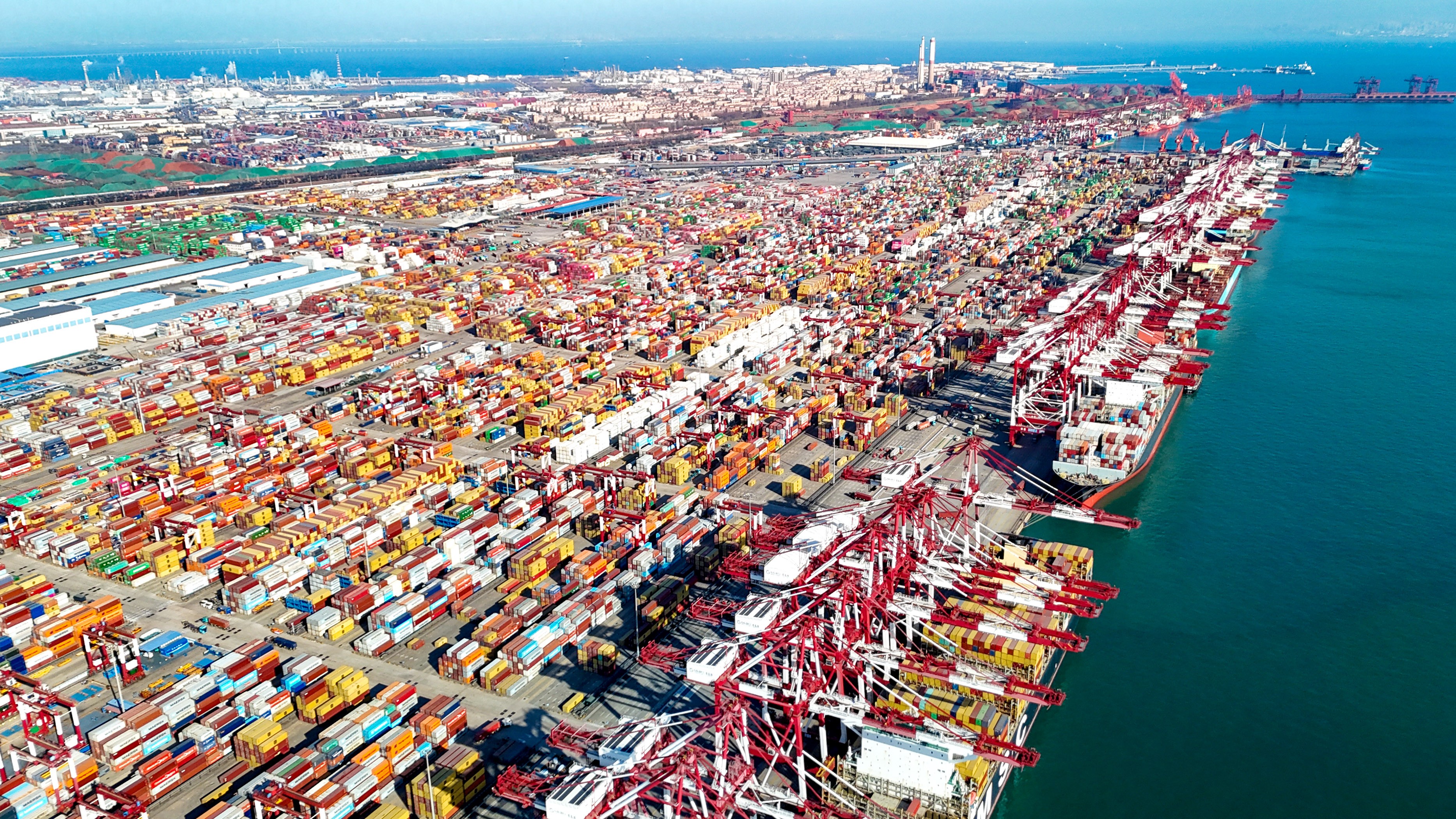

In the past year, there have been a series of solid developments from offshore oil and gas resources to humanoid robots. These developments not only demonstrate the resilience of the Chinese economy, but also reveal its clear path towards transformation towards high-quality growth.
cornerstone of energy security
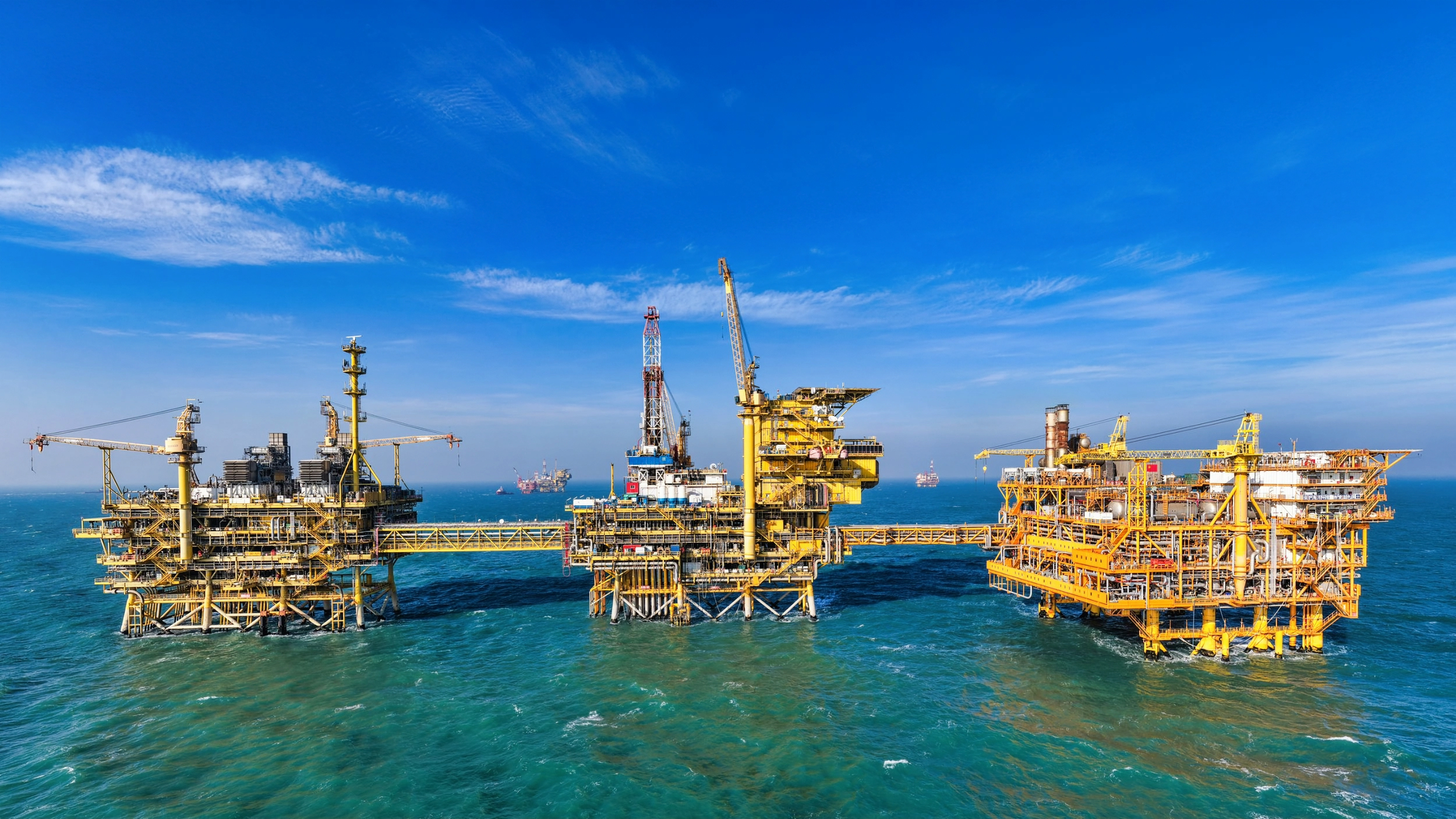
On December 21, CNOOC announced that the Bohai Oilfield's oil and gas equivalent output will exceed 40 million tons in 2025, which is the highest record in the history of the oil field. This output is equivalent to meeting the energy needs of a large city for several years. Its continuous production has a direct correlation with the power and industrial gas consumption in the eastern coastal areas.

The increase in production in the Bohai Oilfield is not a coincidence. It relies on continuous technological innovation and the improvement of deep-sea mining capabilities. Achieving stable and increased production under complex seabed geological conditions provides key support for my country's independent and controllable energy supply and effectively reduces the risk of dependence on external energy.
Efficiency of industrial clusters
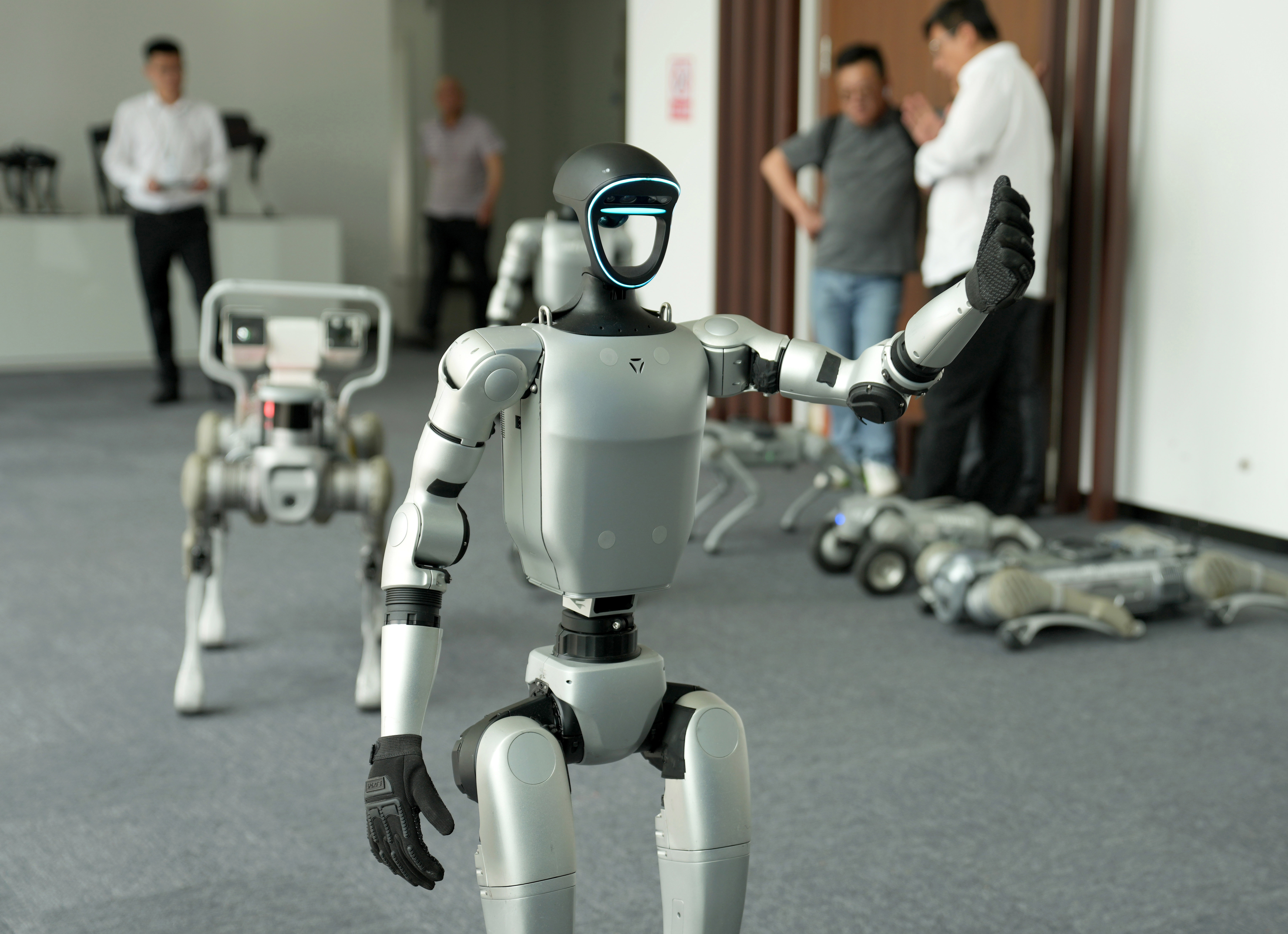
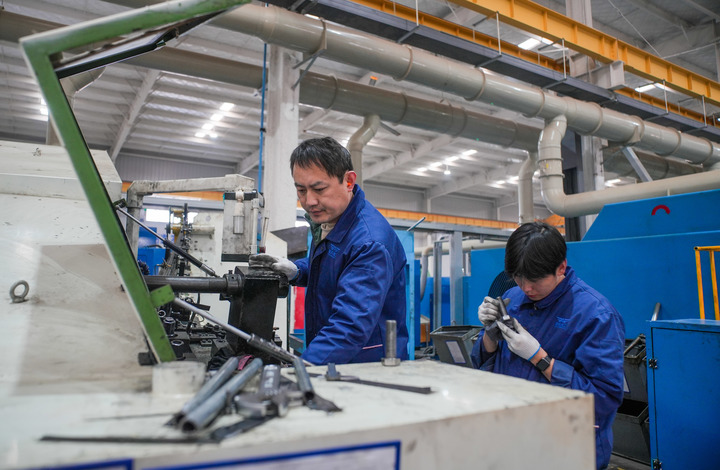
In the robot industry belt in Nanshan District, Shenzhen, Guangdong, it may only take ten days to transform an idea into a physical prototype. This is because there are more than a hundred companies and nearly ten university research institutions gathered in the area, forming a tight closed loop of industry, academia and research. The laboratory there is only one street away from the factory, which greatly shortens the cycle from research and development to trial production.
This model with efficient collaborative characteristics is a typical micro-level portrayal of the leapfrog evolution of "Made in China" in the direction of "Intelligent Manufacturing in China". It is not just limited to the gathering of geographical areas, but also the integration of knowledge, capital and markets based on rapid operation, thus giving rise to powerful industrial upgrading and innovation capabilities.
The implementation of smart technology
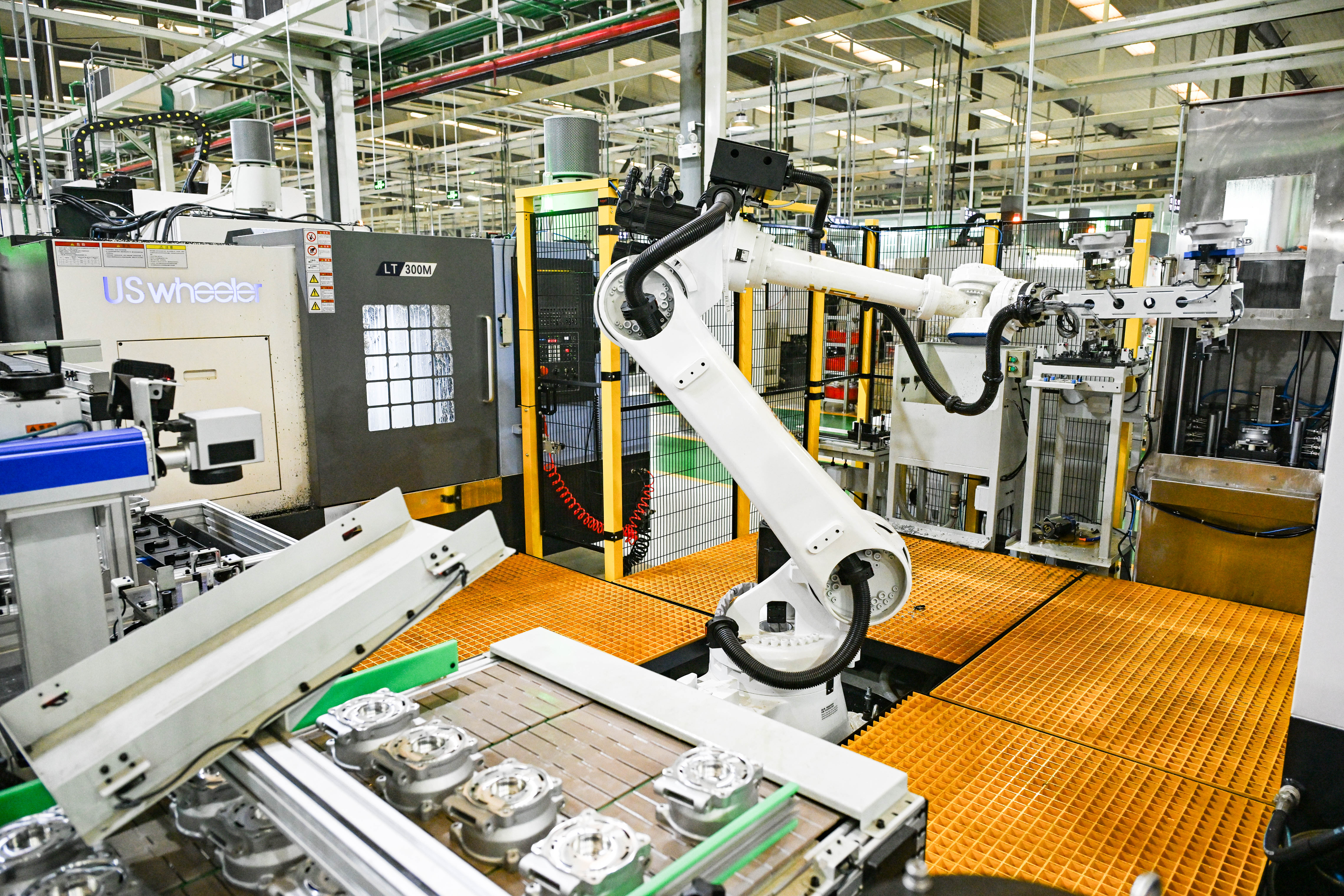
In April 2025, the humanoid robot G1 of Hangzhou Yushu Technology was able to complete such fine movements as blowing a kiss. At the beginning of the year, its concept exploded, and now, embodied intelligent robots are beginning to try to integrate into real-life scenarios such as logistics and escorting. China's intelligent technology is rapidly moving beyond the demonstration stage. Hundreds of large industry models have been integrated into thousands of industries to help improve production efficiency.
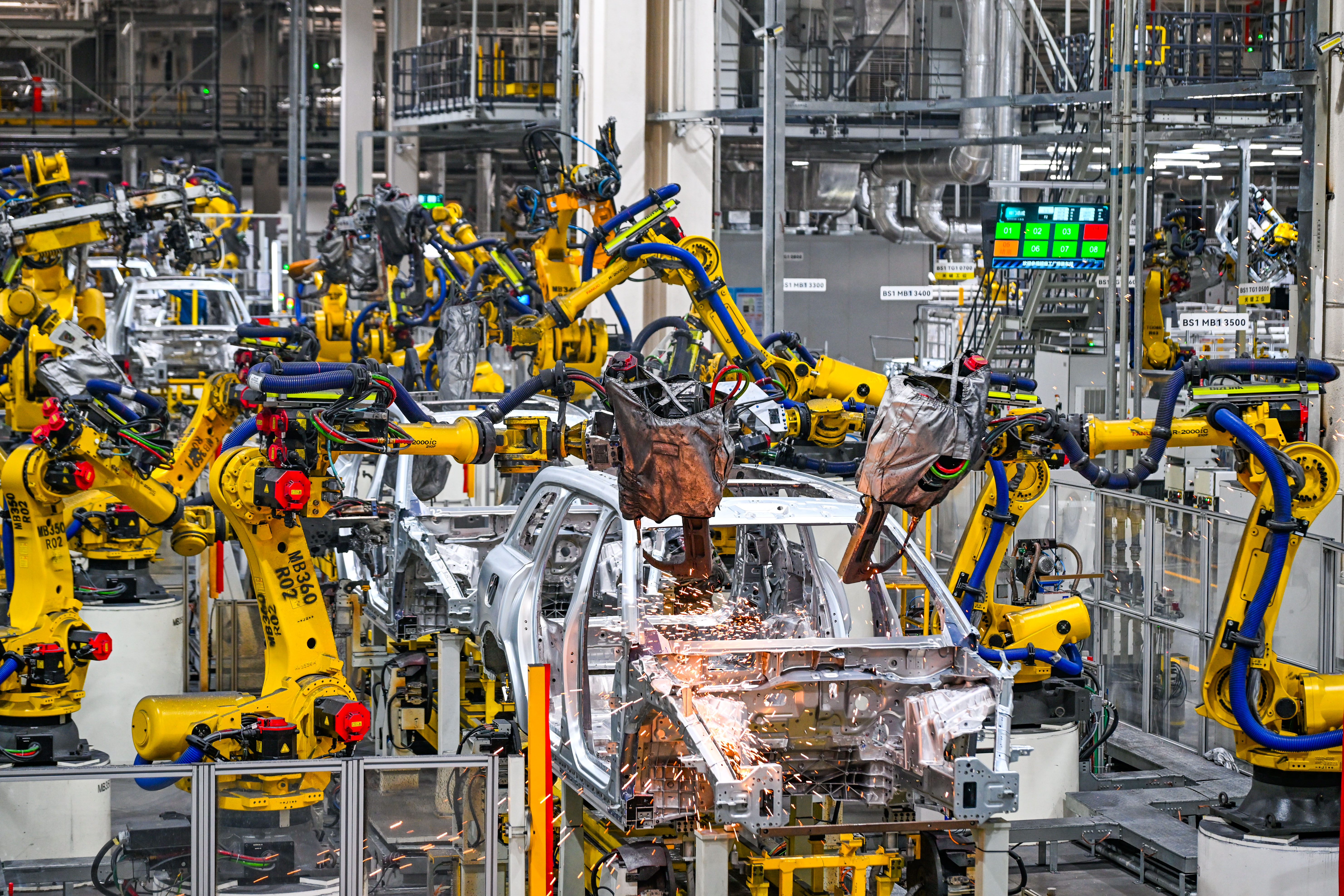
The data given by the National Bureau of Statistics confirms that the industry is developing in the direction of intelligence and is in good condition. For example, in the super factory of Chongqing Cyrus Automobile, automated production lines are applied on a large scale. This is not just the upgrading behavior of a single enterprise itself, but also a concentrated manifestation of the transformation of the entire automobile manufacturing industry in terms of intelligence.
The vitality of the private economy
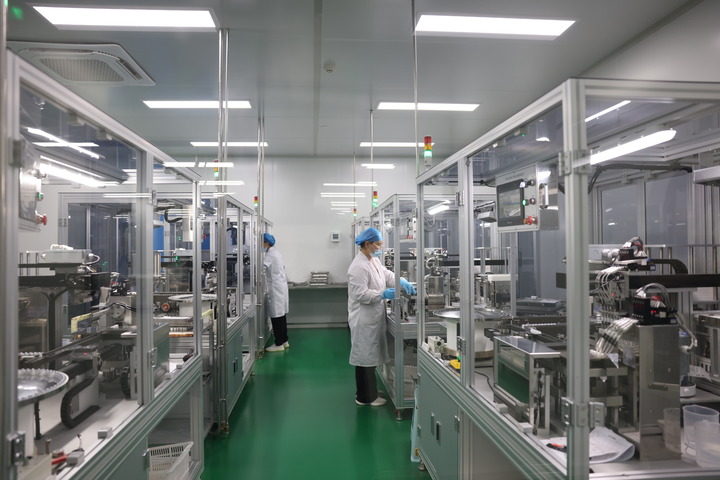
Those cases involving the strong resilience of small and medium-sized private enterprises in Xinhe County, Hebei Province include the gathering of more than 1,000 glasses case companies in the county, which employs nearly 20,000 people in the upstream and downstream, and produces about 700 million glasses cases every year. It occupies an important share in the global market segment. This model that presents the characteristics of "one county, one industry" has created costs that are not easily copied and has advantages in supply chain.
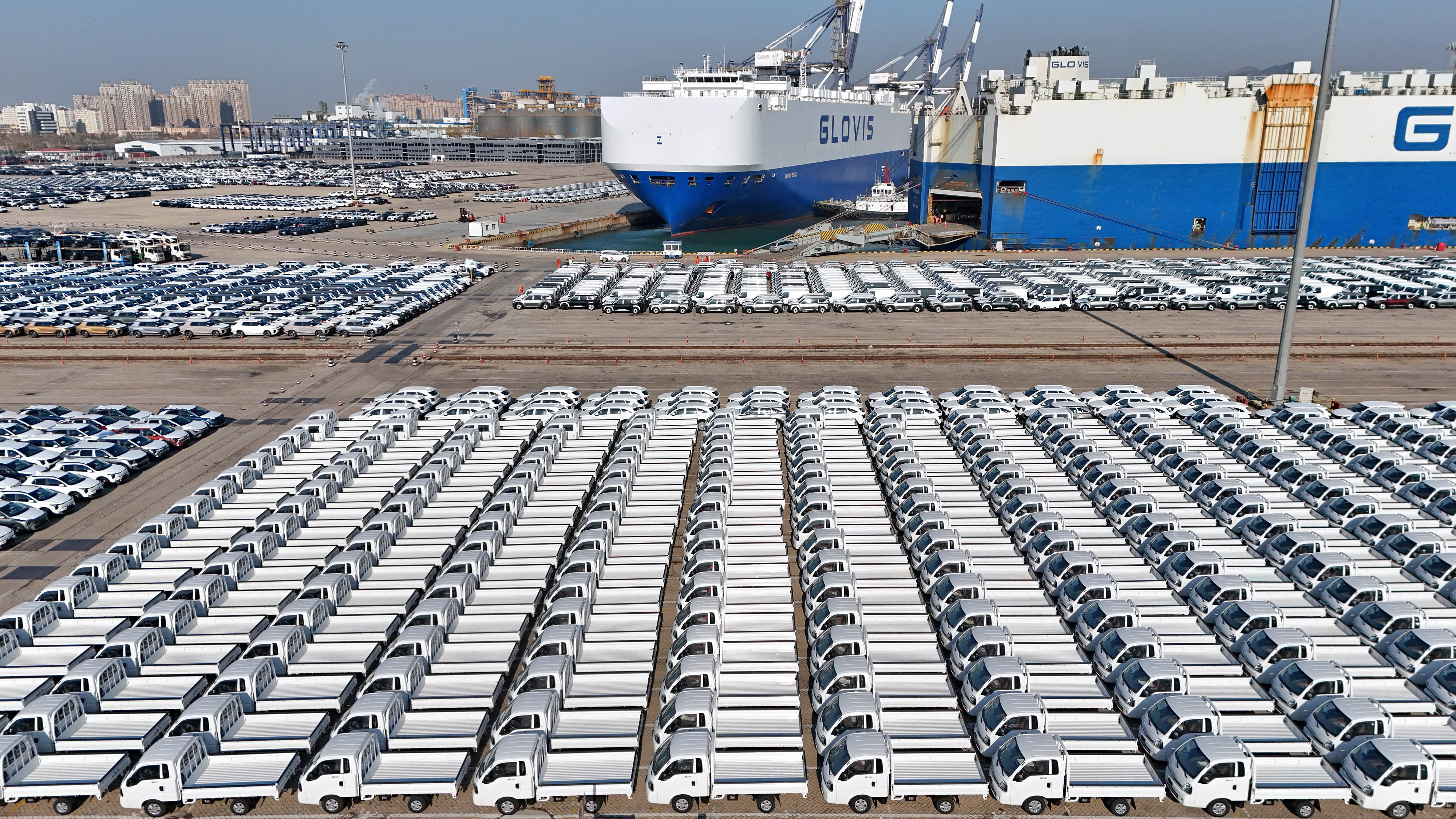
According to data from the General Administration of Customs, private enterprises have become the main driving force for foreign trade growth. Its mechanism is flexible and responsive to the market. The emerging innovative products have injected new power and energy into the optimization of foreign trade structure and become an important source of economic vitality.
Support of great power projects
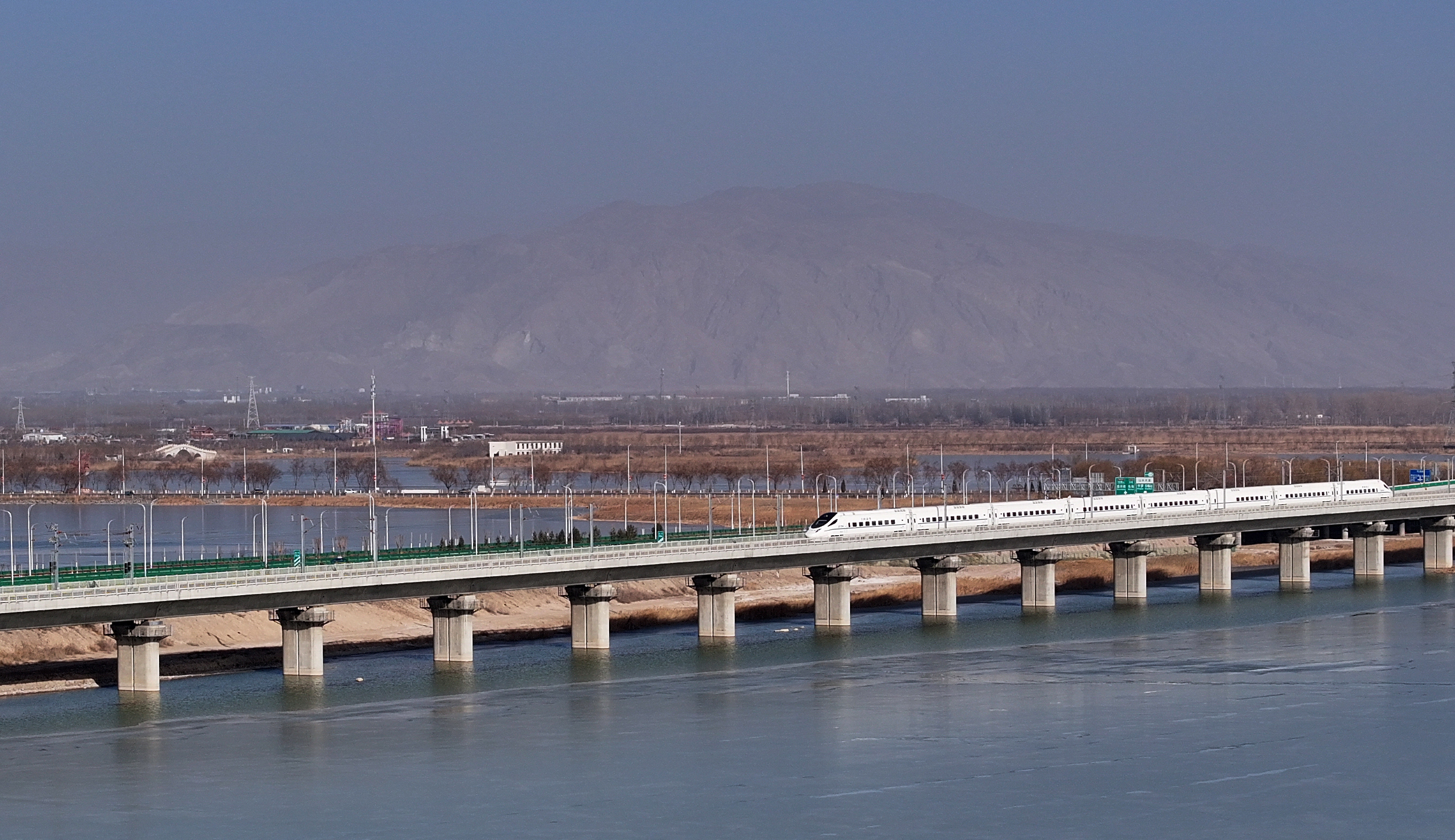
A number of major infrastructure projects are steadily advancing and will solidify the development foundation in 2025. The Qinghai Warang Pumped Storage Power Station has started construction, which will enhance the peak shaving capacity of the power grid in the future. The construction of the Baoyin High-speed Railway will completely change the passenger transportation pattern in the western region, thereby promoting regional coordinated development. Due to their large investment scale and long construction period, these projects are the key to counter-cyclical adjustment.
The completion of the Huajiang Canyon Bridge in Guizhou has achieved many breakthroughs in bridge technology. It not only brings transportation convenience, but also explores a new model of "bridge-tour integration". During the National Day last year, related revenue exceeded 100 million yuan, transforming infrastructure into a sustainable industry and tourism resource.
Improvement of people's livelihood and well-being
Improving people's livelihood is the ultimate goal of economic development. In 2025, the national finance has arranged funds, with a total amount of 120 billion yuan. These funds will be used specifically to provide childcare subsidies and gradually implement free preschool education, which directly reduces the burden on families in the process of raising children. These investments are real money and can be regarded as a substantive response to social concerns.
Located in Shanghai, old housing without sanitary facilities will be renovated in 2025 after many years, which means that the quality of life of urban residents has once again been improved. Starting from providing financial investment at the national level and handling "key issues" at the local level, the two are working together towards the goal of sharing development results with the people.
In many different dimensions, such as energy, technology, infrastructure and people's livelihood, what we see is the accumulation of specific projects and data, not empty so-called concepts without substance. These seemingly independent developments are aggregated to form a real picture of China's economy coping with challenges and opening up a new situation. In your opinion, among the above-mentioned developments, which area of change can most directly make ordinary people feel and truly improve the quality of life? Feel free to share your observations in the comment area.