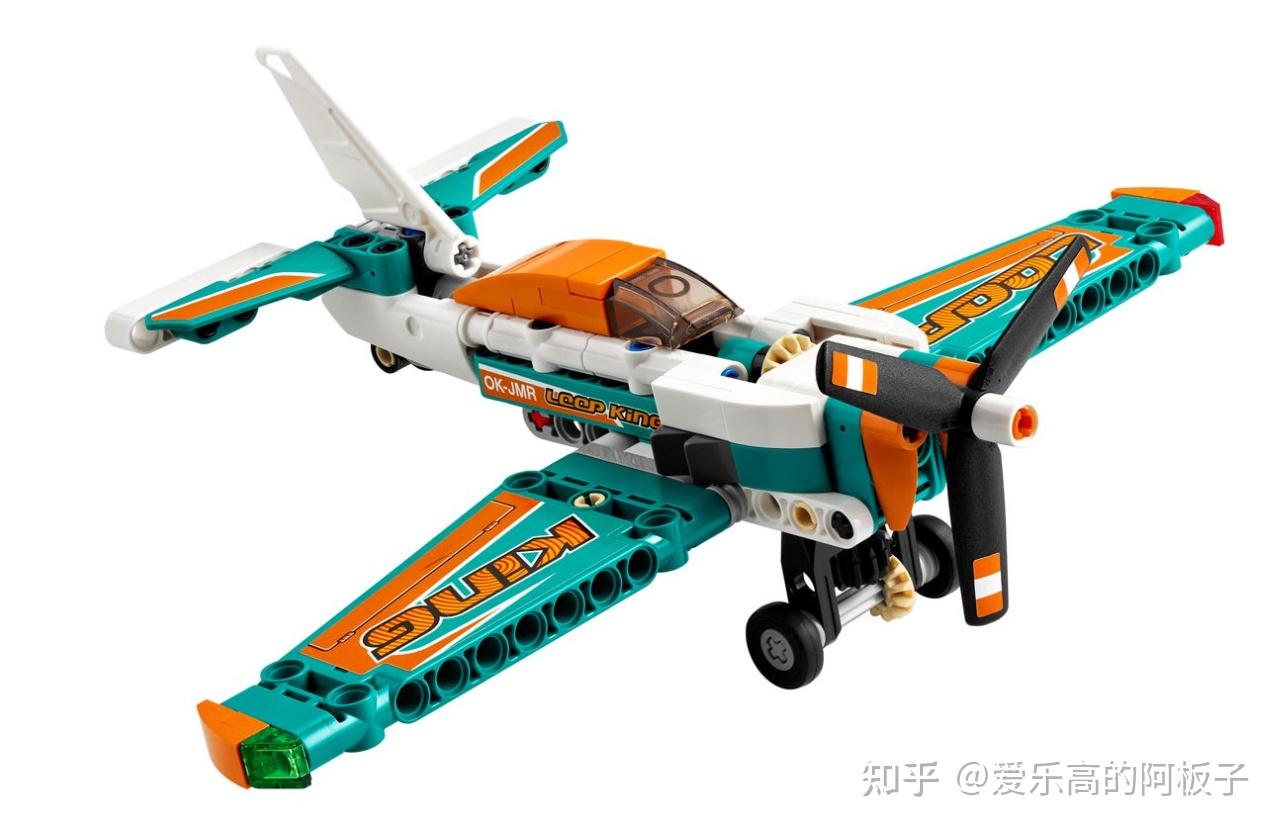

Now, if we talk about Lego, many people will think that it is a building block toy that can be played by people of all ages, but did you know? Lego was specifically designed for children from the beginning.
The origins of LEGO’s children’s design

The Lego brand, founded in Denmark in 1932, initially produced wooden toys. It was not until 1958 that the iconic plastic building block particles were officially born. From the very beginning, LEGO has adhered to the core concept of creating safe and inspiring toys for children. Founder Ole Keok has always believed that "only the best is good enough." This principle has a profound impact on LEGO's product development.
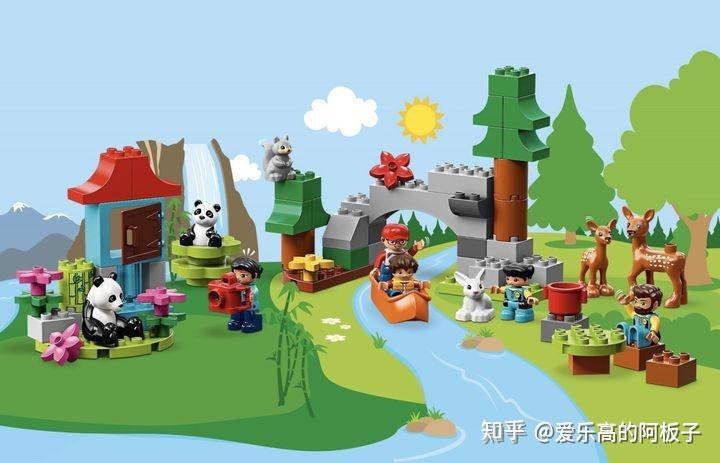
In the early days, Lego bricks focused on basic building and stimulated children's imagination through simple combinations. All building blocks are made of non-toxic ABS plastic, and the corners are rounded to effectively avoid the risk of swallowing. This dual insistence on safety and openness has laid a solid foundation for LEGO to become the world's leading toy brand in the future.
Safety standards and material innovation
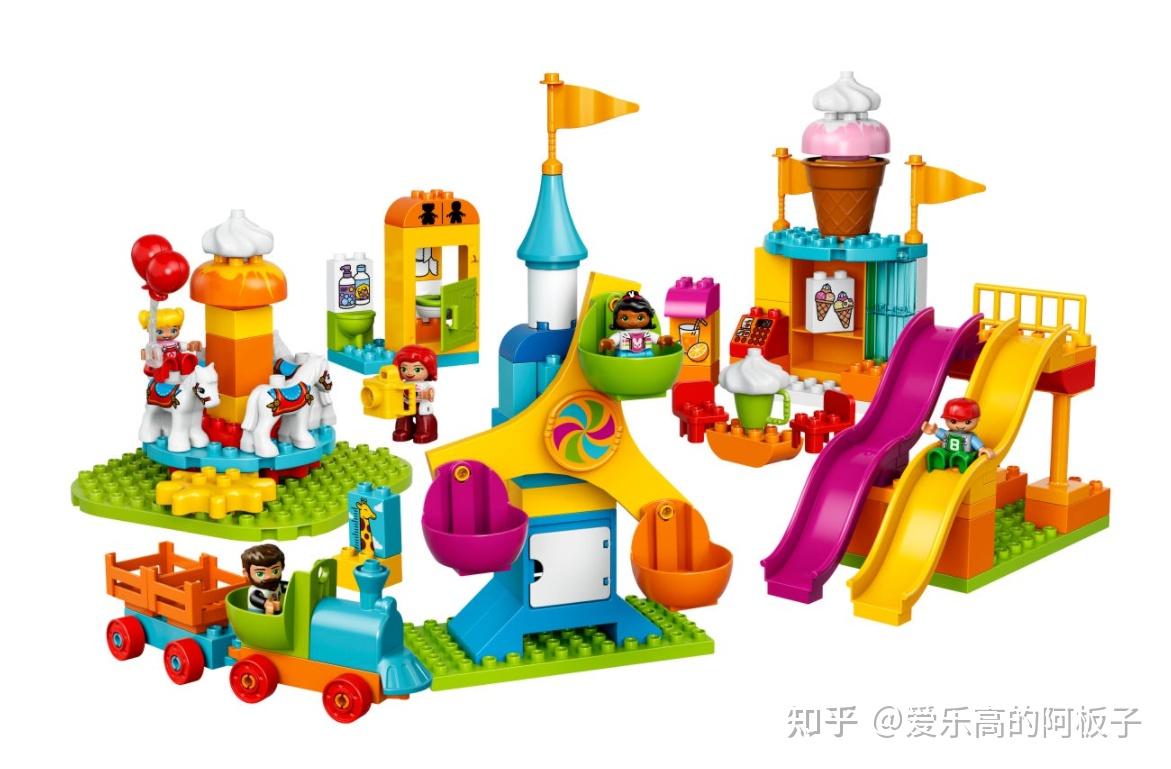
LEGO's commitment to child safety is reflected in every detail. The size of its building block particles has been accurately calculated to ensure that it does not pose a choking hazard to young children. Since the 1960s, LEGO has built rigorous laboratories to conduct tests on products such as falling, crushing and bite resistance. These standards are often more stringent than national regulations.
In terms of materials, LEGO continues to invest in research and development. In addition to using plastics that meet food contact standards, LEGO is also currently exploring plant-based polyethylene extracted from sugar cane to make some parts, with the goal of moving towards a more sustainable future. Such continuous attention to safety and environmental protection has made many parents around the world feel at ease when choosing toys.
The enlightenment value of Depot series
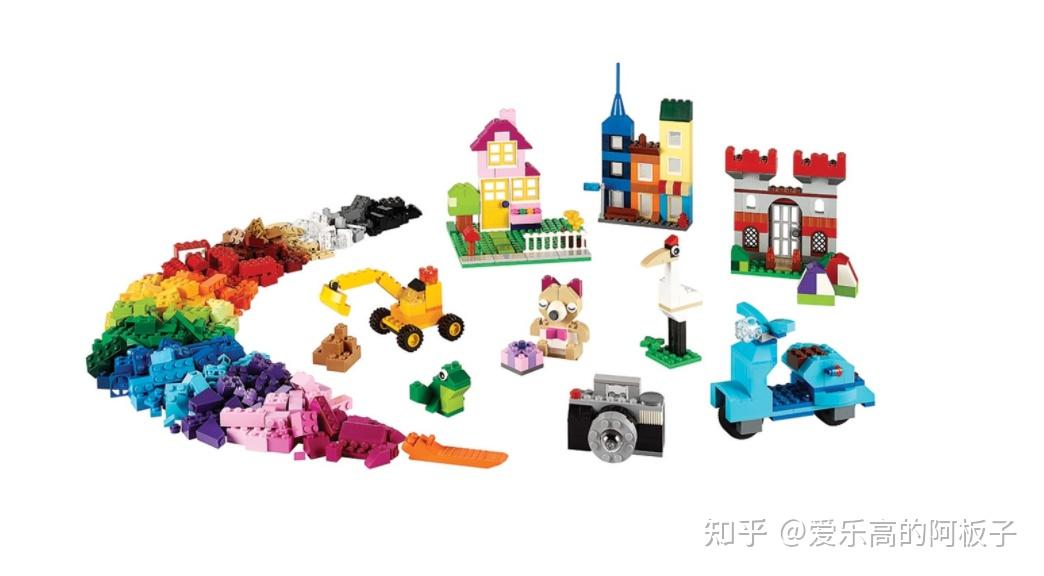
LEGO launched the DUPLO series in 1969. This series is aimed at children aged 1.5 to 5 years old. The building blocks in this series are larger and more suitable for small hands to grasp, and the building interface has been simplified. DUPLO is not only a toy, but also a key cognitive tool. It helps young children practice hand-eye coordination and spatial thinking.

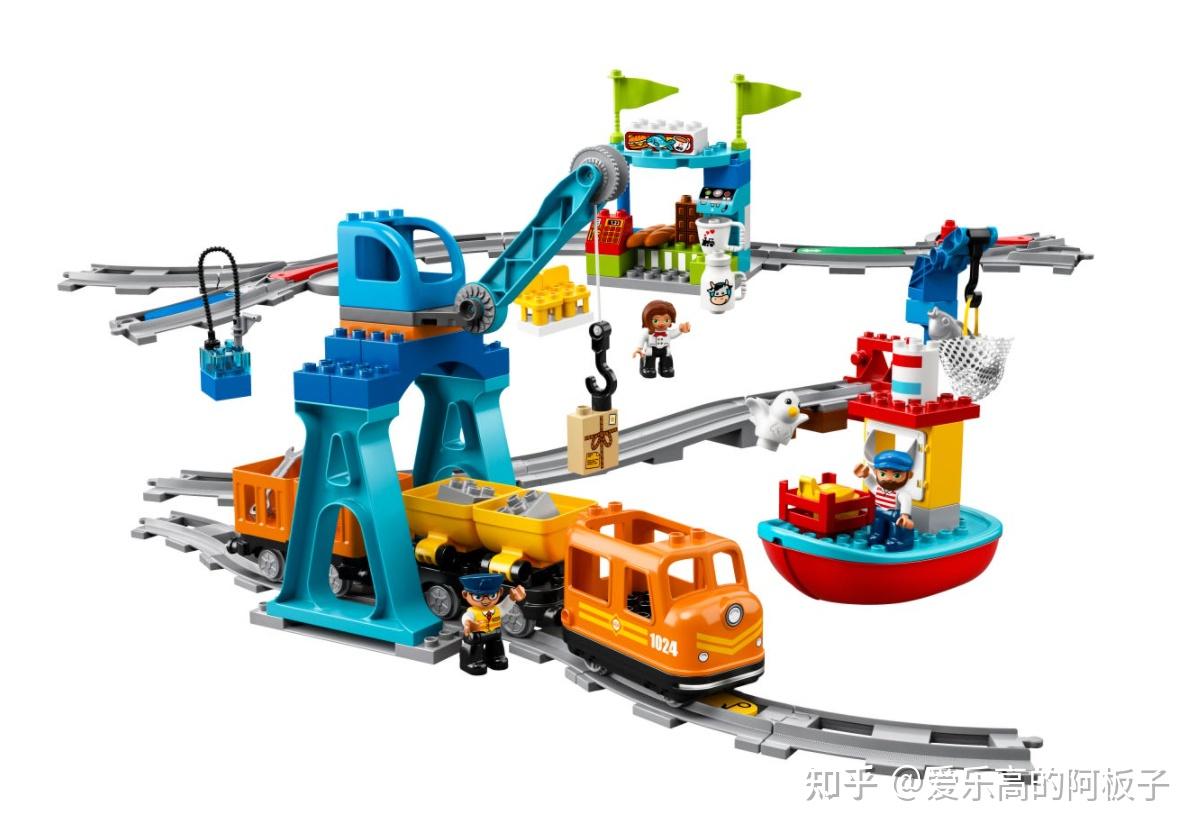
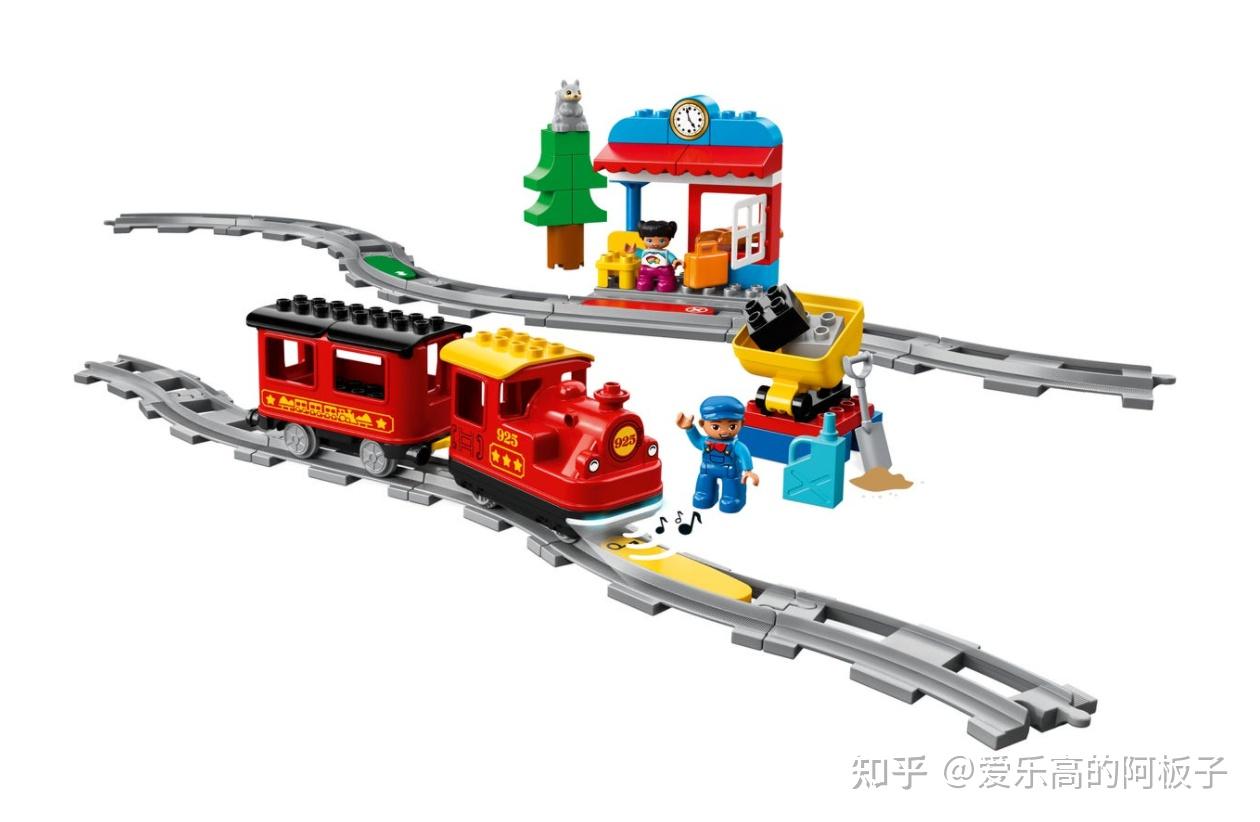
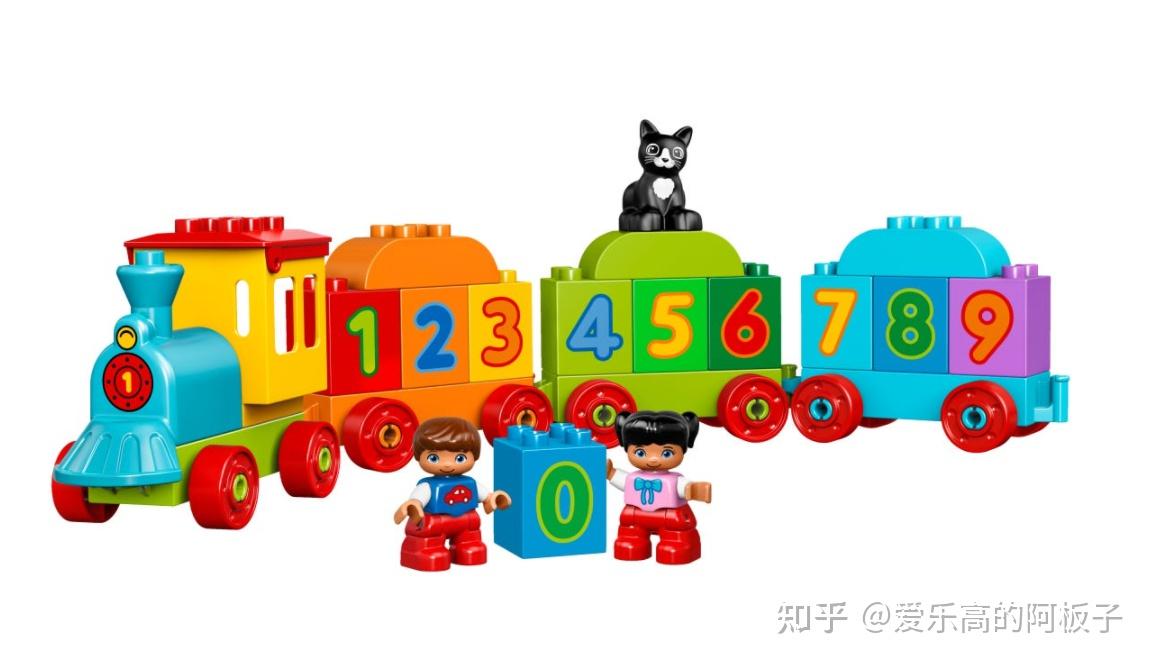
For example, Duplo sets with themes of animals from around the world or number trains integrate cognitive learning into the game. While children were piecing together models of ports, train stations or animals, they naturally learned about colors, shapes, numbers and creatures from all over the world. Such a concept of "learning through play" makes early education easy and interesting.
Classic series inspires unlimited creativity
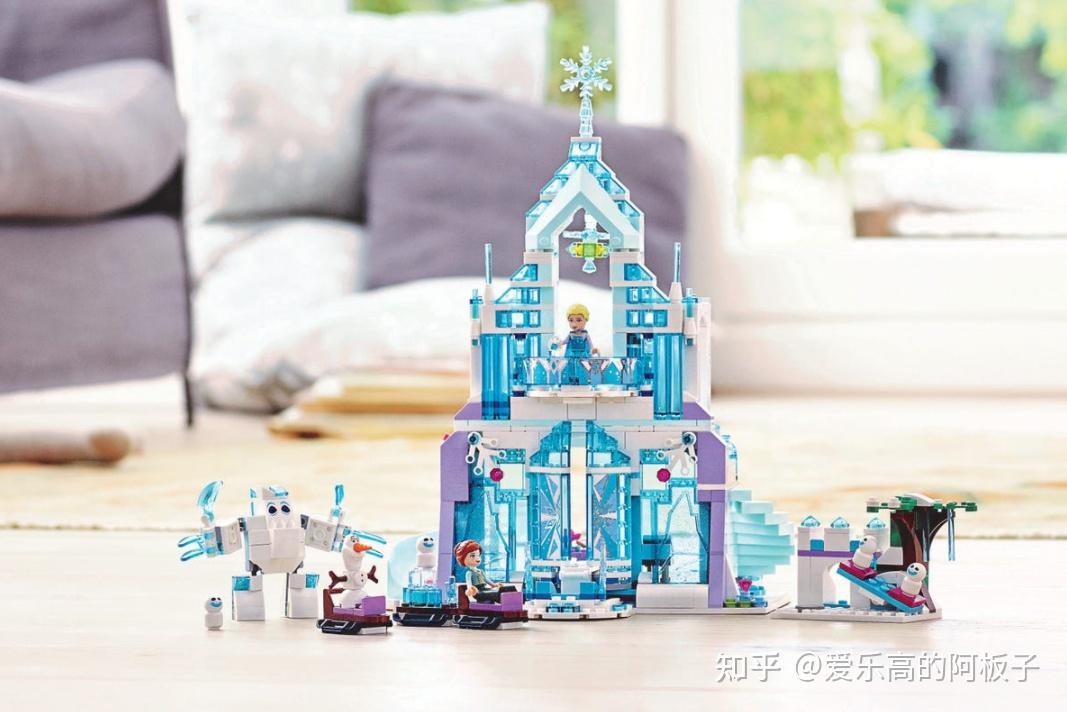
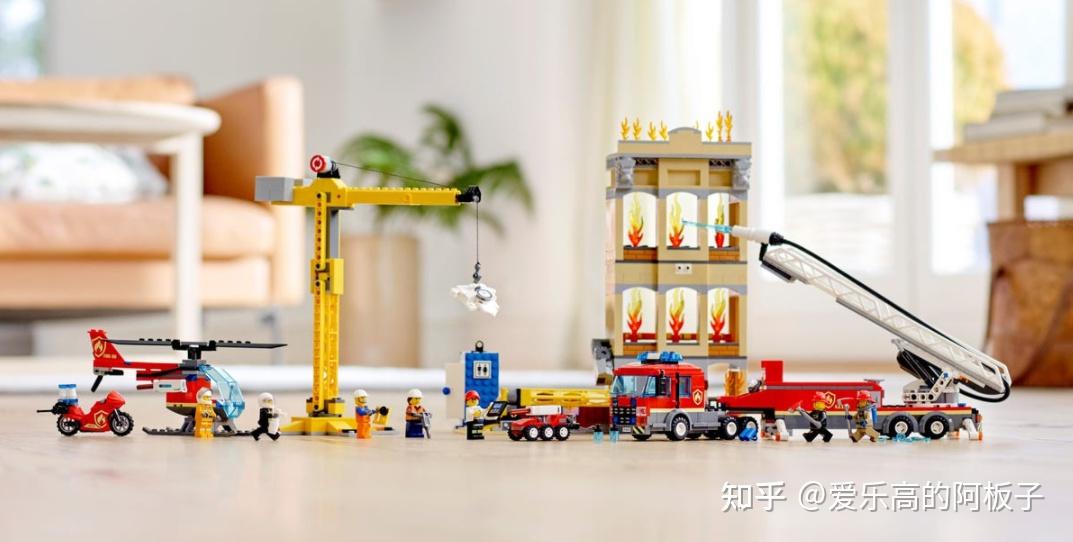
For older children, the LEGO Classic Creativity Series provides maximum creative freedom. A box contains basic particles of various colors and shapes. There are no fixed building instructions, and it is completely led by the child. This open-ended game encourages trial and error, cultivates problem-solving abilities, and perseverance.
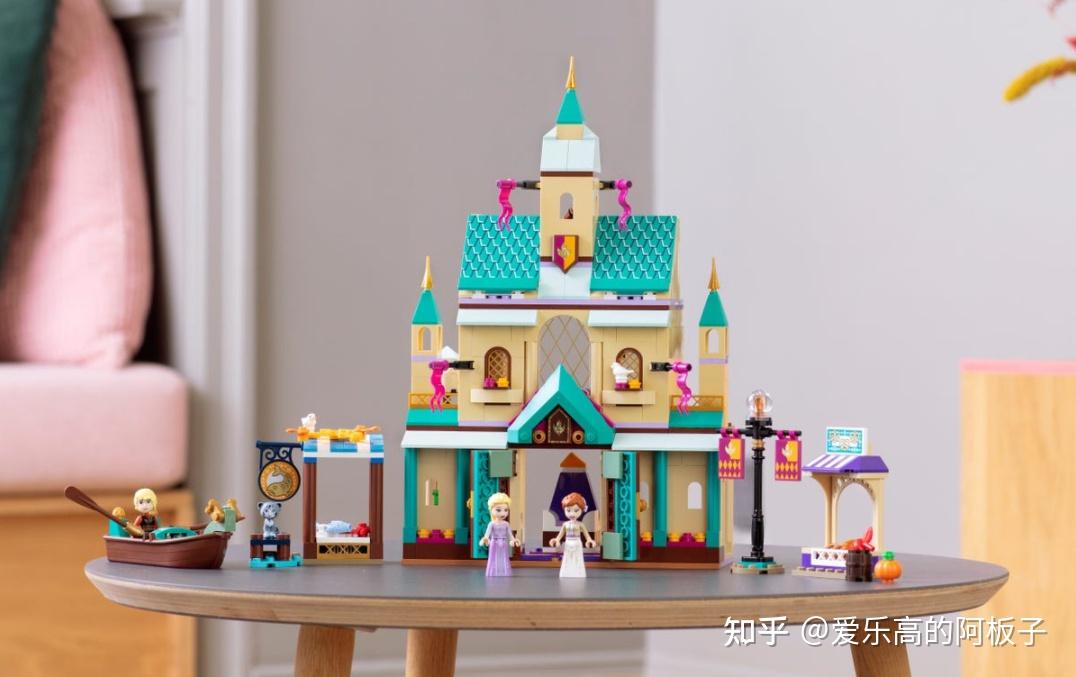
These basic parts available to children allow them to build anything they imagine, including houses, vehicles, and fantasy creatures. The addition of special parts such as doors, windows, wheels, etc. further expands the creative possibilities. This process not only releases children's artistic talents, but also exercises their respective logical planning and structural thinking.
Theme sets and narrative games
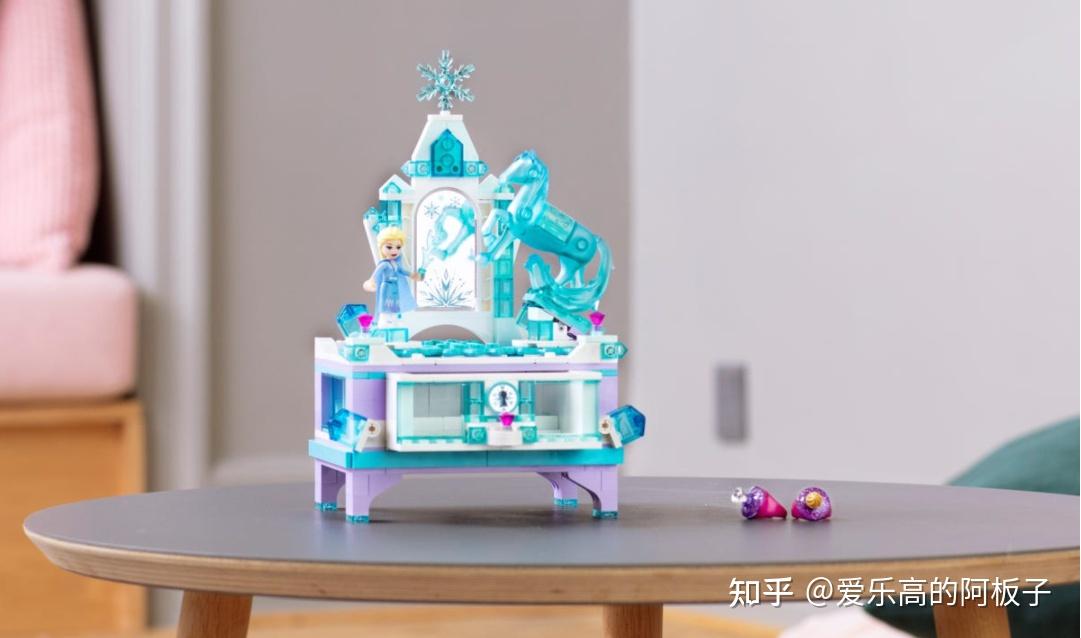
Lego's cooperation with famous IPs such as Disney and Ninjago has upgraded the building block game to the level of role-playing and storytelling. One type is like "Anna and Elsa's Home", and the other type is a suit like a ninja mecha tank, which creates a rich situation for the children. Children are not only the creators, but also the directors and protagonists.
They can control minifigures to explore the three-story castle, or command ninjas to drive chariots to perform missions. Such narrative-based games greatly facilitate language development, social-emotional learning, and the cultivation of empathy. In the process of re-interpreting classic stories or writing new plots of their own, children gain rich and profound emotional satisfaction and social practice practice.
Technology integration and future skills
As the times continue to develop, LEGO cleverly integrates building blocks with programming and robotics technology. Like the "Brainstorm Robot" and the Robot Inventor Set, while children are doing physical building, they can program the model with the help of a tablet application so that the model can move, make sounds, and even sense the environment.

There is a category of products that already introduce fundamental engineering and computer science concepts. Children? In the process of prompting the robot to complete specific tasks, it learned a series of programming logic such as sequences, loops, and conditional judgments. This is not just about playing with toys, but actually cultivating key problem-solving skills and innovative thinking for the future digital world.
In your childhood memories, what is the most impressive set of Lego? What kind of fun or inspiration did it bring to you? You are welcome to share your story in the comment area. If you like this article, please like it to support it.