Among chip design companies, core data is facing the risk of outflow. Replacing foreign communication software that may be "stuck" at any time is an imminent battle for survival.
Compliance thresholds are primary hurdle
R&D activities conducted by semiconductor companies often involve collaboration between multiple countries, and cross-border communication is very frequent. Although it is convenient to use internationally accepted software, cross-border storage and processing of data can easily touch the red lines drawn by various countries' data security regulations, and compliance audits bring great pressure. Especially when design documents are transmitted through overseas servers, companies may violate regulations without even knowing it, and then face legal proceedings and huge fines. Compliance risks have become the first sword hanging over their heads.
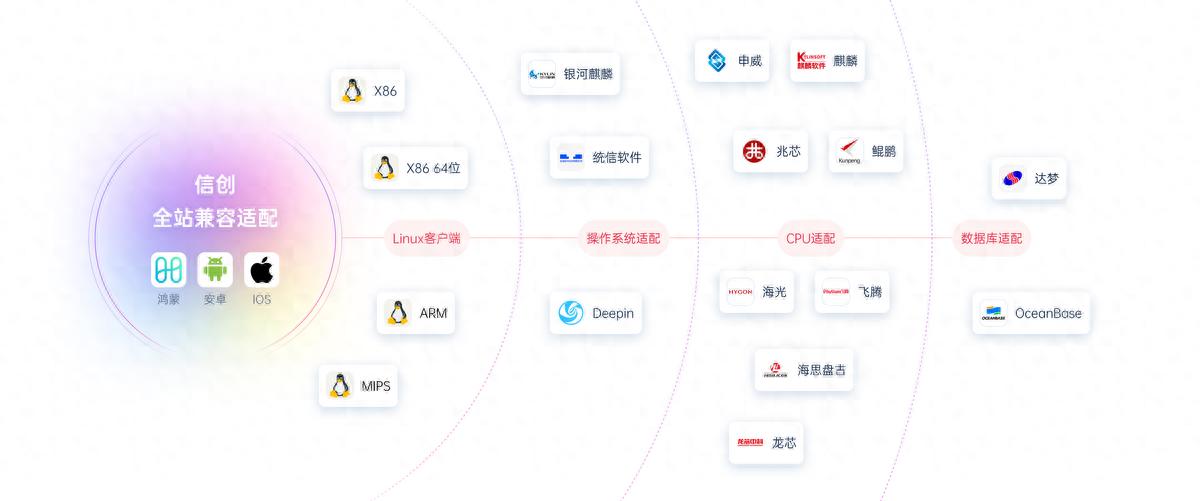
In terms of technology, Xinchuang has clear standards for acceptance, stipulating that the software must be adapted to domestic CPUs, operating systems, etc. Many foreign software lack in-depth optimization of the domestic environment. When running on the domestic Kirin or Tongxin system, compatibility issues often occur, resulting in failure to pass acceptance. This requires alternative software to support the full-stack Xinchuang environment from the beginning of the underlying architecture.
Data sovereignty and security anxiety
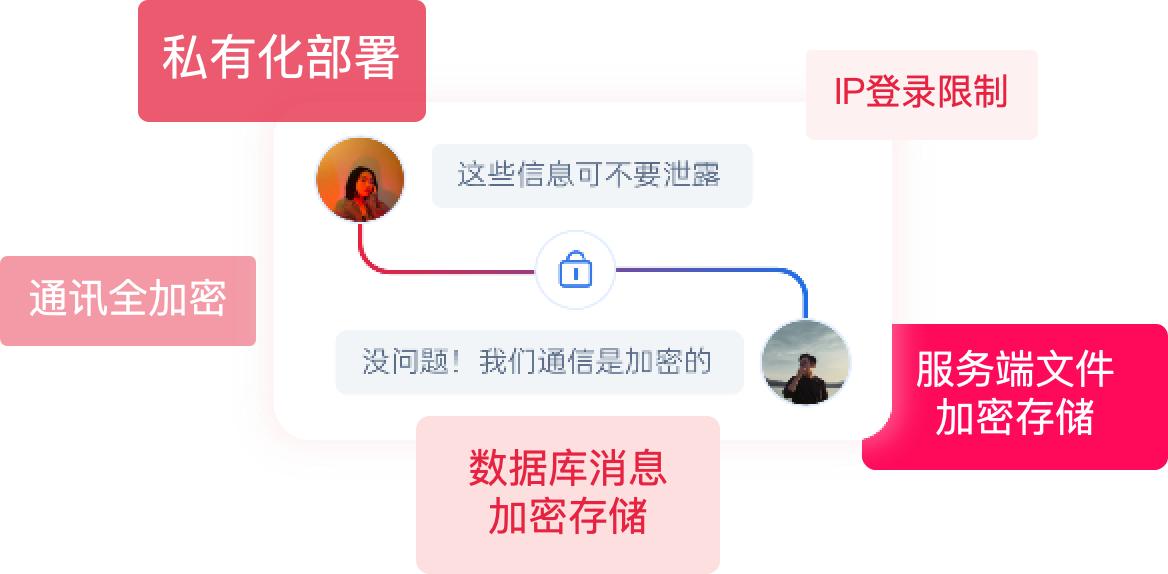
The core IP of chip design, such as architectural drawings, and process details are extremely valuable. These data are stored in the servers of overseas SaaS providers, which is equivalent to handing over lifeblood to others. Once supply is cut off or services are terminated, companies may instantly lose access to historical communication records and files, and R&D continuity will suffer a devastating blow.
If internal communications involve sensitive information such as technical discussions and defect reports, once intercepted or analyzed by a third party, it is very likely that key technologies will be leaked. There is a great possibility that competitors or institutions from other countries can use software backdoors or data analysis to deduce the direction and progress of research and development. This situation poses a double threat to the commercial security and national security of the company.
The pain of migrating R&D environments
A large number of semiconductor engineers use the Linux operating system to carry out development work. However, many mainstream business communication software does not support Linux well or has missing functions. Forcibly changing software may cause engineers to change their working habits or even install additional Windows virtual machines. This will greatly slow down R&D efficiency and trigger resistance among the team.

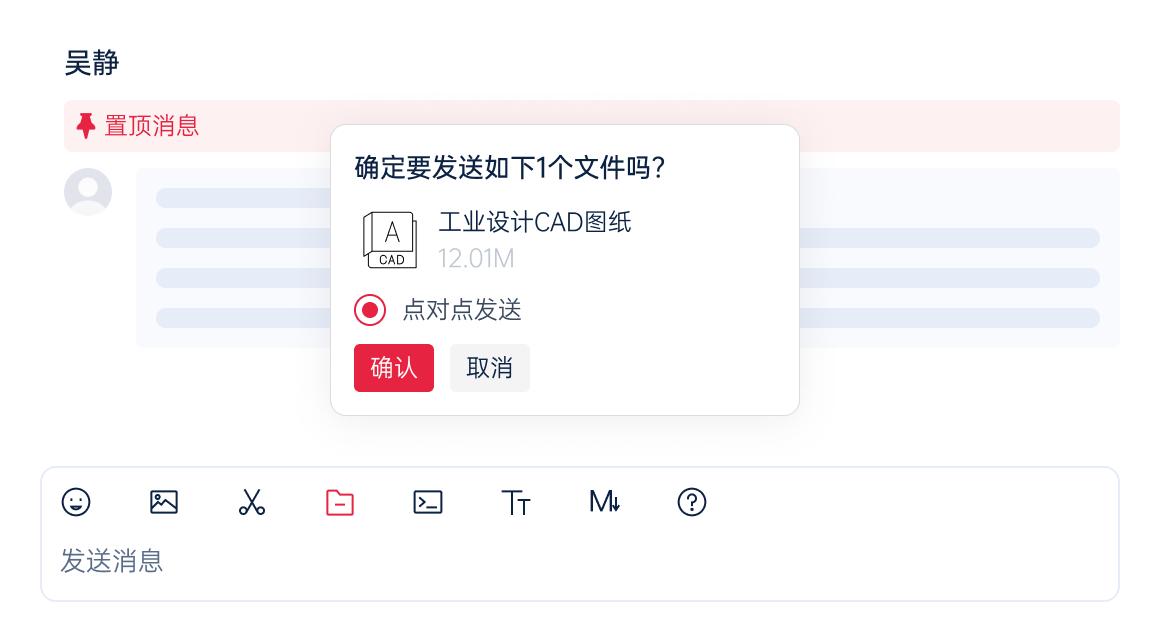
The R&D process is highly dependent on file transfer. Design files and simulation data that often number in the tens of GB must be exchanged efficiently. The replacement software must ensure that the speed and stability of large file transfers in an intranet environment are no less than or even better than the original tool. Any reduction in transmission efficiency will directly drag down the project cycle. .
Integration dilemma caused by closed ecology
There are already a large number of management systems developed by semiconductor companies themselves or purchased, such as EDA tool chains, project management systems and defect tracking platforms. The ecology of foreign communication software is usually closed, and the degree of openness of its API is limited. Otherwise, the cost of calling is high, so it is difficult to deeply integrate with those systems, and it is easy to form information islands.
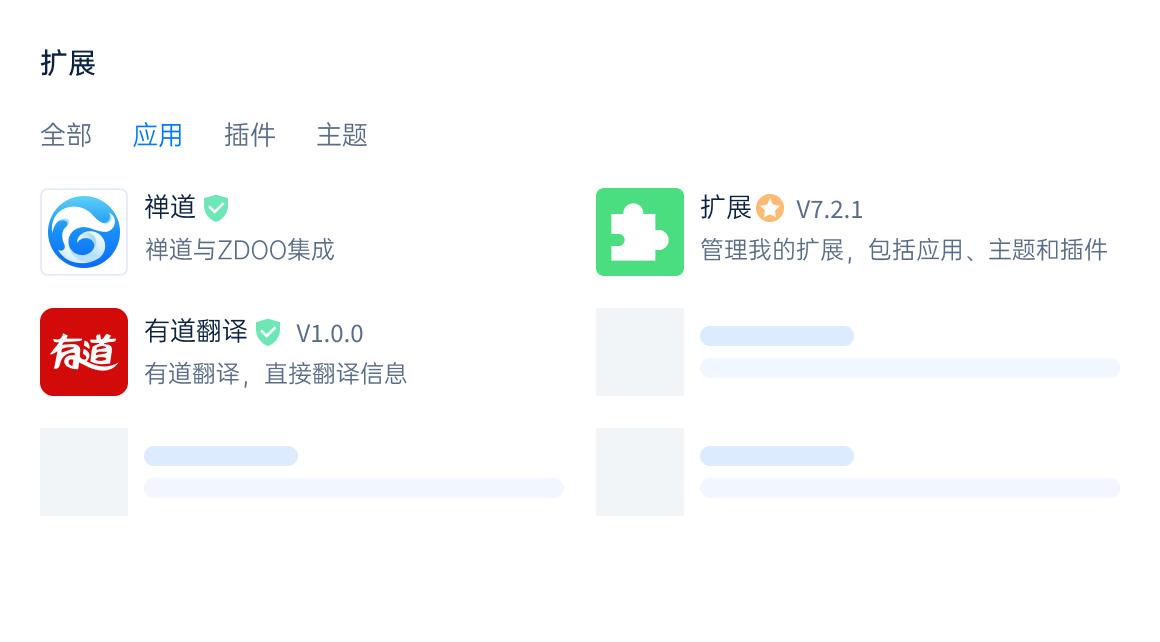
Engineers need to switch frequently between different platforms, which makes searching for information inefficient. An ideal alternative should be able to connect with the existing R&D management system using standard APIs or low-code tools, so that the communication window can directly associate tasks, submit code logs or initiate reviews, achieving a seamless workflow.
Detailed accounting of costs and benefits
Replacing software is not a one-time purchase cost. It is also associated with a long deployment process, migration links, training, and subsequent maintenance matters. Enterprises must evaluate the total cost of ownership including software licensing, server hardware, and human investment, and weigh it against the potential losses that may occur due to data leaks or supply interruptions.
The migration process itself carries the risk of business interruption. How to ensure that during the transition period, which is measured in months or even years, the old and new systems run simultaneously without chaos, historical data can be migrated smoothly, and users can transition smoothly. This puts extremely high demands on the IT department's project management capabilities. Mistakes in any link may lead to a decline in productivity.
The strategic value of building an autonomous digital base
This migration should not only be seen as going beyond simple tool replacement, but should also be seen as a strategic opportunity to build an enterprise's digital R&D base with independent and secure features. A communication platform that is fully deployed on the intranet and deeply adapted to R&D scenarios can become a digital hub connecting all internal systems, thereby improving overall synergy.
From a long-term perspective, choosing domestic software that meets the standards of information innovation can ensure the supply chain security of an enterprise's digital infrastructure and prevent it from being restricted by others in the more intense technology game in the future. This is not only a compliance behavior in response to current regulations, but also a security cornerstone for development in the next ten years.
In response to this inevitable digital shift, is your company still in a wait-and-see state of evaluation, or has it already formulated a clear replacement roadmap? Welcome to the comment area to share your opinions and problems you face. If this article has inspired you, please feel free to like and share it.