
In a field of vision filled with technical vocabulary, the new stories presented by AI and hardware often ignore the most fundamental question. This fundamental question is: In what way do these innovations truly enter the daily lives of ordinary people?

From underlying hardware to ecological construction
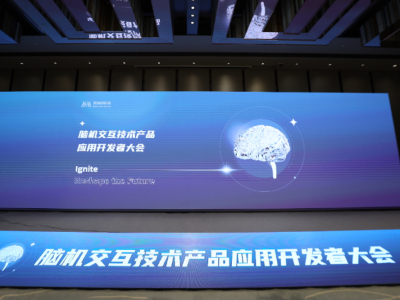
Gao Cuicui, a person from Ji Machinery Technology, pointed out that the breakthroughs achieved by the company started from the most basic hardware research and development work. They started related work from physical units such as sensors and chips, with the aim of ensuring that the signal acquisition process can achieve an accurate and stable state, and this state is actually the foundation of all applications for brain-computer interfaces. For example, through their self-developed module that can be used to collect neural signals, they can control the delay to the level of milliseconds, thus establishing a solid basic environment for subsequent data processing.
This strategy of starting from the bottom avoids being restricted by the supply chain. Gao Cuixing emphasized that only by controlling the core hardware can we flexibly adapt to the needs of different industries such as medical rehabilitation and smart home. It is precisely with such a solid foundation that Ji Jiji can build an open platform. It allows developers in different fields to create a variety of BCI application scenarios based on their hardware capabilities.
Vertical cultivation of enterprise management AI
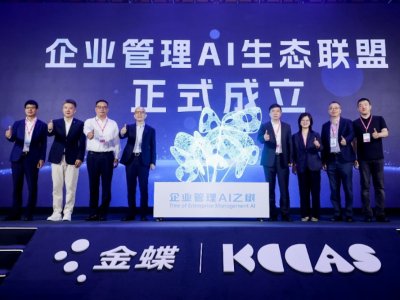
In May 2025, Kingdee Cloud was demonstrated at the AI Summit. What was displayed was an intelligent agent focusing on five major scenarios such as finance and supply chain. This demonstration marks the transformation of enterprise management AI, from a general tool to an in-depth service of specific business links. For example, its financial intelligence agent has the ability to automatically handle compliance reviews, thereby freeing manpower from tedious bill verification work.
The Agent Platform 2.0 released at the same time gives enterprises the ability to customize their own AI assistants. This shows that enterprises of different sizes and industries can create exclusive intelligent helpers based on their own data and processes, and implement the imagination of AI into various actual operations to improve decision-making efficiency and accuracy.
Precise innovation in family scenes


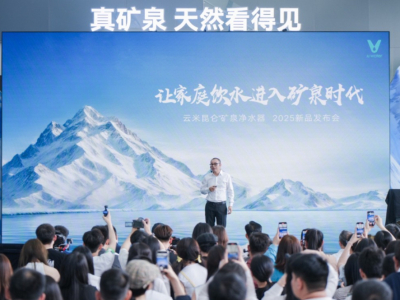
At the 2025 new product launch conference, Yunmi Technology turned its attention to the segmented field of household drinking water. The "mineral spring era" they proposed is not an empty concept. Instead, it uses a built-in filter element combination and real-time water quality monitoring sensors to mineralize home tap water to imitate the taste and mineral composition of natural mineral water.
For this kind of innovation, it avoids the fierce competition from major appliances and conducts deep technological research in the drinking water segment where users have clear pain points. It reflects a trend in the current development of smart homes, which is no longer pursuing a large and comprehensive "smart hub", but focusing on providing tangible and perceptible quality improvements at a specific life node.
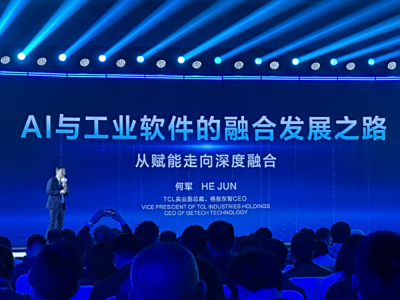
An open path to AI development
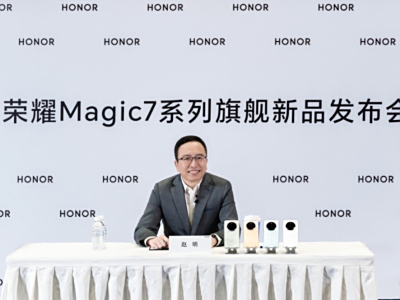
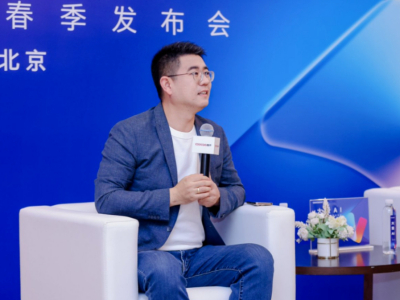
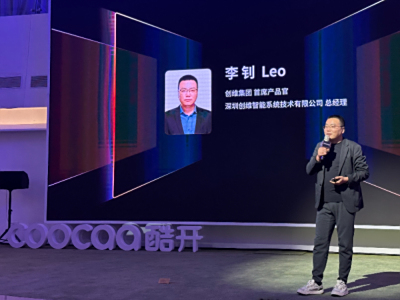
Wang Zhiguo, CEO of Cookaa Technology, proposed in April 2025 that there are limitations in the performance of closed artificial intelligence systems. He used smart TV systems as an example to show that only by opening interfaces and allowing third-party developers and devices of different brands to access can artificial intelligence learn and evolve based on users' diverse habit data.
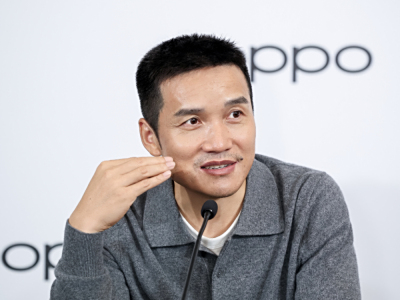
This view directly points to the current situation of the industry. Many manufacturers are keen to create closed ecosystems to lock in users. However, this limits the flow of data and the richness of services. Wang Zhiguo believes that future competitiveness does not lie in how much exclusive data one has, but in whether one can build a prosperous open application ecosystem that allows all parties to participate.
User co-creation beyond parameter competition
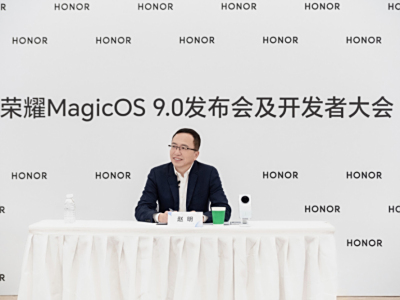
As the TV industry is keen on competing for screen parameters, Thunderbird Technology has chosen the "user co-creation" model. Instead of simply collecting feedback, they include core users in the early stages of product development, such as an exclusive mode for game scenarios, whose parameter adjustments are directly derived from multiple tests by the veteran player community.
This path makes product innovation closer to real needs, not the imagination of engineers. It successfully got rid of the high-cost pressure situation caused by "stack of materials". By focusing on the in-depth participation of specific user groups, it formed differentiated product capabilities and loyal community basic conditions, providing new ideas for homogeneous competition.
Breakthrough in the market segment of cleaning appliances
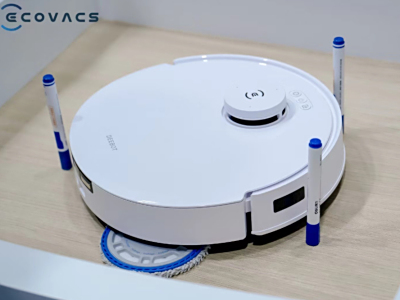
The popularity of high-rise residential buildings has led to an escalation of rigid demand, which has led to the growth of the window cleaning robot market. Consumers are no longer satisfied with high-risk manual wiping, and automated products for vertical scenarios such as glass cleaning have emerged. The explosion of the market has attracted many companies to enter, promoting the rapid upgrading of core technologies such as guidance to avoid obstacles and adsorption safety.
This case shows that consumption upgrading is not always a grand narrative. It is often reflected in a strong desire to "free up hands" for a specific housework. Manufacturers have identified the pain points of this segmentation and invested in research and development to solve the problems, so that they can open up a new track for rapid growth in the home furnishing market.
In this era of deep integration of AI and hardware, which product category do you think will emerge quickly by solving a specific pain point like window cleaning robots? Welcome to share your thoughts in the comment area. If you find this article inspiring, please also like it to support it.