
Regarding whether a new operating system can install Android applications, this seems to be a simple technical issue, but in fact it involves huge controversy and profound differences in the development path of the operating system.
Compatibility with new systems

Using the new system to enable existing platform applications to run is a common strategy for developers to extend their ecosystem. Microsoft introduced support for Android APKs in Windows 11. This feature is achieved with the help of Intel Bridge Technology and the Amazon App Store. Similarly, some open source projects rely on compatibility layers or virtual machine technology to achieve similar goals. This approach can effectively reduce user migration costs and gain a valuable early user base for the new system. The key is how to achieve this compatibility. Different technical paths determine the independence and future potential of the system.
Fundamental Differences in Kernel Selection

The operating system kernel is its most core part. It manages hardware resources and software services. The Android system uses a modified Linux kernel, which is an open source and mature choice. If a new system claims to use a brand new self-developed kernel, it means It shows that its underlying architecture diverges from the traditional route from the root. The difference in the kernel directly affects the performance, security model and long-term maintainability of the system. Choosing to develop a self-developed kernel is a more difficult path, but it may also lead to a more optimized design and stronger independent control capabilities.
Real challenges in ecological construction
The success of an operating system ultimately depends on its ability to build a prosperous application ecosystem. It is not enough to be compatible with existing applications. This is more like a transitional strategy. The real challenge is to attract developers to develop native applications for it. To do this, it requires To provide complete development tools, to do this you need a clear profit model, and to do this you need to have a sufficient user scale. In history, many systems have failed because they were unable to break through ecological bottlenecks. Therefore, compatibility is only the starting point, and cultivating native ecology is the key to long-term development.
The boundary between open source and autonomy
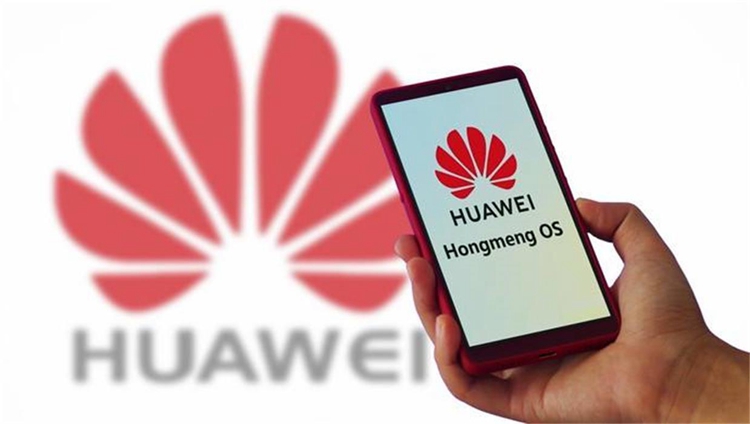
In the field of open source software, using and modifying open source code is a legal and extremely common behavior. The research and development of operating systems around the world relies heavily on the contributions of the open source community. The key lies in whether the relevant open source protocols are followed. Huawei executives have stated that not all code is developed by Google, and most of it comes from the open source community. This statement speaks to the collaborative nature of modern software development. The core key to determine whether a system is "reskinned" is whether it has substantive innovation beyond code reuse, and whether it has tangible feedback to the open source community.
Legal and business practical considerations
In business competition, intellectual property rights are sensitive areas. If a certain system is proven to have serious intellectual property infringement, the relevant companies will definitely take legal action. On the contrary, if the main competitors do not initiate substantive litigation, it often means that their technical paths are clear at the legal level. Large technology companies pay special attention to their own reputation and will not easily take the risk of intellectual property infringement. Business reality provides us with a side perspective from which to observe technological disputes.
Actual choice for users and developers
As far as ordinary users are concerned, what they care about is whether the system is smooth, whether the applications are rich, and whether the experience is coherent. For application developers, what they focus on is the cost of development, what potential the market has, and what prospects the technology has. For a brand new system to be approved, it must pass the inspection of these two levels at the same time. Users will express their attitude through actual actions, and developers will evaluate the output of their investment. The final choice made by the market will be the most direct judgment of the innovative value of a system.
Do you think that for an operating system to be successful, whether it is "compatible with the existing ecological environment" is more critical, or whether "creating a unique experience" is more decisive? Welcome to the comment area to share your personal opinions and ideas, and don’t forget to like this article to support it.