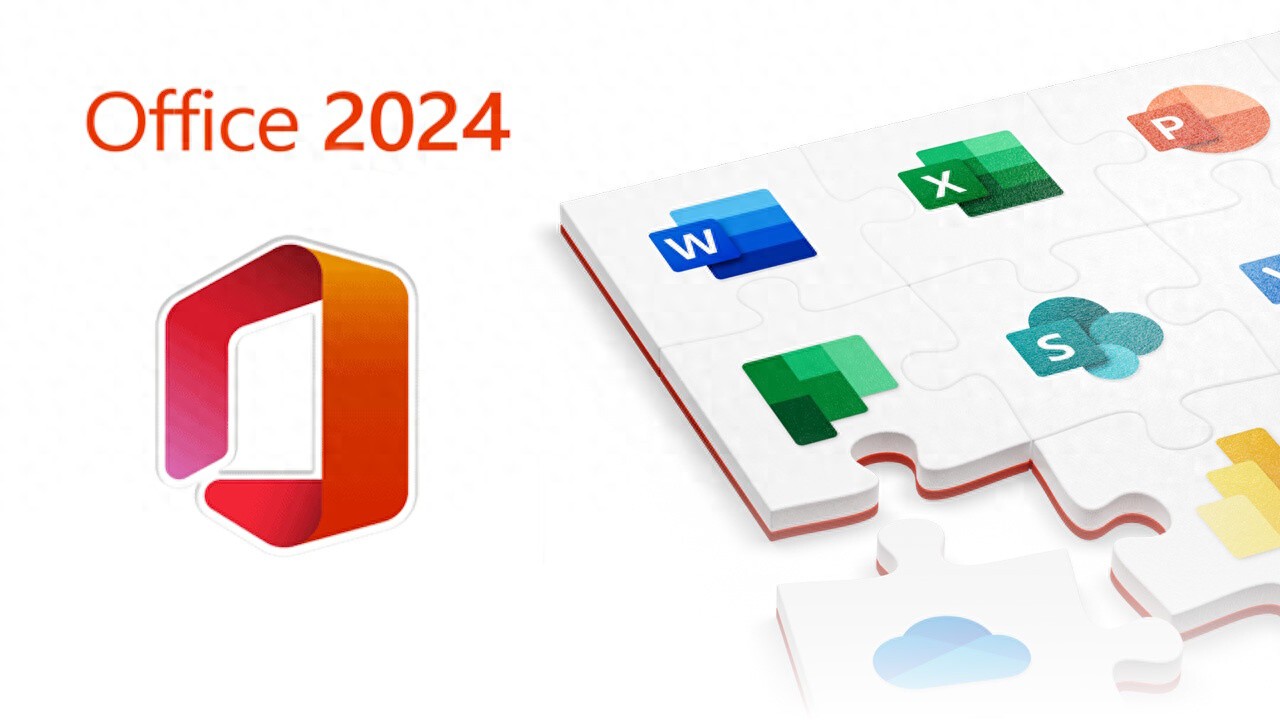
Microsoft recently issued an official guide, which presents the differences between the two versions to users. There is a situation where the choice is to "buy out" the software with a one-time payment, as opposed to continuing to pay to "subscribe" to the service. This choice has become a real multiple-choice question that many people have to face.
Fundamental differences in buying patterns
The 2024 version implements the traditional buyout payment method. Users pay a one-time fee to permanently obtain the license to use core office software such as Word, Excel, and PowerPoint. After this transaction is completed, the ownership of the software is transferred to the user.
The 365 version adopts a subscription system, which means that users have to pay continuously on a monthly or annual basis. This model is similar to leasing. As long as you continue to pay, you can always use the service. Once payment of fees is stopped, the right to use the software will also be terminated.
Core functions and continuous updates
In terms of functions, the 365 subscription version has noteworthy advantages. It integrates the AI assistant function, which can provide writing assistance in Word, data analysis in Excel, and email management in Outlook. It creates an intelligent office experience for users.
More importantly, users who subscribe on a monthly basis can continue to enjoy the latest version of the software, which covers all newly added tools and functional improvements. However, after the 2024 version of the software, which has permanent usage rights through purchase, is released, the functionality of various existing designs is already in a state that cannot be easily updated and improved. Except for necessary security and protective patch measures, users have no way to obtain any other new functional content.

Device support and usage flexibility
A very prominent highlight of the 365 subscription version is cross-device support. Subscribers can install applications on a variety of devices such as Windows computers, Macs, Apple iPads, and Android phones, and support up to 5 devices to log in at the same time, achieving seamless cross-platform office work.
Relatively speaking, the license for the 2024 buyout version is strictly limited to one computer, whether it is a PC or a Mac. It does not provide official cross-device synchronization support. If users want to use it on another computer, they need to purchase a license again.
Cloud services and collaboration capabilities
OneDrive cloud storage space provides 1TB capacity for each user in the 365 subscription version. This cloud storage is the key to modern office. Files can be synchronized to all devices in real time and can be easily shared and collaborated with others. This is very convenient for team work and remote office.
The 2024 buyout version does not include any additional cloud storage space. Users need to rely on local hard drives or purchase other cloud services themselves. In terms of file synchronization and the convenience of team collaboration, there is a significant gap with the subscription version.
Differences in mobile experience
In the case of mobile devices, the experiences between the two are also different. 365 subscribers can use complete advanced editing functions on mobile phones and tablets, which is generally consistent with the computer experience, effectively achieving mobile office.
Users of the 2024 buyout version on mobile phones or tablets less than ten inches to one inch can only use basic viewing functions and simple editing functions. If you need to make complex format adjustments or perform advanced operations, you must return to an authorized computer to complete it.
Long-term cost and value considerations
In the long run, the buyout version seems to be a one-time investment. However, after three to five years, the software may need to purchase a new version again due to outdated functions. Although there are ongoing expenses for the subscription version, you can always get the latest tools, security updates and cloud services.
For users who rely heavily on office software, have team collaboration needs, or pursue the latest technology, a subscription system may have more long-term value. For individual users with fixed usage needs, single equipment, and who are not sensitive to the latest features, the buyout version may also be a pragmatic choice.
Compared with the subscription model vigorously promoted by Microsoft and the traditional buyout licensing method, which approach do you think will be more suitable for your current work and life needs? Welcome to share your own opinions and reasons for your choice in the comment area.