
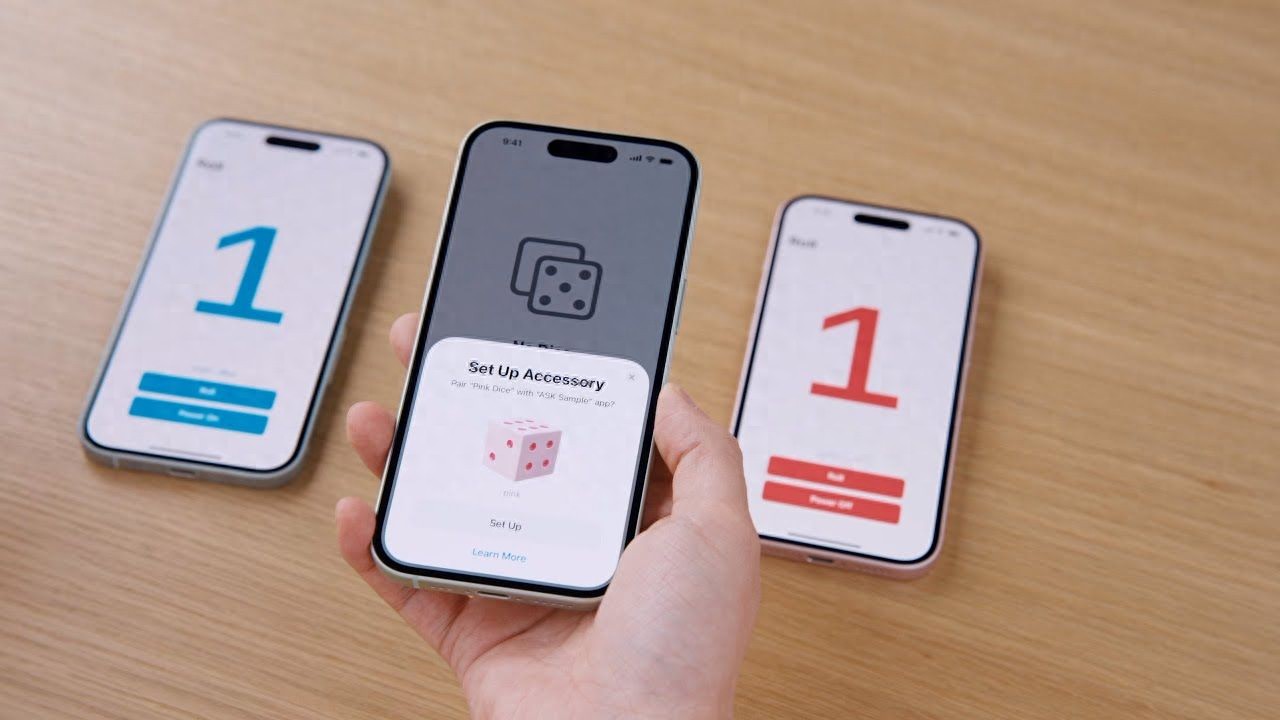
In iOS 18, Apple has opened up key pairing technology, which may change the way we connect Bluetooth devices and also have an impact on the way we connect Wi-Fi devices. At the same time, it also triggers discussions about the balance between ecological control and user convenience.
The heart of the new matchmaking experience
The API opened by Apple this time is, in essence, a standardization of the "one-click pairing" interface that it has enjoyed alone for many years. In the past, this experience was limited to in-house accessories such as AirPods and MagSafe. As long as the user opened the cover, an animated card would pop up next to the phone. Now, third-party manufacturers can also get the same treatment for their headphones, keyboards and other devices after being certified by Apple.
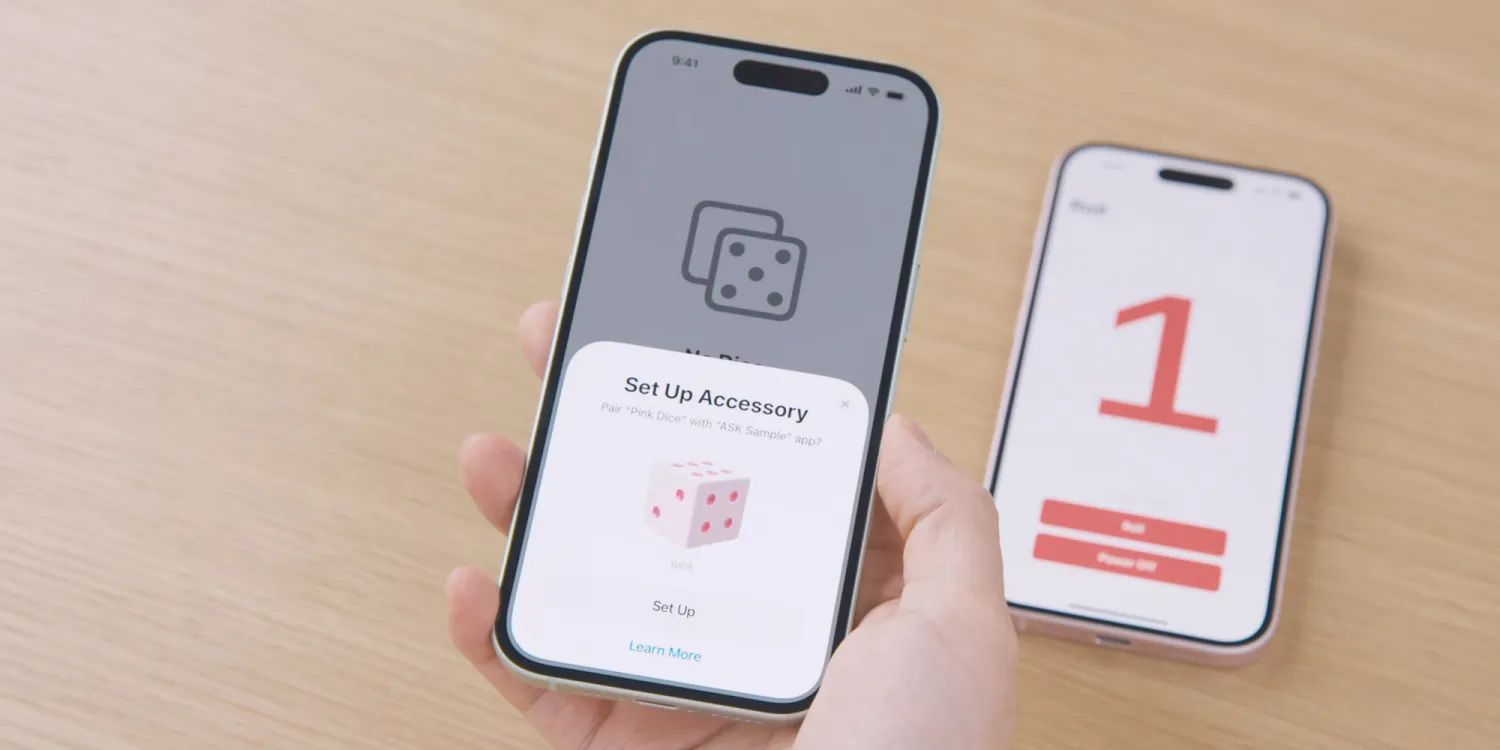
This means that if you buy a compatible third-party headset in the future, when you turn on the power for the first time, a pairing card will appear directly at the bottom of the iPhone screen, with the picture and name of the device clearly displayed on it. Users just tap "Connect", and the entire process does not require digging into the complicated Bluetooth settings list to search and select, eliminating complicated steps.

Technical principles and implementation methods
This technology is not just a simple optimization of the Bluetooth protocol, but is deeply integrated into the device discovery and identification services of the iOS system. When a compatible accessory is turned on and enters pairing mode, it will broadcast a specific signal using Bluetooth Low Energy, which contains identification information that has been encrypted and verified by Apple.
The iOS 18 system continuously scans for such signals in the background. Once recognized, it will trigger a system-level pop-up window. This pop-up window has higher interface permissions than ordinary apps. It can be elegantly displayed directly on the foreground application, and can also automatically handle all subsequent protocol handshakes and permission granting. What the user perceives is just a tap to confirm.
Strengthening user privacy protection
In the past, when pairing smart scales or light bulbs, you often had to download their respective dedicated apps and grant Bluetooth permissions, local network permissions and even location permissions. Under the new process, the connections are connected at the system level, and the App corresponding to the accessory will only be called when complex functions (such as firmware updates) are required, and the permission requirements are greatly reduced.
Apple has added an "Accessories" privacy menu to the settings. Users can clearly see all devices connected through this channel, and can individually manage whether the App corresponding to each accessory has permission to access the network or Bluetooth. This effectively inhibits some applications from excessively requesting permissions through pairing.
Opportunities for accessories manufacturers
For many third-party accessories brands, especially those focusing on the Apple ecosystem, this is an important access opportunity. They can get rid of the embarrassment of "copycat" AirPods pop-ups in the past and use official channels to provide a stable and legal seamless experience, which can significantly improve the product's appeal and brand image.
However, joining the program requires Apple's MFi (Made for iPhone) certification and strict technical specifications. This ensures a consistent user experience, but it also means that manufacturers have to bear additional certification costs and technical adaptation work, and the threshold has increased.
Possible challenges and limitations
The new application programming interface is currently only available for Apple phones and Apple tablets running iOS 18 and higher, which means that a large number of users of old devices cannot enjoy this convenience. At the same time, not all Bluetooth protocols are supported. Some devices that use special private protocols may still need to be connected through traditional methods.
When convenience is presented to Android users or cross-platform device users, this convenience is fragmented. There is a keyboard that can be paired with one-click operation on the iPhone. However, when it is applied to a Windows computer, it is very likely that it will still need to be operated manually. This situation has invisibly deepened the barriers built by Apple's ecosystem, causing users to have more concerns when changing mobile phone platforms.
Inspiration for future smart life
This move by Apple pushes "seamless connection" from a vision to a broader practice. It indicates that in the future, the networking of smart homes and wearable devices will be further "de-Appized" and become "insensitive". The devices themselves are plug-and-play and no longer require complicated configuration wizards. When in an ideal state, users do not need to think about "how to connect" at all.
This has also led other platforms to consider simplifying the connection process. Google's Fast Pair and Samsung's similar technologies already exist. However, Apple, with its strong control over the closed ecosystem, may be able to promote the popularization and application of standards faster. The ultimate beneficiaries will be all ordinary users who pursue a convenient life.
The convenience that is brought to you is due to the deep integration of the system. Do you think this convenience is worth it for you to use it and be more deeply bound to the ecosystem of a single brand like Apple? You are welcome to share your views in the comment area. If you find the analysis helpful, please give it a like and support.