

At present, the development of smart technology is far from a simple function upgrade, but has completely changed the way we use and integrate technology. This matter is not only related to the height that technology can reach, but also related to how it is implemented in practice. At the same time, it is also related to whether it complies with ethical standards. It is all related.

The underlying laws of technological evolution
Looking back at the past, technological innovations such as steam engines and electricity have created new control methods and industrial architecture combinations. The widespread popularity of digital computers has prompted automation to move towards informatization. The key core of these progresses are all based on the leapfrogging improvements in information processing and transmission capabilities.
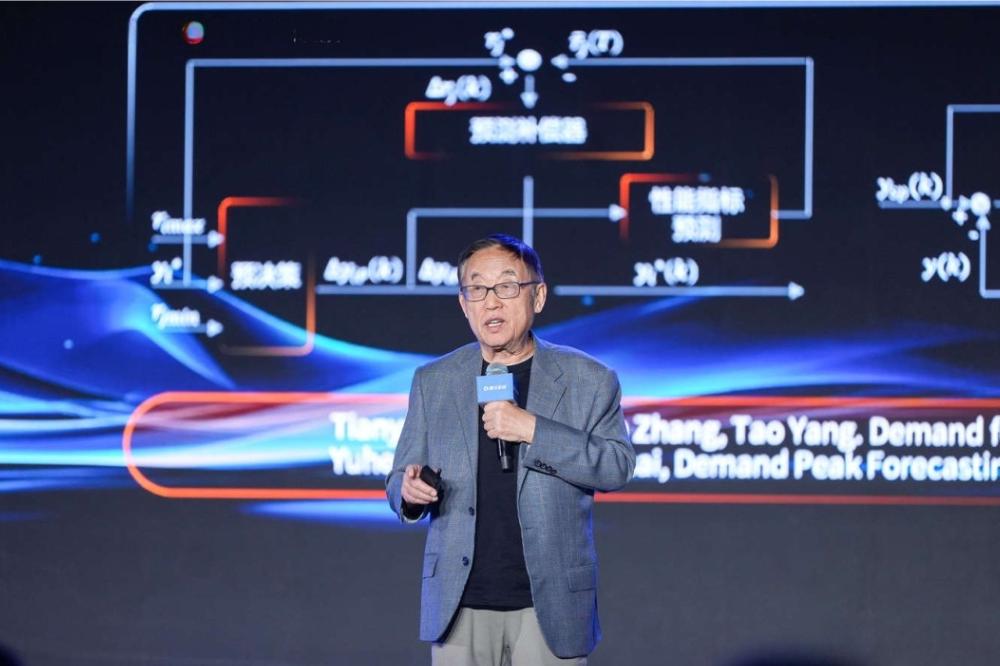
Nowadays, the progress of artificial intelligence has shown completely new characteristics. Data, powerful computing resources, and algorithmic models create a mutually reinforcing cycle. Such a positive feedback effect allows the level of intelligence to self-reinforce and improve at an unprecedented speed.
The unifying nature of physical AI systems
According to the technical core, modern automobile systems, industrial robot systems, and drone systems have a common foundation. At the essential level, they all rely on sensors to sense the surrounding environment, use algorithms to make decisions, and then use mechanical components to perform actions. Physical intelligence.
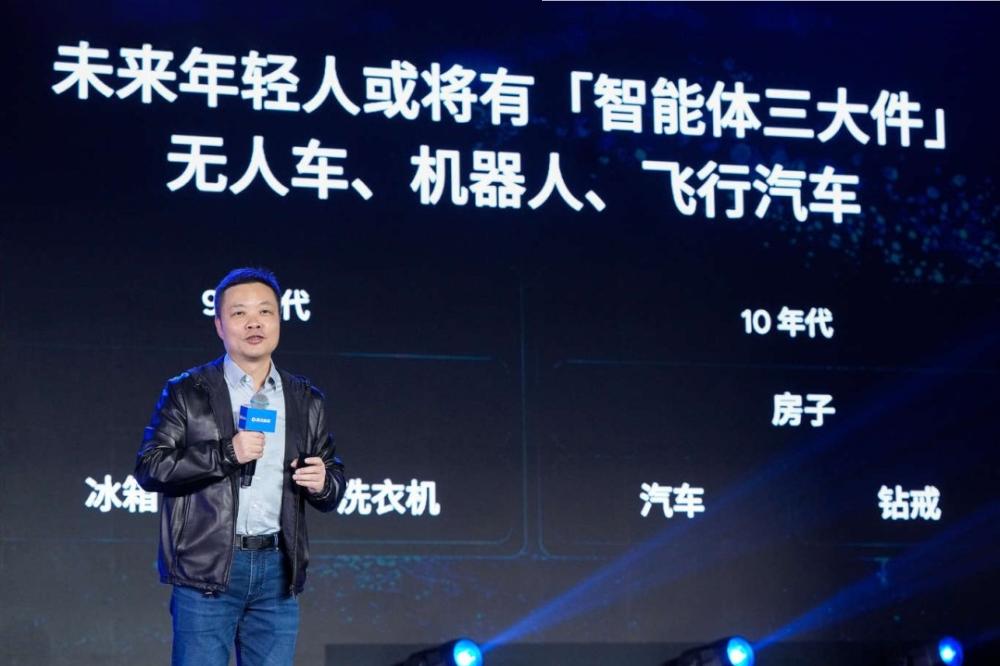
The most critical thing about realizing machine autonomy is this framework that integrates perception, decision-making and execution. For example, self-driving cars follow this basic principle when identifying road conditions. There are also robotic arms that complete precision assembly, which also follow this basic principle.
Application key in vertical fields
In professional fields such as industrial manufacturing and medical diagnosis, if artificial intelligence is to effectively play its role, it must meet several extremely demanding requirements. The accuracy of the system it relies on must be extremely high, because any mistake is likely to lead to serious consequences. At the same time, the behavior of the system should be controllable and predictable.
It is also critical to create a trustworthy relationship between humans and machines. Operators must understand and trust the decision-making logic of AI, which has a direct impact on whether the technology can be safely adopted and used for a long time.
The core shift in the development of large models
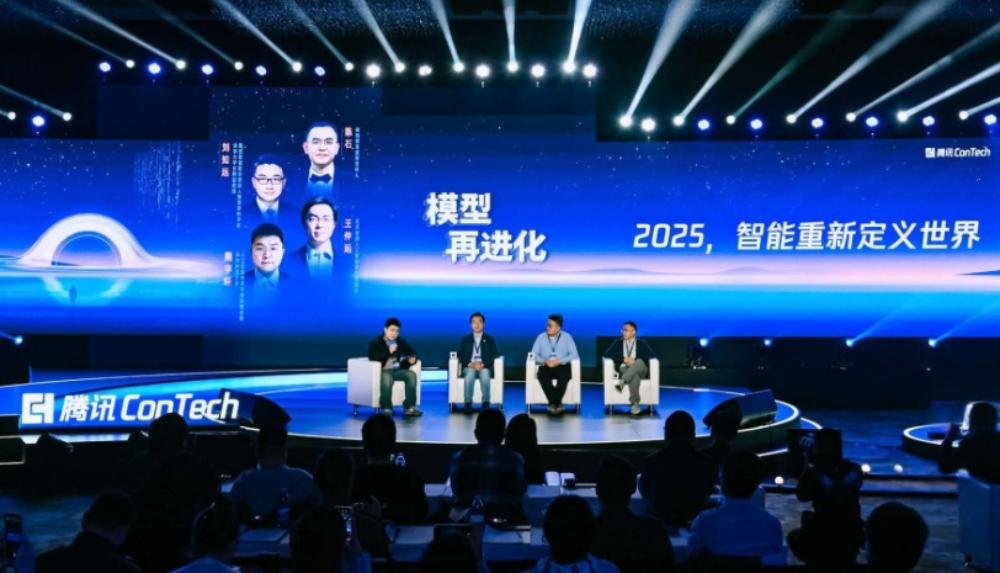
By 2025, the performance of artificial intelligence, which uses large language models as its representative content, on many tasks will be close to or even surpass that of ordinary humans. Regarding the focus of the industry, there has actually been a fundamental shift. The core-level question has changed from "whether it can achieve a certain functional state" to "whether it has the ability to achieve a stable, reliable and sustainable long-term operating situation."
The robustness, efficiency, and maintainability of the system have put forward higher requirements due to this transformation. As the industry looks forward to future development, how to achieve continuous operation of AI systems in real and complex environments has become a top priority.
The leap from digital to physical
The materials used by artificial intelligence for learning are undergoing significant changes at the moment. Artificial intelligence models in the early stages mainly learned from text. However, the next generation of artificial intelligence models will absorb more data generated from videos and the real physical world, which contains information composed of time passage, spatial relationships, and causal relationships.
This change in learning paradigm will effectively promote artificial intelligence from pure digital information processing to interaction with physical entities. This will lay a new development foundation for intelligent agents that need to act in the real world, such as robots and autonomous driving.
Industrial Competition and Future Paths
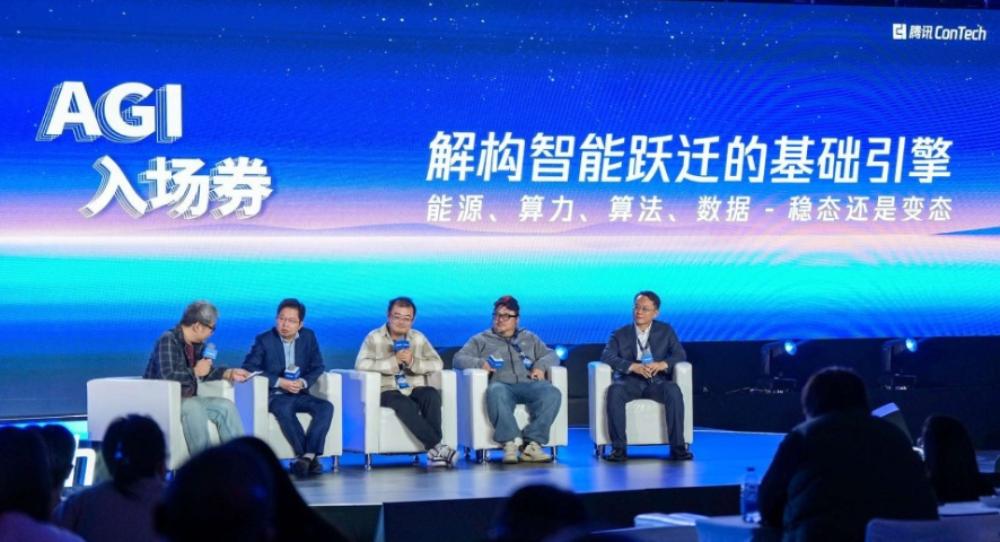
Today, the standards used to measure the competitiveness of a large model company are in a state of reconstruction. The sheer scale of computing power or the number of model parameters is no longer an absolute advantage. Competitiveness is more reflected in the ability to efficiently organize computing resources, the theoretical upper limit of model performance, and the richness of the developer ecosystem built.
As far as Chinese technology companies are concerned, actively participating in the global open source community, developing more efficient model architectures, and innovating on terminal devices such as mobile phones are regarded as key pragmatic ways to participate in international competition. The entire industry is moving towards general artificial intelligence, which is a systematic project that requires collaborative progress in computing power, algorithms, infrastructure and ecology.
Do you think that when artificial intelligence moves toward the physical world, the biggest challenge it faces is the bottleneck in technology that is difficult to break through, or is it the public's acceptance of such new technologies and the establishment of an ethical and regulatory system? You are welcome to share your opinions in the comment area. If you feel that this article can bring inspiration, please give a like to show your support.