Behind the transformation of technology giants, there are everything from dizzying and complicated new functions to the smoothness of the return to the system. Among them is the success of users' most simple needs.

The cost of feature stacking
In the past few years, the key point of mobile phone system updates has often been various novel features. These features are quite eye-catching when they first appear. However, after the novelty of users wears off, they are often forgotten in the memory due to low frequency of use. At the same time, the bottom part of the system gradually becomes complicated and bloated due to the lack of deep-level optimization for a long time, resulting in sluggishness in the daily operation process.
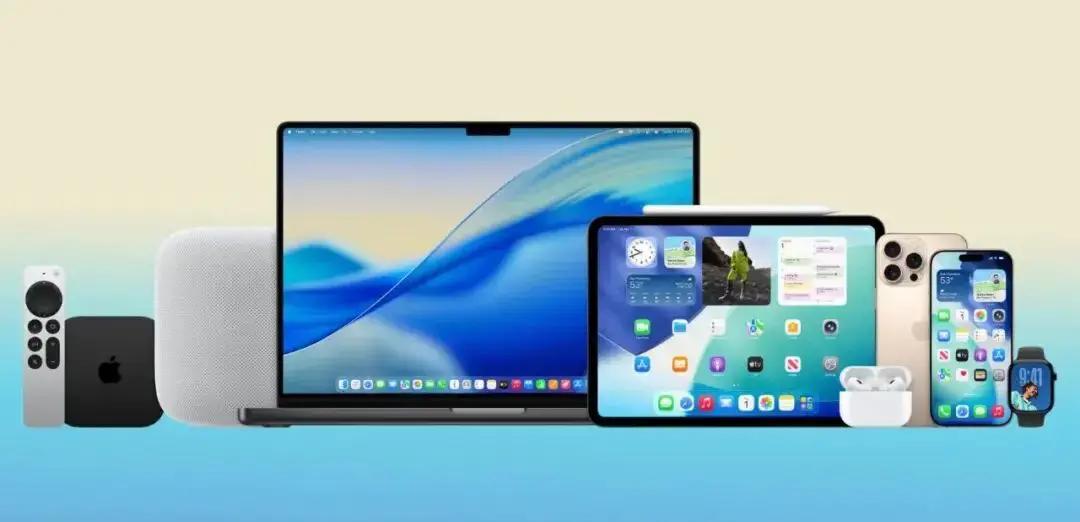
The negative effects of this strategy have already emerged. Many users have said that after upgrading the device to a new system, the smoothness is not as good as before. Background applications always restart frequently, animation frames drop, and application startup becomes slow. These problems are gradually eroding the most basic user experience. Once the basic experience cannot be guaranteed, no matter how cool the new features are, it is meaningless.
Dual pressures from regulation and users
Changes in the external environment are also prompting changes. The European Union, with the help of regulations such as the Digital Market Act, proposed to allow technology companies to open up their core ecosystems. This situation forced Apple to re-examine its closed ecosystem construction form and put more energy into the compliance adjustment of the system architecture.
Changes on the user side also have more critical characteristics. As device performance growth shows a slowdown, the replacement cycle of consumers has been extended. Users' expectations for the device have evolved from "what new features are there" to "how long can it be used without lag". The increase in the number of privacy leaks has also caused users to put forward higher requirements for data security and system stability.
Historical echoes and realistic choices
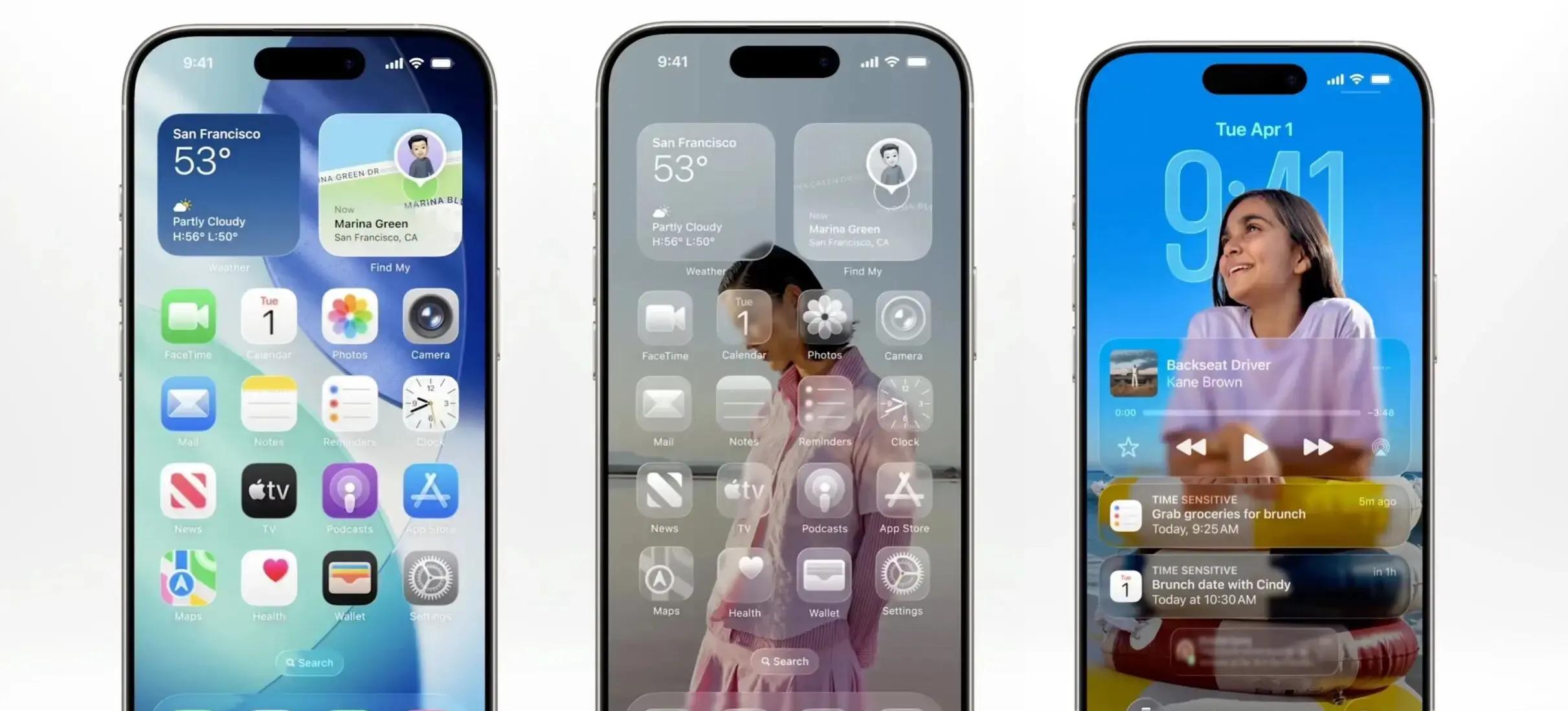
This is not the first time Apple has made a strategic correction. Looking back on its past history, after a period of rapid feature expansion, there will always be a version update with stability and performance as the core. Such periodic adjustments are a necessary means to maintain the long-term healthy development of the system.
Nowadays, the sudden explosion of generative artificial intelligence has brought new possibilities and also brought great pressure. Competitors are deeply integrating large model capabilities into their systems. The challenge facing Apple is how to introduce powerful artificial intelligence capabilities without reducing system efficiency and battery life, which requires fundamental engineering reconstruction.
Shift of engineering focus
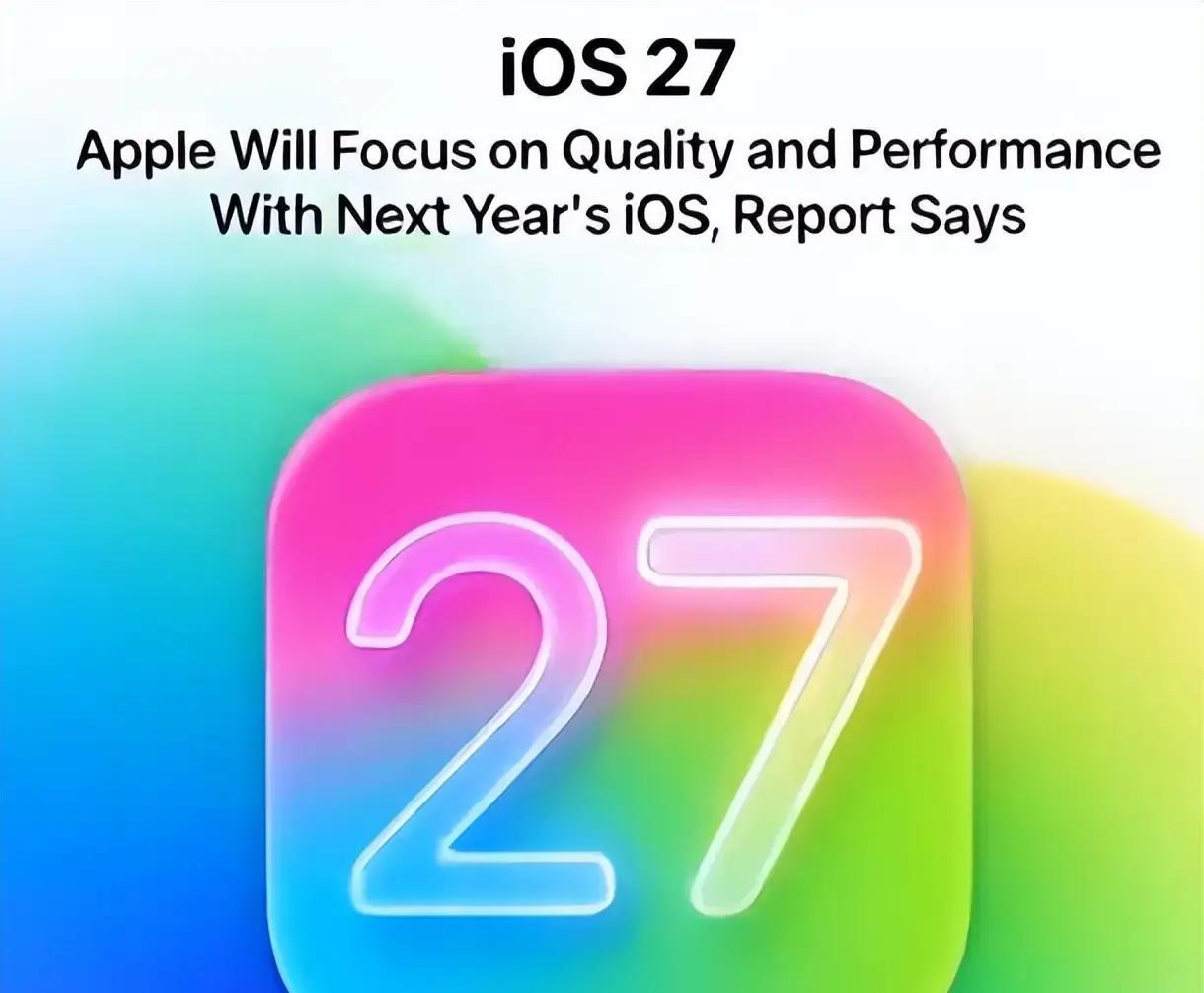
It is understood that the main engineering goal of the next-generation system has changed to "performance and quality," which indicates that development resources will focus on repairing legacy issues, optimizing underlying code, and improving energy efficiency. The purpose is to reduce system redundancy and enable chip computing power to serve the core experience more efficiently.
There have been some hidden signs of this change a long time ago. For example, in terms of voice assistants, the underlying reconstruction has already begun in the early versions. The form of intelligence in the future will not be presented as an independent application style, but will be integrated into frequently occurring scenarios such as system search, health management, etc., and then transformed into a background service state with no gaps between each other.
Philosophical reflections on hardware design
In terms of hardware, the pursuit of "extreme thinness and lightness" has reached a critical point of balance. Overly radical designs are likely to result in sacrifices in structural strength, heat dissipation capabilities, and battery life. The recent doubts about durability caused by some ultra-thin devices have sounded a warning bell to the entire industry.
The challenges faced by the supply chain are also real. Issues such as hinges, ultra-thin glass, and screen creases associated with cutting-edge technologies such as folding screens are each a test of engineering and mass production capabilities. How to find a balance between innovation and reliability is a practical issue left to the hardware team to face.
The core competition of ecological future
Looking forward to the competitive situation in the next ten years, the focus may not be on how many eye-catching demonstrations of AI functions there are, but on which party can achieve the goal of transforming AI capabilities into stable, flawless daily services. Just like electricity, the most outstanding AI is a basic support guarantee that users cannot detect its existence, but can be used anywhere and at any time.
The key points of this competition lie in the distribution of computing power and the health of the ecosystem. Being able to create a system environment that developers are willing to study for a long time and users can safely entrust their data to, such a system can gain long-term trust. Apple's strength is its vertical integration capabilities in chips, systems and hardware. However, how to overcome the inertia of the organization and respond flexibly to changes is crucial in the execution phase.
In fact, the requirements put forward by users are quite specific: applications can be opened faster, search results can be more accurate, and battery life can be longer. When technological innovation returns to protecting these initial experiences, real progress can only begin. For you, do you prefer a system full of unknown and novel functions, or do you want a daily companion that is as smooth as silk, stable and reliable? You are welcome to share your opinions in the comment area. If you agree, please like it to support it.