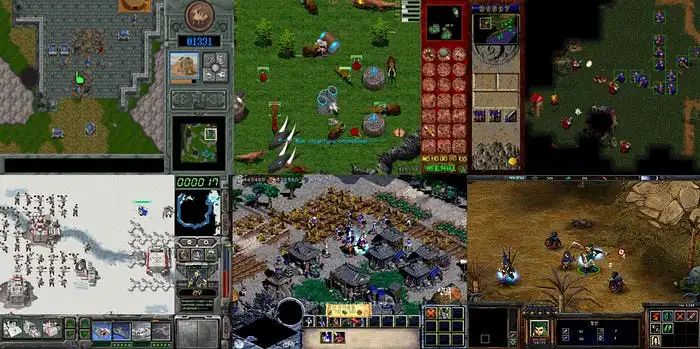

The starting point of the Korean game industry is closely related to piracy. This past experience not only showed the chaos of the early market, but also directly promoted the emergence of local originals.
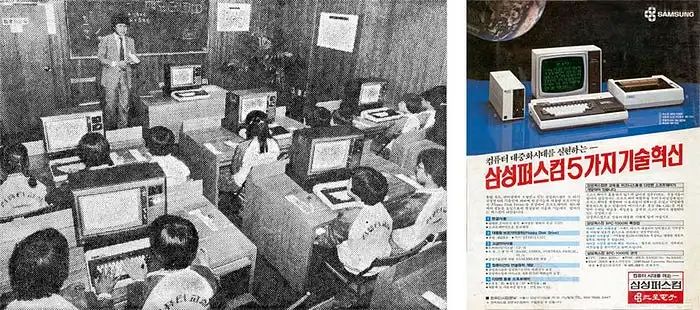
Legal gaps and outright piracy
Before the mid-1980s, South Korea did not have laws related to software copyright. This has caused many companies to unscrupulously copy popular foreign game cartridges, directly change the packaging and sell them in the market as their own products. At that time, games were mainly presented in a simple arcade style, and the need for content translation was very small. Generally, only a few words on the title screen needed to be processed. Role-playing games with complex operations and large amounts of text were rarely involved.
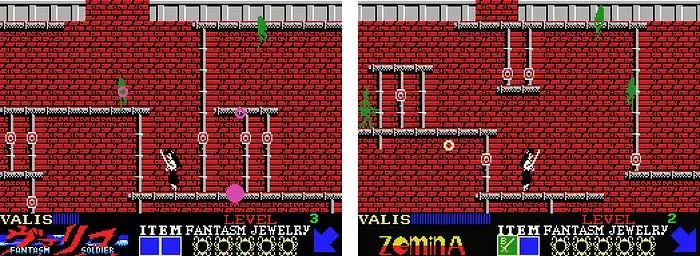
This environment allows local companies to gain profits without investing in R&D. The market is flooded with imitations, and players’ choices are limited. Basically, they can only access these overseas games that have been simply localized. South Korea’s local software creation capabilities have been suppressed for a long time.
A turning point in copyright law
In July 1987, South Korea officially passed the Computer Program Protection Act. The promulgation of this law completely changed the industry standards. Companies that had previously relied on copying foreign games to survive suddenly faced legal risks and had to start thinking about developing their own original software. This evolved into a key forced transition point for the Korean gaming industry.
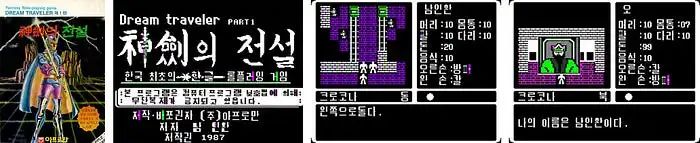
After the law was implemented, the market experienced a brief period of emptiness. The original piracy channels have been blocked, but new development capabilities have not been formed, and the number of new games available to players has dropped sharply. Although this painful period is difficult, it provides companies and developers with real R&D intentions with the market space and survival opportunities they need.
The faltering start of local RPG
Driven by the law, South Korea's first relatively complex local role-playing game was born. This game was deeply influenced by the European and American classic "Genesis" and made many references in terms of system and gameplay. Although it is not innovative enough, it is of great significance to Korean players.
This is their first time to experience a role-playing game with a relatively complete world view and story line in their native language. The advent of this game means that Korean developers have begun to try to conquer more complex game types, taking a key step from simple imitation to systematic learning.
The Transformation Path of Mogai Company

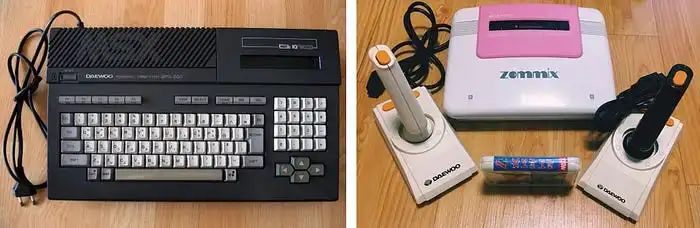
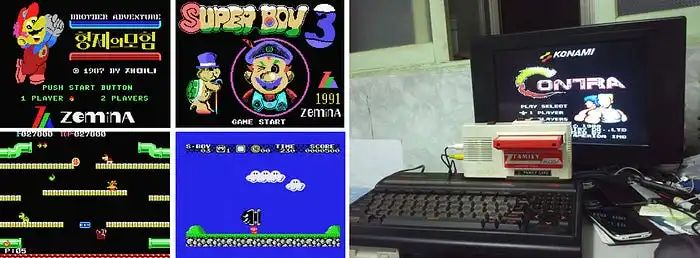
At that time, there existed a company called "Software Workshop". This company was quite representative. Its initial business was to produce modified versions of foreign games such as "Super Mario" for MSX computers and specific peripherals. After the copyright law came into effect, the risk of such "magic modification" behavior increased significantly, which forced the company to seek transformation.

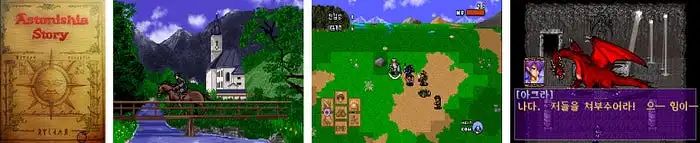
They began hiring programmers to develop original works and sell them through their own channels. In 1989, that company launched an action role-playing game inspired by "Wonderland" called "Fantasy Knight". Such an identity change from "modifier" to "creator" was a portrayal of many small Korean game companies at that time.
The first success of cultural themes
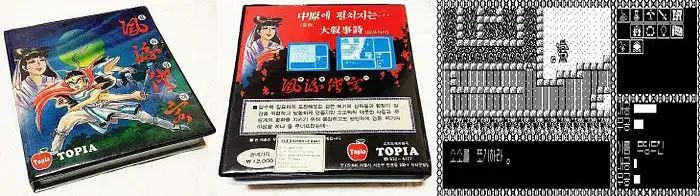
In 1990, a role-playing game "Hong Gildong" became a success. This game was based on the Korean classic novel "The Legend of Hong Gildong". It did not simply copy the original work, but continued the plot after Hong Gildong established the country, and added a multiple ending design. Its biggest highlight is that it has a strong local cultural flavor.
Judging from today's standards, this game still shows a rough feeling in terms of technology and design. However, it has a complete story and well-known themes, which allows Korean players to gain an unprecedented sense of cultural intimacy. Its performance in the market confirms that original content based on domestic culture has strong vitality.
Authorized introduction and in-depth localization
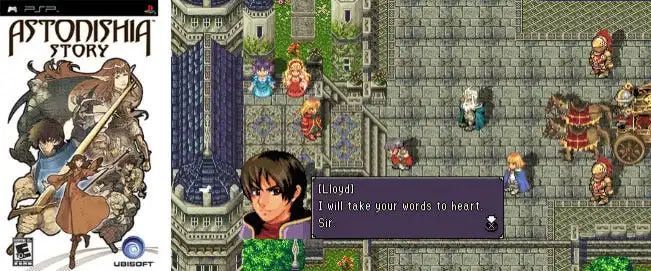
In 1992, a South Korean company called "Samsung Electronics" introduced the Japanese game "Pretty Little Dream Factory" and implemented it into Koreanization. After that, the company obtained the official authorization of "Ys 2" and not only translated it, but also remade the game and even added unique new content such as "attack buttons".
This cooperation is a milestone of great significance. This cooperation means that the capabilities of the Korean team have been recognized by the well-known Japanese manufacturer. The level of cooperation has been upgraded from a simple agency transformation to an in-depth adaptation. The success of this cooperation has paved the way for more international licensing-related cooperation in the future, and also allows Korean players to better experience and enjoy high-quality overseas masterpieces.
First, it changed from direct piracy to legal reverse to promote originality, and then to cultural adaptation and international cooperation. How did Korean role-playing games achieve this difficult transformation in just a few years? In your opinion, which one will play a greater role in promoting the development of the industry, the compulsory nature of the law or the independent innovation of the market? Welcome to share your views.