
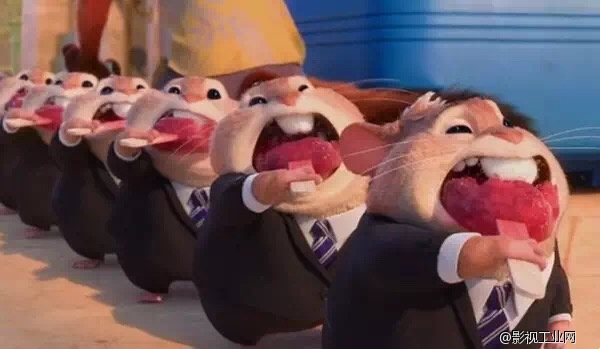

Many people say that it doesn’t matter whether animated movies are good or not. Parents will take their children to watch them anyway. However, the global reputation and box office of "Zootopia" show that an animated feature film can not only entertain children, but also trigger discussions in the whole society. Its success is by no means accidental.
Precise selection of market gaps
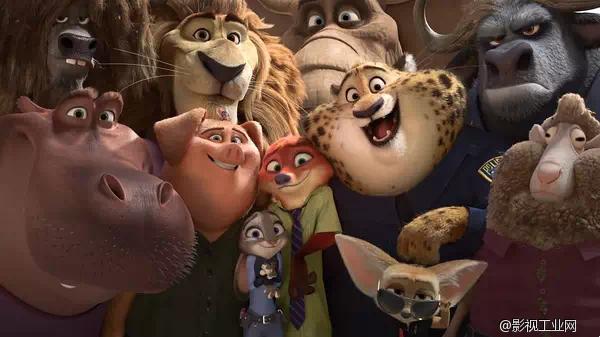
In every year, March is usually a relatively off-season period for the film market. Major film studios engaged in film commercial operations will avoid this time period for films that have invested huge production costs. However, it was precisely at this time that family audiences had a strong demand for film viewing. Looking back at the situation in the past few years, the films "The Story of Old Lacey" and "Alice in Wonderland" have all achieved good results during this time period. These situations fully prove the potential contained in the film market when there is a window period.
As the producer of "Zootopia", Disney was keenly aware of this opportunity. After the market performance of "Kung Fu Panda 3" and other films fell short of expectations, there was a lack of family-friendly movies with strong influence throughout the spring period. Disney scheduled "Zootopia" to be released in March, thus directly filling the gap in the market and becoming an almost single choice for high-quality family viewing movies at that time.
Endorsement of the strength of the Disney brand
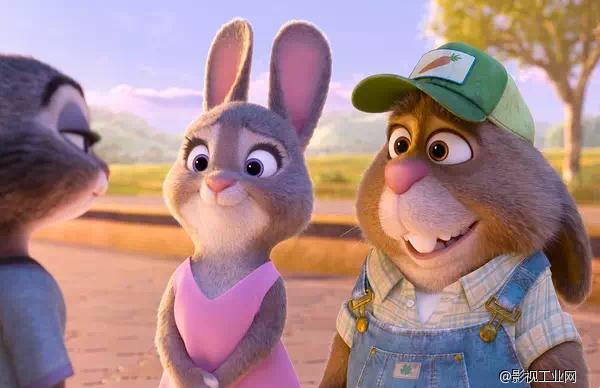
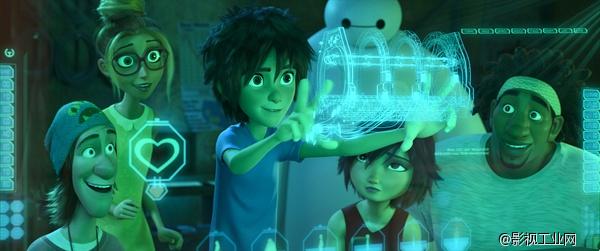
The success of "Zootopia" is inseparable from the powerful production team behind it, namely Disney Animation Studio. This team has successively launched "Frozen" in recent years. Not only that, it has also launched "Wreck-It Ralph", and has also launched "Big Hero 6" and many other films that are both well-received and popular. This has accumulated a very high level of audience trust.
Although Disney's classic images are deeply rooted in everyone's hearts, in the hearts of some young viewers, its brand style was once considered not as novel and cool as Pixar. "Zootopia" has powerfully reversed this impression with its innovative world view and sophisticated production, demonstrating Disney's cutting-edge capabilities in creativity and technology.
Positioning that breaks age boundaries
The film's marketing strategy clearly conveys a message that this is not just an animation for children to watch. The promoters have made many well-conceived and well-produced short films and materials. These contents are full of clever ideas and humor, and they are also obviously attracting the attention of adult audiences.
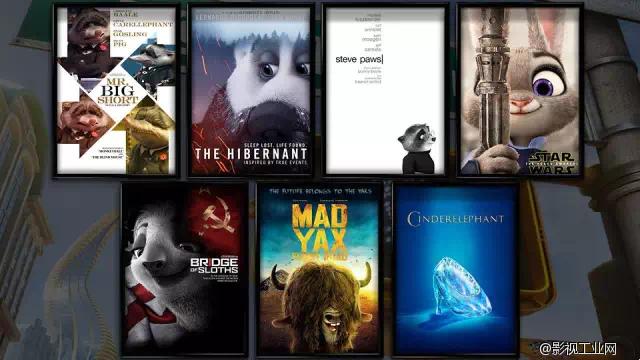
Utilizing the film's presentation of universal themes such as prejudice, dreams, and reality, the marketing successfully shaped "Zootopia" into a work with depth that resonates with audiences of all ages, effectively expanding its target audience group.
A clever touch on subcultures
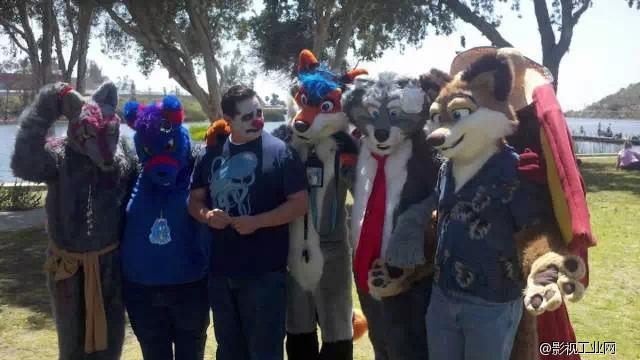
A bold move during the film's marketing was to proactively reach out to the subculture of "furry fans", a group that has a strong interest in anthropomorphic animal characters. Instead of avoiding it, Disney used social media to interact with its creators.
They inspired fans who are passionate about animal-related content to create re-creations based on the characters in the film, and also held related online activities. Such a gesture of respect and acceptance caused this group to actively become promoters of the film, and organized a large number of themed viewing activities in the early stages of the film's release, thus building a unique and enthusiastic first audience base.

The strategic art of trailer placement
One of the most effective marketing tactics of "Zootopia" was the precise placement of its trailers. The film's second trailer, which featured a clip of the sloth working at the DMV, quickly became popular on the Internet because of its extremely humorous nature. The trailer was long-running before the main film of "Star Wars: The Force Awakens," the box-office winner at the time.
For eleven weeks, a large number of viewers who watched "Star Wars" were exposed to this interesting trailer in advance. This strategy of putting an excellent trailer before a super blockbuster achieved unprecedented exposure at a very low marginal cost, which greatly stimulated the audience. Before the movie was released, a large number of viewers were exposed to the interesting trailer of "Star Wars". This trailer was posted before the super blockbuster, and it was low-cost and effective, stimulating the audience's interest in watching the movie.
Continuous fermentation of word-of-mouth effect
After the film was released, its high quality quickly turned into a strong reputation. On various film review websites and social platforms around the world, audiences praised its story, characters and connotations without hesitation. Domestically, the high ratings enjoyed by platforms such as Douban continue to attract more viewers to theaters.
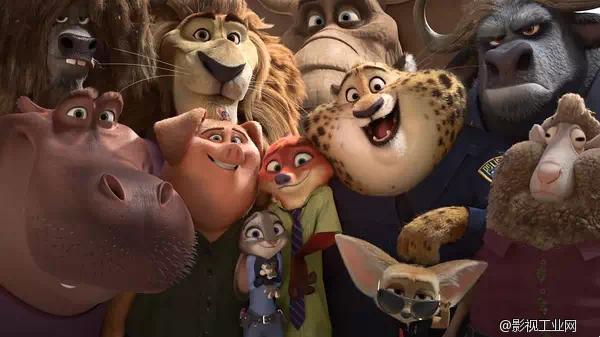
Especially when compared with the lack of competitiveness of other films of the same period, the excellence of "Zootopia" becomes even more obvious. The audience expressed their attitude through actions, which resulted in a strong box office momentum for the film, establishing a virtuous cycle of "watching – giving positive reviews – attracting more people to watch", and ultimately achieved dual success in terms of market and word-of-mouth.
Do you think that if an animated film is successful, in addition to being well-made, to what extent does the marketing strategy determine its box office direction and outcome? You are welcome to share your views in the comment area. If you agree with the analysis of this article, please like it to support it.