
Deep-sea exploration equipment technology is developing at an unprecedented speed. It is not only related to marine science research, but also has a direct impact on the future development of deep-sea resources and environmental protection.
Seabed and Deep Ocean Monitoring Technology

The seabed-based automatic observation station is a key component for long-term monitoring of seabed dynamics. It can continuously collect dynamic and ecological parameters, thereby forming the basic node of the seabed observation network. This type of technology can overcome the limitations of short-term vessel surveys and enable continuous data collection for months or even years. The matching junction box technology provides power supply and communication support for these observation nodes, just like the "power socket" and "data hub" on the seabed, thus ensuring that the entirety system can operate stably.
Progress in Underwater Robot Technology
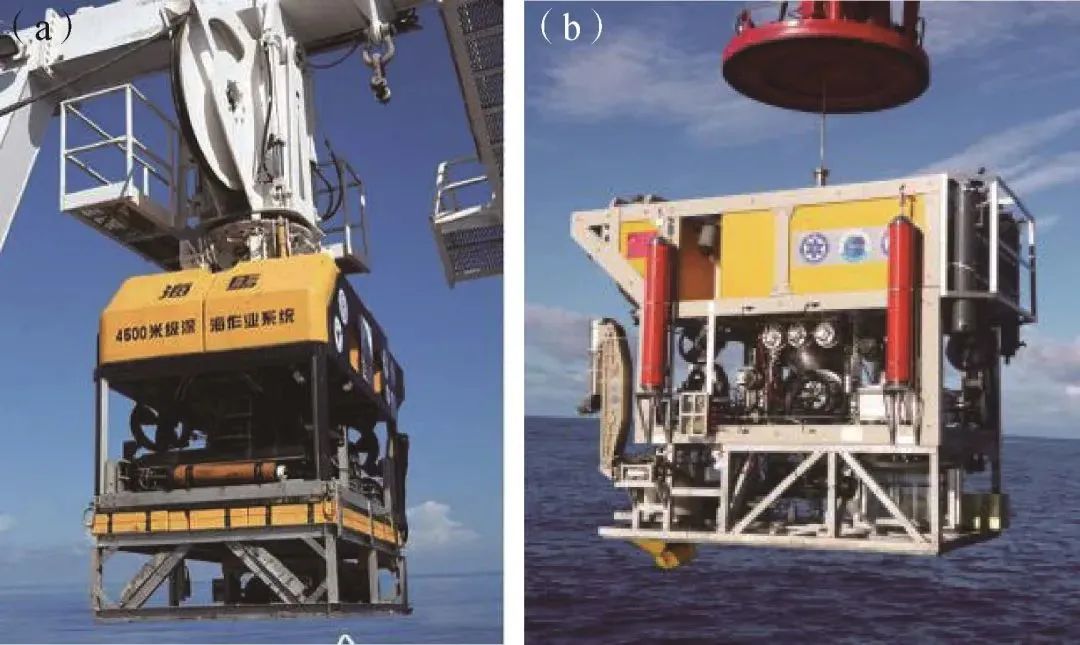
The remotely controlled unmanned submersible is controlled by a surface mother ship. It has sufficient energy and strong operating capabilities. It is an important force in deep-sea engineering operations. This equipment has achieved remarkable results in tasks such as submarine pipeline inspection and mineral sampling. Autonomous underwater vehicles navigate on their own with pre-programming. The "Exploration 1000" developed by China completed observations in the Antarctic waters, confirming its potential for application in the polar environment.
Breakthroughs in equipment remoteization and localization
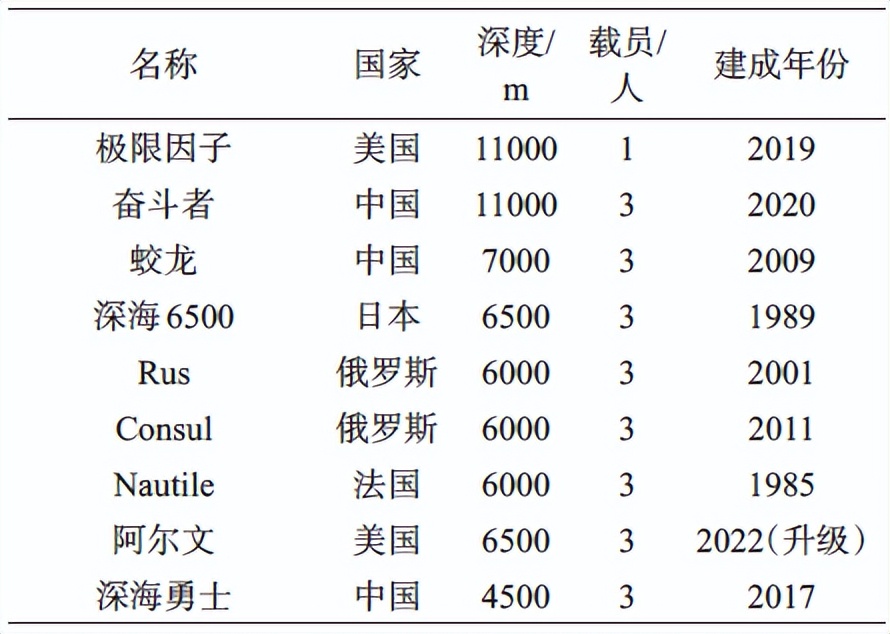
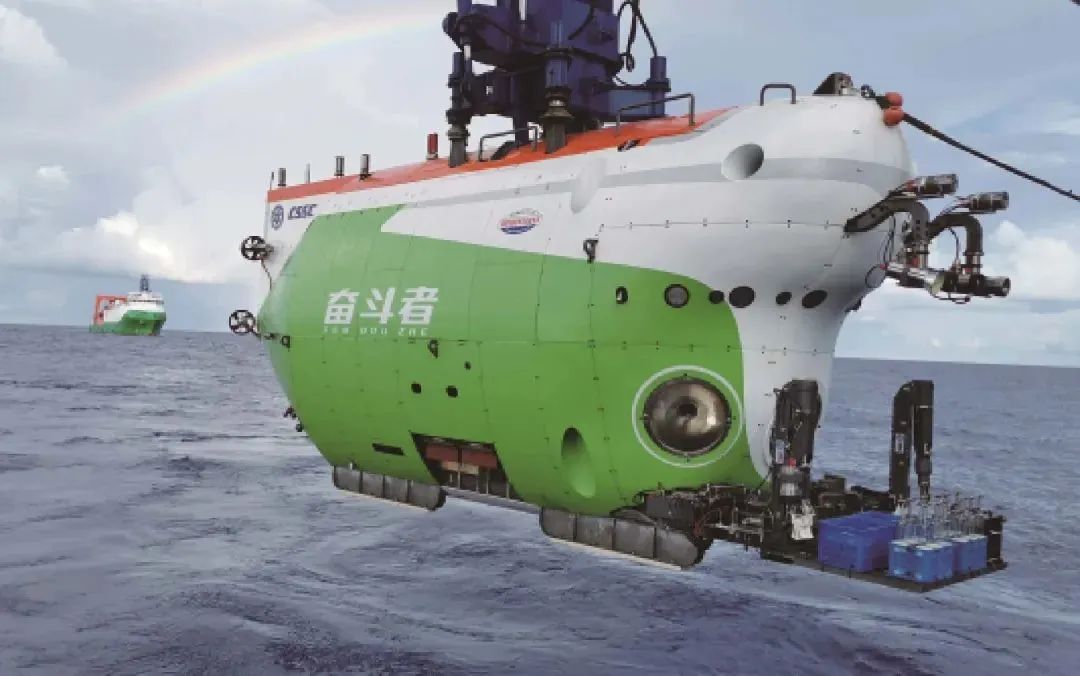
The core of the challenge is to improve the endurance of underwater equipment. The research direction focuses on high-density batteries, the use of ocean energy to generate electricity, and optimizing the shape to reduce drag. In 2017, the "Deep Sea Warrior" manned submersible was put into use. China has achieved landmark results in the autonomy of deep-sea equipment. Most of the components of the submersible are domestically produced and can dive to a depth of 4,500 meters.
Development of large-scale deep-sea manned platforms
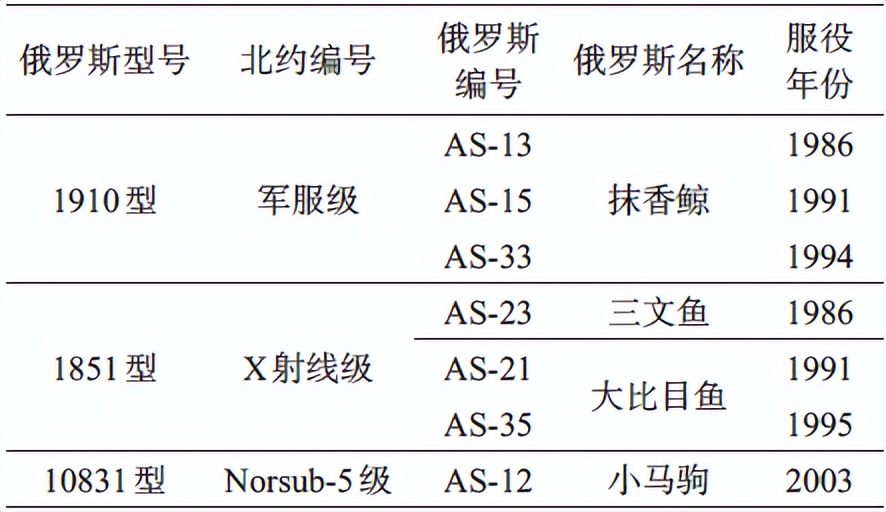
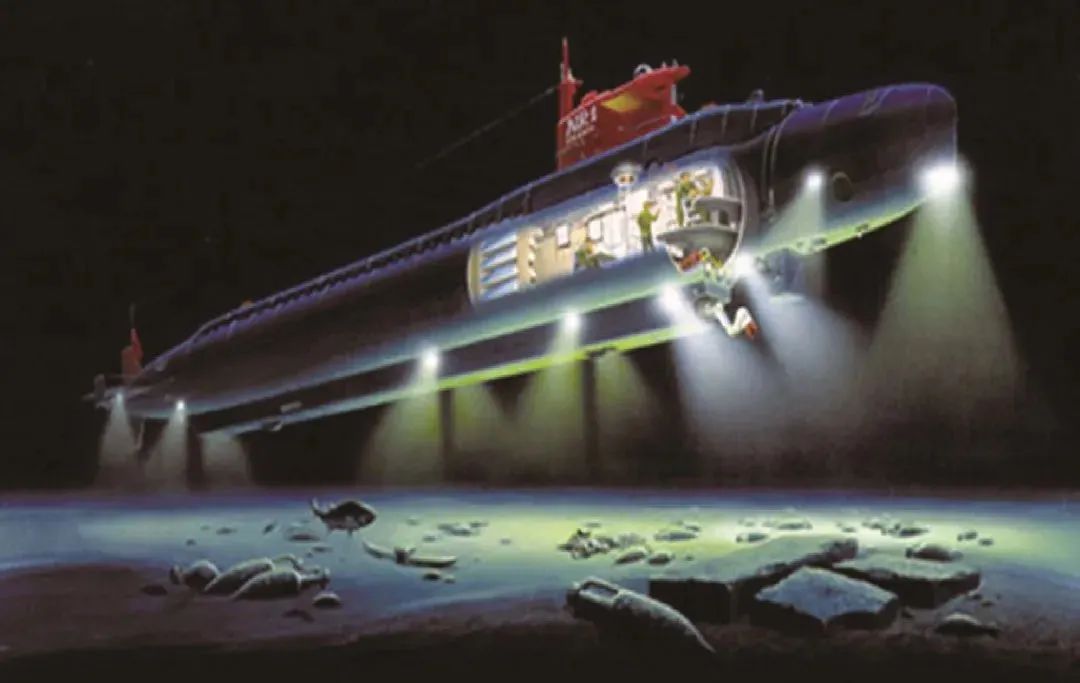
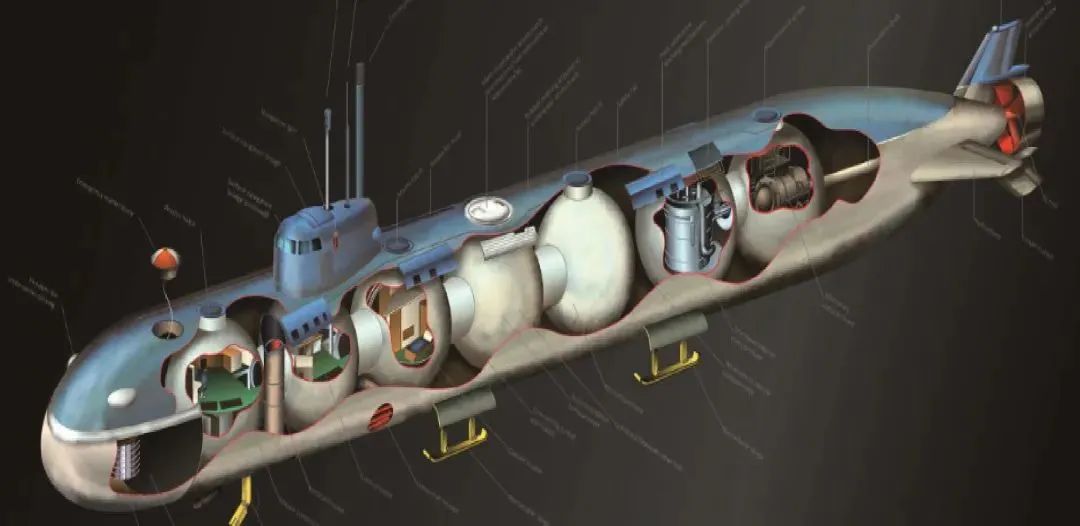
In the early part of the last century, many relevant countries have begun to develop and build manned platforms that can continue to operate on the seabed for a long time. These manned platforms have a displacement of close to a thousand tons and use nuclear power plants. They have the relevant capabilities to perform various military and civilian tasks in ocean areas with a depth of several thousand meters. They have fully demonstrated the corresponding technical capabilities of complex system integration that can extend various human activities to this specific area of the seabed for a long time.
Dimensions and leaps of future technological development
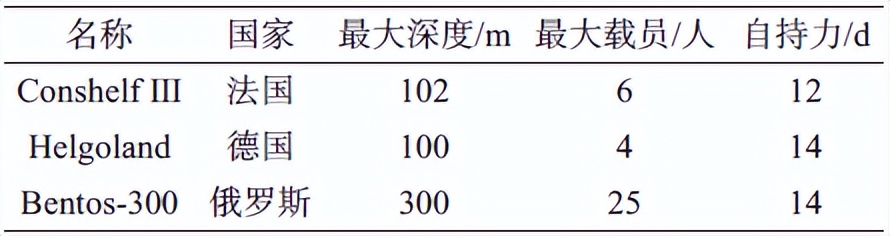
In the future, deep-sea technology will expand in five directions: first, from surface support to permanent presence on the seabed, then from short-term operations to long-term duty, then the equipment's power and load capacity will be greatly improved, and finally, the scope of operations will be expanded from point to surface. Moreover, the form of technology will also achieve three leaps: first, it will transform from small-scale facilities to large-scale platforms, then it will transform from single operations to cluster-type collaboration, and finally, it will transform from remote control on the surface to the integration of human-machine intelligence underwater.
Multi-platform collaboration and cutting-edge challenges
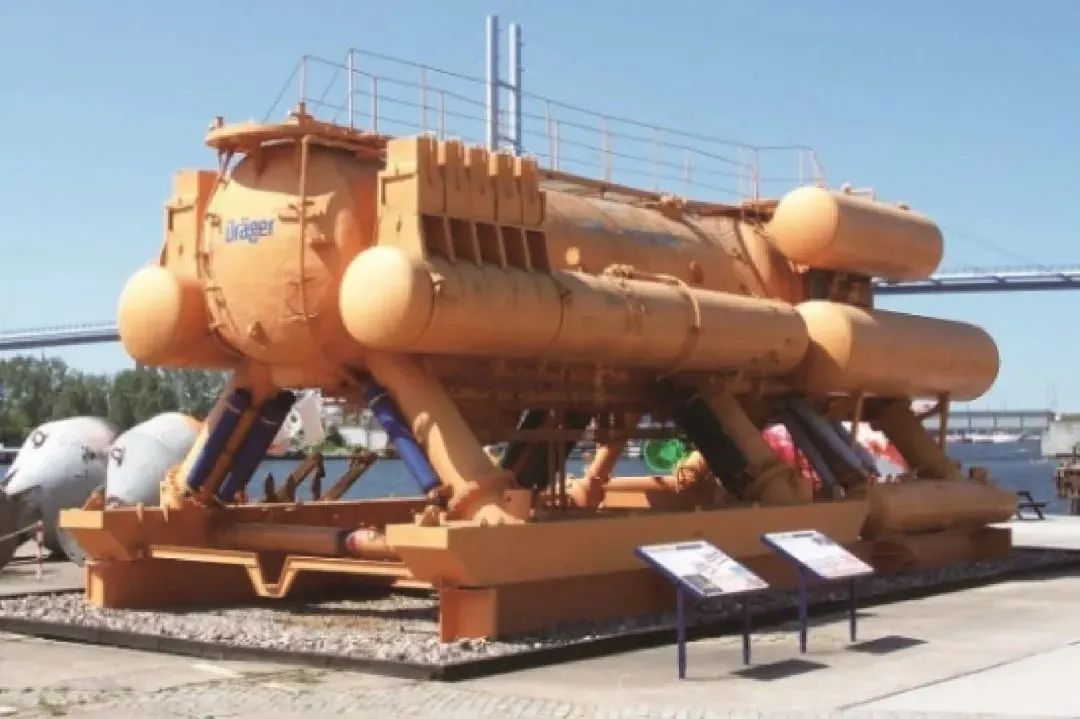
In the future, underwater development will rely on multiple types of equipment to be carried out collaboratively. In this way, surface ships or unmanned swarms will be used to assist in large-scale preliminary exploration. Later, when detailed operations are performed, deep-sea workstations will be used to control various robots. However, in order to achieve these ideas, we still have to break through the difficulty of safe manufacturing of large structures under thousands of meters of sea water, and we also have to overcome basic science and engineering problems in areas such as high-density energy systems suitable for extreme environments.
From long-term seabed observation stations to 10,000-meter manned deep dives, deep-sea exploration technology is undergoing profound changes. Among the many development directions of deep-sea equipment, which field of technological breakthroughs do you think will have the most fundamental impact on human understanding and use of the ocean? Welcome to share your views in the comment area, and please like and support this article.