
Apple computers, often regarded as benchmarks, are not perfect in all aspects in actual experience. Especially in the software ecosystem and specific existence and use scenarios, its shortcomings are quite obvious.
The real dilemma of software ecology

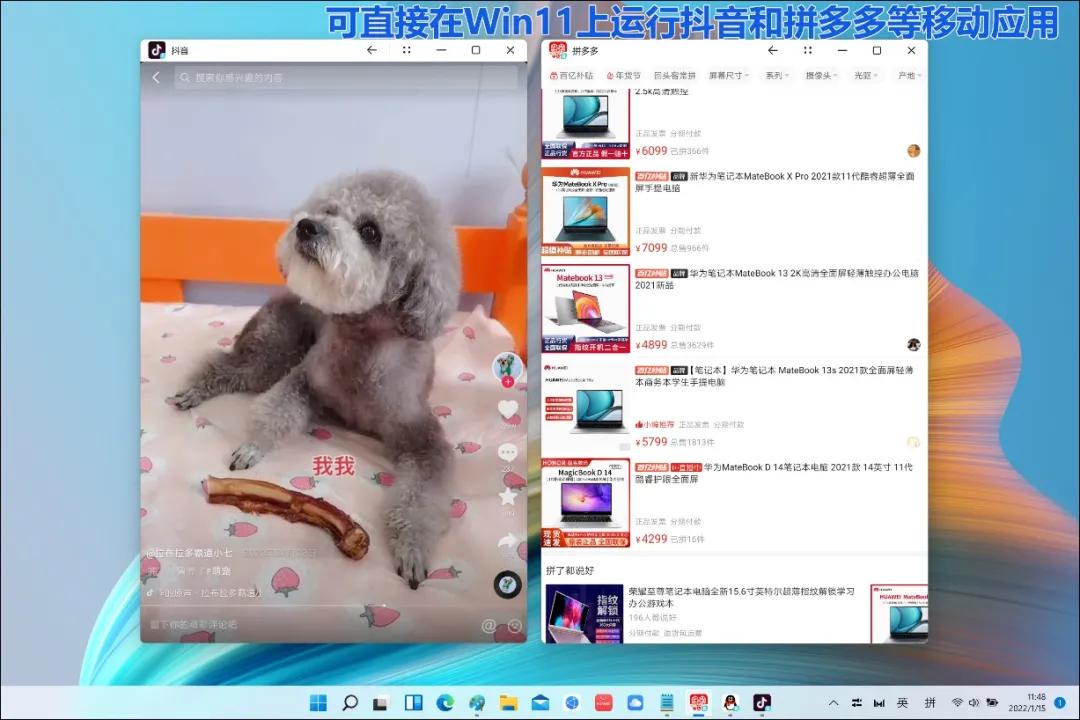
For most users in China, the macOS app store seems unfamiliar. Many daily software that are very familiar on Windows can either not find official versions here, or the versions are old and slow to update. For example, some world-famous compression tools or universal video players have Mac versions that either lack functions or have terminated maintenance, causing a lot of inconvenience to users.
The current lack of software makes it difficult for ordinary users to find a suitable tool. Every search and adaptation of software is likely to be accompanied by compatibility-related issues or learning costs, and such a process is not friendly to non-professional users. This, in turn, has a direct impact on the universality of macOS as the workhorse system on a daily basis.
Differences and confusion in operational logic
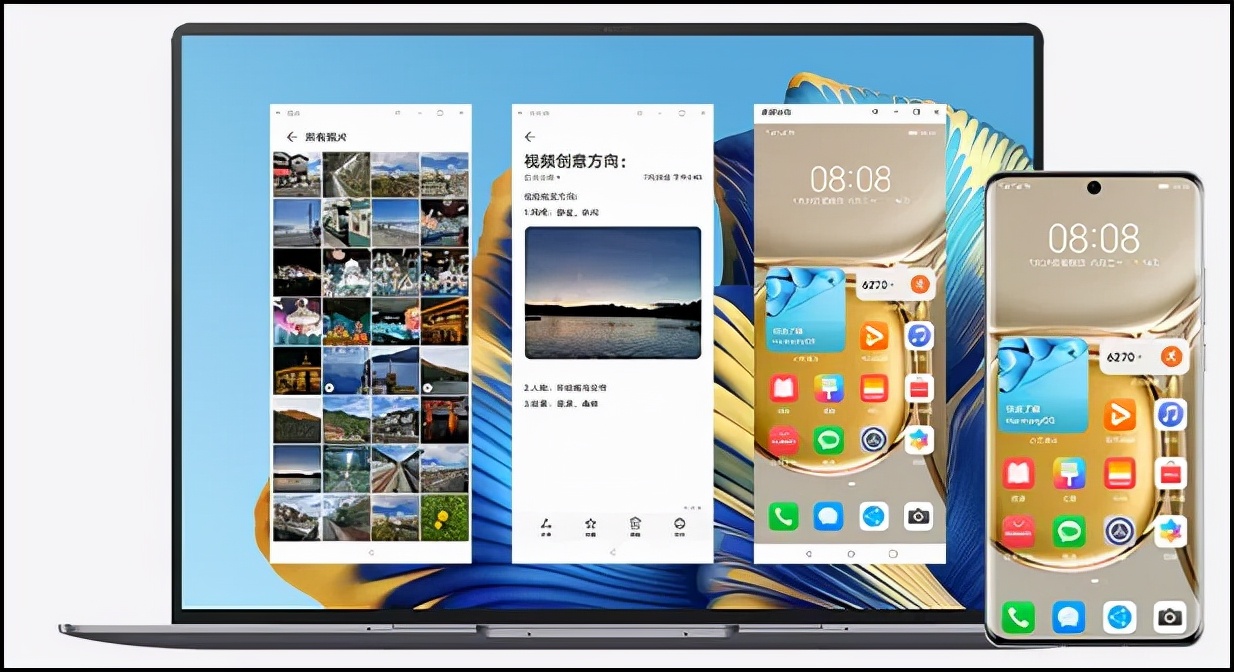
If you have used Windows for a long time, you will notice an obvious operational gap when you first come into contact with macOS. Many basic interaction logics, such as window management and file copy and paste methods, are significantly different or even completely opposite between the two. This difference in design requires users to invest extra time to relearn and adapt.
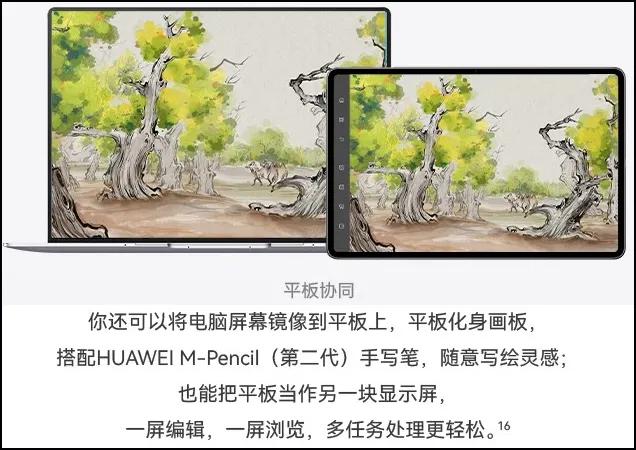
Let's talk about a specific example, that is, file management. When performing a "copy" operation in the macOS Finder, the default is to create a copy in the same location. This is different from the "copy and paste to other location" logic that Windows users are accustomed to. Such differences in detailed design often cause new users to feel quite confused, so that the efficiency becomes inefficient and the efficiency is reduced.
An objective comparison of trackpad experiences
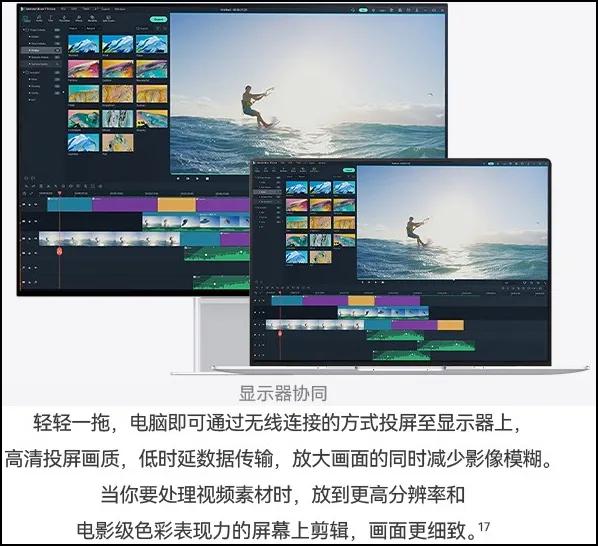
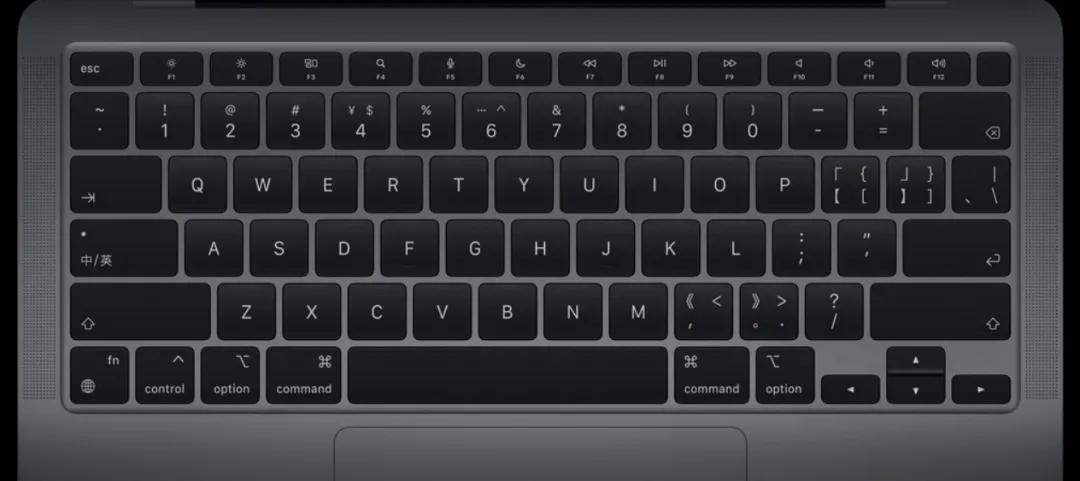
Apple's trackpad, which is highly praised for its smooth multi-finger gestures, has led to a popular view that its experience is better than that of Windows laptops in all aspects. However, this comparison often ignores the existence of many high-end models in the Windows camp. Many x86 laptops using precision touchpads have excellent hand-holding and multi-touch experience.
In fact, the quality of the trackpad experience depends mostly on the specific model, not the operating system. Many users draw one-sided conclusions without in-depth experience of high-end x86 notebook touchpads. During daily heavy use, an external mouse is still the more efficient choice in most scenarios.
Performance and application ceiling considerations
From the perspective of pure performance and breadth of applications, the combination of x86 architecture and Windows system has significant advantages, whether it is the degree of support for large-scale professional software or the performance that the hardware can achieve, especially if the considerable upgrade of the desktop platform is taken into consideration, the Windows ecosystem provides a wider and more powerful options. Although Apple's M series chips are in a leading position in the field of energy efficiency, there is still a certain boundary in terms of absolute performance and multi-tasking capabilities.
For users who are engaged in complex three-dimensional rendering work, for those who are engaged in engineering simulation work, and for those who are engaged in large-scale game development, high-performance x86 Windows workstations are still a more reliable tool. The Mac excels in some creative areas, but not in all.
Face consumption and circle culture
I have to admit that some of Apple Computer’s appeal comes from its brand image and “circle culture.” For some industries or social circles, even owning an old MacBook is regarded as a sign of professionalism or taste. It is this consumer psychology that has created this phenomenon: even if you have to use Windows for work, you must also have a Mac.
Sometimes, this choice goes beyond the actual effectiveness of the tool itself, and is more due to identity or environmental pressure. It shows how consumer electronics products are closely linked to personal social image, and is not just a comparison of functions.
Think rationally about equipment selection
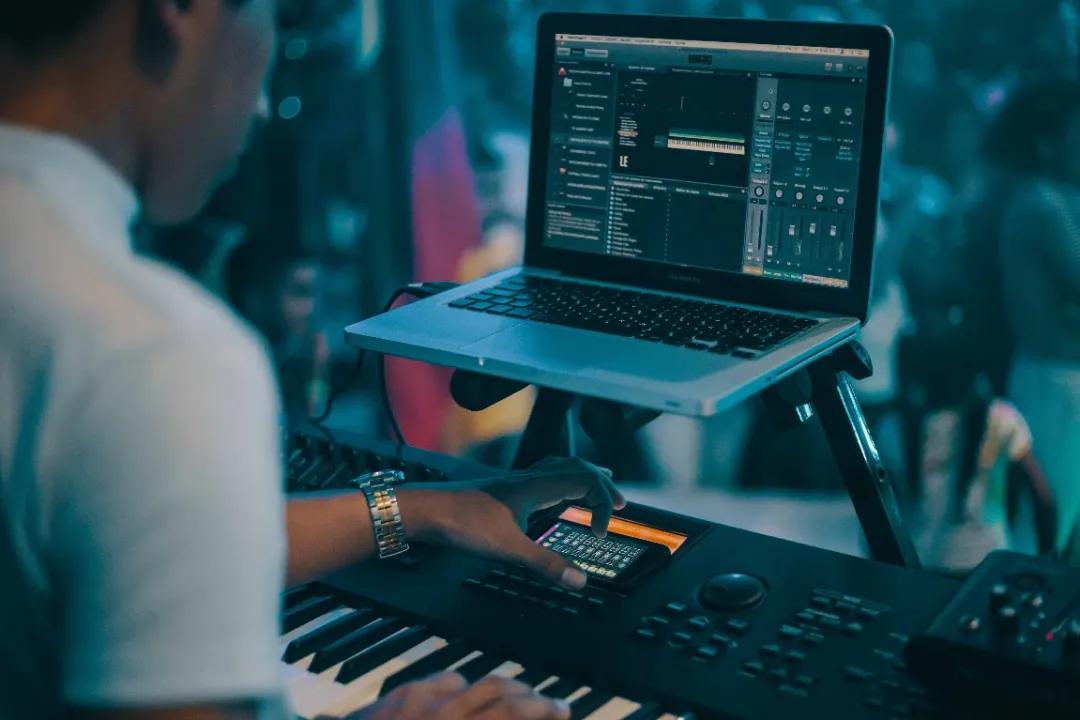
There are software crashes, design flaws, etc. Macs are not flawless. Whether they are equipped with M chips or equipped with Intel chips, they are all laptops with distinctive characteristics. Their designs are delicate and exquisite, interactions are smooth and smooth, and they are very efficient in specific areas. However, compared to most ordinary users, especially novices who lack computer knowledge, choosing the Windows system, which is more widely used and has a better understanding of the software ecosystem, is often a more down-to-earth choice and the cost of learning is lower.
Equipment is a tool that serves people. It is extremely important to make a clear judgment between "face" and "lizi", between brand halo and real needs.
Have you ever picked a product because of a certain "halo" and later discovered that it didn't quite fit your actual needs? Come and share your experience in the comment area. If you find this article inspiring, please like it to support it.