The ever-developing memory chips are gradually evolving into an extremely critical field that affects the direction of technological competition. So which companies can cleverly seize this wave of market trends? With the unstoppable explosion of demand for artificial intelligence and data centers, the memory chip industry has ushered in a business cycle that has shown a high degree of prosperity. At the same time, the capital market is also following the specific performance of related companies with a high degree of concern.
The core position of memory chips
At the core of "memory" in electronic devices is the memory chip, whose responsibility is to save data and programs. Whether it is mobile phones, computers, servers, or cars, almost all smart devices cannot live without it. The amount of global data is growing by more than 30% every year. This situation directly drives the long-term demand for memory chips.
According to industry analysis, the market size of DRAM and NAND flash memory is expected to exceed US$200 billion by 2025. As the world's largest electronic product manufacturing and consumer country, China has become a national strategy to promote independent control of memory chips, which has given domestic related companies clear development opportunities.
Main categories of storage technologies
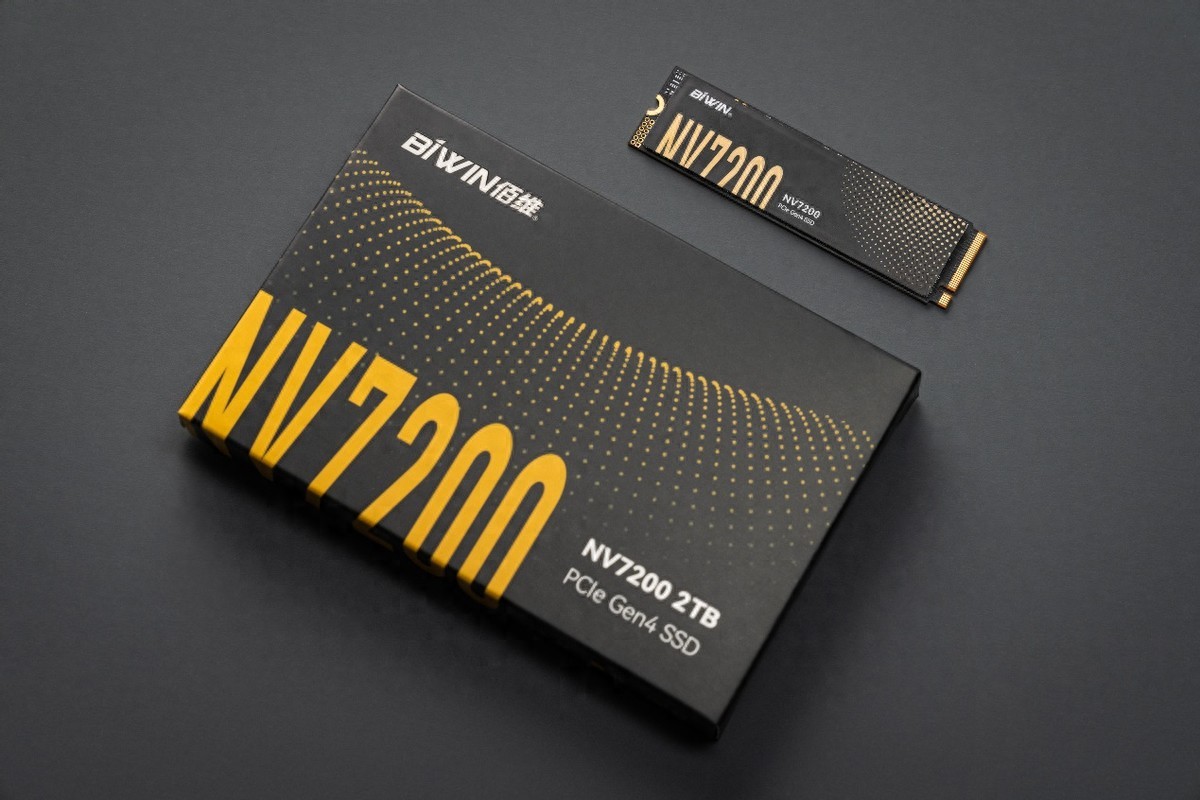
The current mainstream storage technology is divided into volatile storage and non-volatile storage. Among them, volatile storage uses DRAM as the main component. Once the power is cut off, the data will be lost. However, its read and write speed is extremely fast and is often used in memory sticks. Non-volatile storage such as NAND flash memory will not lose data after a power cut. It is widely used in solid-state drives and mobile phone storage.
Also under development are new storage technologies such as phase change memory and magnetoresistive memory, which aim to break through the speed and power consumption bottlenecks of existing technologies. Understanding the differences between these technologies is the basis for judging different companies' product lines and market prospects.
Industrial chain and business model
The memory chip industry chain consists of design, manufacturing, packaging and testing, and module manufacturing. There are high technical barriers in the design process, and the capital investment required in the manufacturing process is huge. The investment amount of an advanced production line can reach tens of billions of yuan. Domestic companies currently have corresponding layouts in each link, but their capabilities and development stages are different.
In terms of business model, the IDM model is a model that integrates design and manufacturing, such as Samsung and Micron. There is also a design plus foundry model, which is an asset-light operation. Most domestic companies belong to the latter model, but these companies are also extending upstream and downstream of the industrial chain in order to enhance their competitiveness and ability to resist risks.
Market structure and competition situation
Three companies dominate the global memory chip market. These three companies are Samsung, SK Hynix and Micron. This has been the case for a long time and their combined share exceeds 90%. This highly concentrated pattern has caused significant cyclical fluctuations in the market. Prices are greatly affected by the giants’ production capacity adjustments. Chinese manufacturers are struggling to break the monopoly and strive to increase self-sufficiency.
Starting from 2025, due to the recovery of consumer electronics and the sharp increase in demand for AI servers, storage prices will enter an upward trajectory. This has led to an improvement in the profitability of companies in the industry, a significant increase in the capital market's attention to related stocks, and an increase in stock price activity.
Sorting out domestic core enterprises
According to public information available, there are more than 60 companies involved in memory chips in the A-share market. Among them, Montage Technology is a global leader in the field of memory interface chips; Beijing Junzheng has a complete memory product line after completing the acquisition of Beijing Silicon; GigaDevice is the leading company in NOR Flash memory in China.
In the storage manufacturing and equipment links, Yangtze River Storage and Changxin Storage are important forces, and their related supply chain companies such as Northern Huachuang and Micron have also attracted much attention. In addition, companies such as Guoke Micro, Netac Technology, and Xiechuang Data also have in-depth layouts in specialized subdivisions.
Investment logic and risk warning
When investing in the concept of memory chips, you need to pay attention to technology iterations, supply and demand cycles, and the process of domestic substitution. At the technical level, the number of stacking layers is increasing and the interface speed is improving, which is a development trend. At the supply and demand level, it is necessary to track the production capacity planning of major manufacturers and pay attention to changes in terminal demand, especially the pulling effects of AI and automotive electronics.
Risks still exist because the industry is highly cyclical, which can lead to large fluctuations in performance, and changes in international competition and policies may also bring uncertainty. Investors should conduct in-depth research on the company's proportion of specific business, as well as its technical strength and customer structure, in order to avoid conceptual hype.
Within the process of domestic substitution under the general trend, which type of memory chip company do you think is the most promising to achieve technological breakthroughs and achieve market supremacy? You are welcome to share your personal opinions in the comment area. Even if you feel that our analysis is indeed beneficial and effective, please like it and support it.