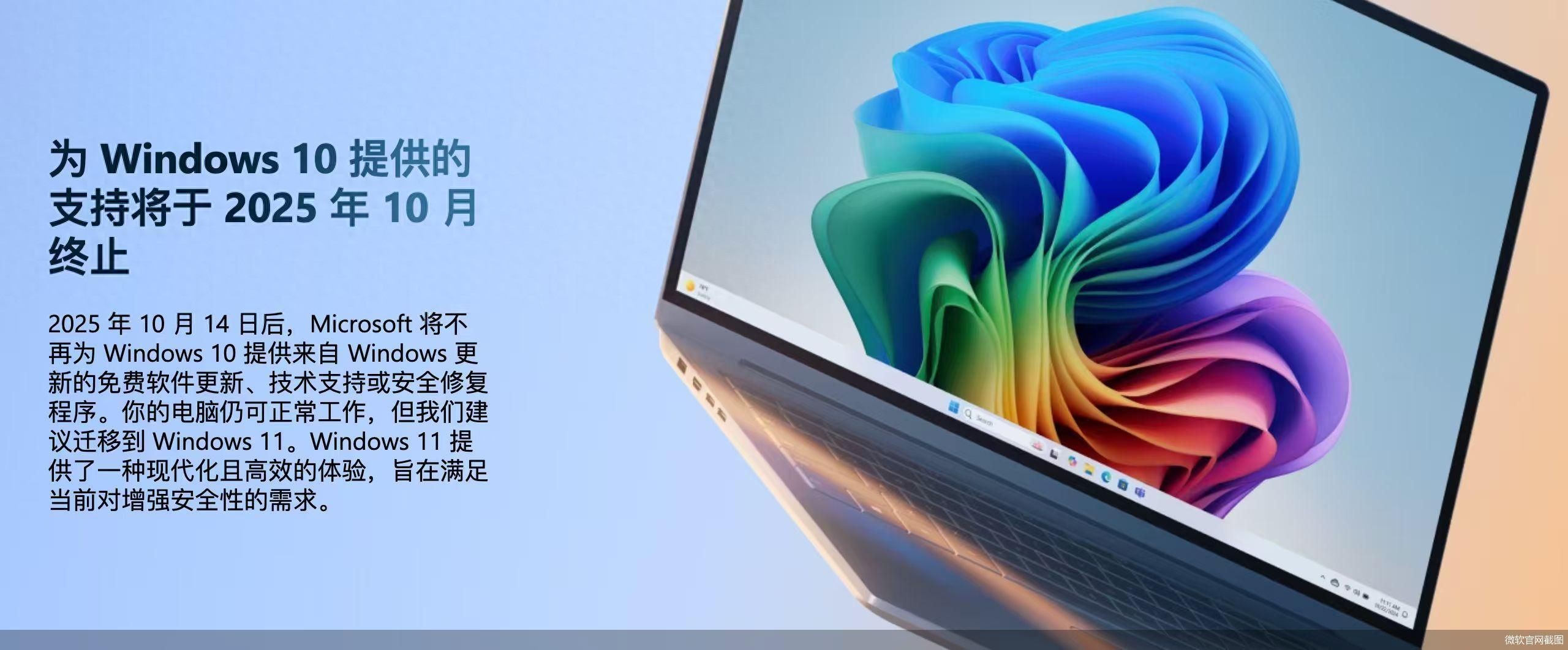
Microsoft announced that it will stop official support for Windows 10 on October 14, 2025. This decision will affect hundreds of millions of computers around the world. For those device users whose hardware conditions do not allow them to upgrade to Windows 11, they are facing a practical and difficult choice.
What does stopping mean?

Once Microsoft's official support ceases, it means that these computers will no longer receive any security updates, there will be no regular patch repairs , and known vulnerabilities in the operating system will always exist. This is equivalent to allowing computers to "run naked" on the Internet, making them extremely easy targets for hackers and malware attacks.
Even if the normal basic functions of the computer, such as booting up and running the software MBTI free test , will not be affected in the short term, in the long run, the system will slowly become fragile and unstable. For users who deal with sensitive information or are involved in online transactions, such risks are unbearable.
Users’ real dilemma
Many users' computers have been officially judged unable to be upgraded to Windows 11 due to limited hardware conditions, such as old CPU models or lack of TPM security chips. This is not because users are unwilling to upgrade, but because the technical threshold blocks them from the door. Student parent Liu Feng's purchase of a new computer for his child is precisely the manifestation of this dilemma.
There are some users who know the risks of stopping the service, but have no current plans to upgrade. As a result, they are very likely to encounter "punitive" costs in the future. Research conducted by International Data Corporation shows that there are some small and medium-sized enterprise customers who are aware of the service outage plan, but are slow to act. This delay in replacement will lead to higher procurement costs and a more tense supply chain situation when equipment is intensively updated in the future.
Official paid renewal option
Microsoft provides a paid plan for individual users, called "Extended Security Updates." Users can redeem points with points, or directly pay a fee of about $30 to purchase them. This service actually provides a temporary security buffer period for users who cannot upgrade immediately.
In any case, this paid service only provides critical security updates and does not cover any new features, nor does it have performance optimization, nor does it have official technical support. It is like a "basic medical insurance" that can only deal with the most urgent security threats, but cannot make the system look new or provide long-term protection.
Business opportunities for security vendors
The security blank area created by the operating system out of service has created a huge market opportunity for network security companies. For example, domestic security company Qi Anxin has launched targeted protection measures, claiming to be able to provide security protection for Windows 10 devices of government and enterprise users without system replacement.
The most critical idea of such security solutions involving third parties is called "external reinforcement." They rely on threat detection and response mechanisms built externally to fill in the imperfect situation of lack of patches within the system. This is an important transitional option for large organizations that have a large number of old equipment and the cost of upgrading is extremely high.
Promote hardware updates and replacements
There is no doubt that Microsoft's move will directly stimulate the global demand for PC hardware replacement. According to estimates, there are about 240 million devices around the world that are at risk of becoming obsolete because they cannot be upgraded. This will definitely bring a clear replacement cycle to computer manufacturers and retailers.
For the entire PC industry chain, starting from chips, through memory, to complete machine assembly, all will benefit from this large-scale equipment replacement. Consumers' replacement behavior will directly lead to changes in sales data in relevant markets, thereby creating a hardware consumption boom triggered by the termination of software services.
The window period of domestic operating systems
The withdrawal of Windows 10 from the market has, on an objective level, given a very rare market opportunity for the development of domestic operating systems. Domestic manufacturers such as Tongxin UOS and Kirin Software are actively improving their own ecology and spending their efforts to replace Windows in many fields such as government affairs, finance, and education.
Security manufacturer 360 stated that this incident will accelerate the migration process of government and enterprise users towards localization, get rid of dependence on a single foreign operating system, and improve the independent controllability of information technology. This has become a strategic choice for many institutions and enterprises. Whether domestic systems can use this opportunity to expand market share is a key aspect in the future.
Faced with the security and cost challenges caused by the discontinuation of Windows 10 service, what do you think is the most pragmatic choice for ordinary home users? Should you pay for security updates, replace your computer entirely with a new one, or consider switching to another operating system? Welcome to share your views in the comment area. If you find this article helpful, please like it to support it.