In the current retail market, as homogeneous competition has become increasingly fierce, it is no longer sustainable to rely solely on a single model to develop the market. Under this situation, fashion brand collection stores are trying to implement in-depth changes to face the changing needs of consumers and the fluctuations in the overall market environment.

Market changes behind concept stores
In recent years, physical retail has encountered great challenges, especially those markets that rely on tourists for consumption. Hong Kong's retail industry has suffered setbacks in the past due to lower numbers of mainland tourists, which has forced brands to rethink their strategies. It chose to launch a new concept store at this time, which is a direct response to market changes. Its purpose is to attract local customers through innovative experiences, thereby reducing dependence on a single customer source.
This adjustment is not limited to the store format. At the same time, the company has streamlined its business in some regions and even closed some stores with poor profitability. However, while shrinking, it is also looking for new expansion opportunities, such as opening new concept stores in Hong Kong's core business districts. This strategy of adding in and out shows the brand's way of seeking breakthroughs in adversity.
Dynamic adjustment of brand portfolio
In the category of buying handmade collection stores, one situation is that the brand of the product constitutes its core competitiveness. Whether it is a high-end collection store or a store targeting young people, there is a need to constantly update the brand library. At present, there is such a situation that it has cooperated with more than 300 international brands, and behind this number is a continuous process of screening and introduction.
Changes in consumer group preferences are the main basis for adjustment. Millennials and younger consumers are very sensitive to trends and pursue personalization and diversification. Their preferences serve as an important indicator of brand adjustment, prompting stores to continuously introduce fresh elements and eliminate brands that are no longer favored, thereby maintaining differentiation advantages from competitors.
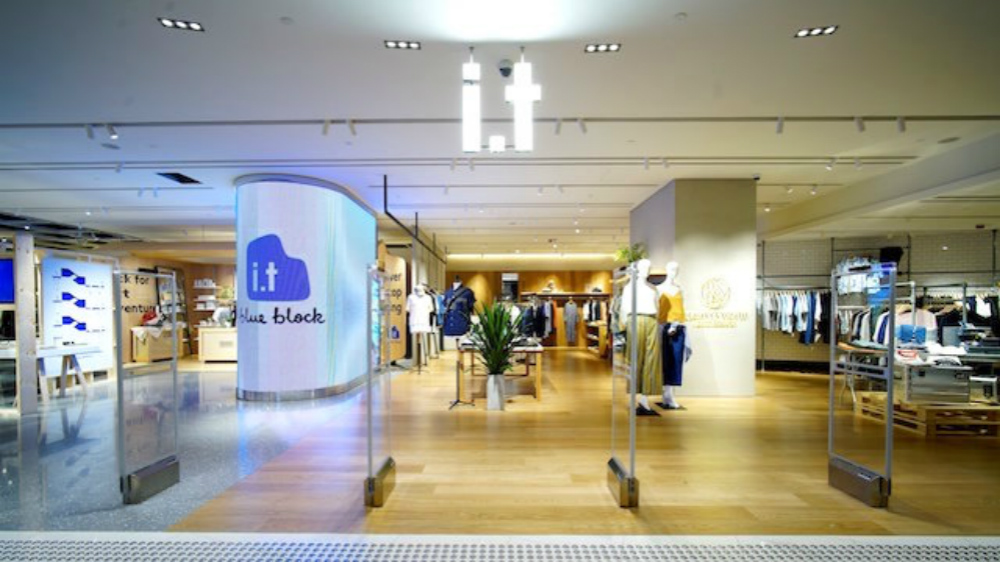
From Japanese dominance to Korean Wave following
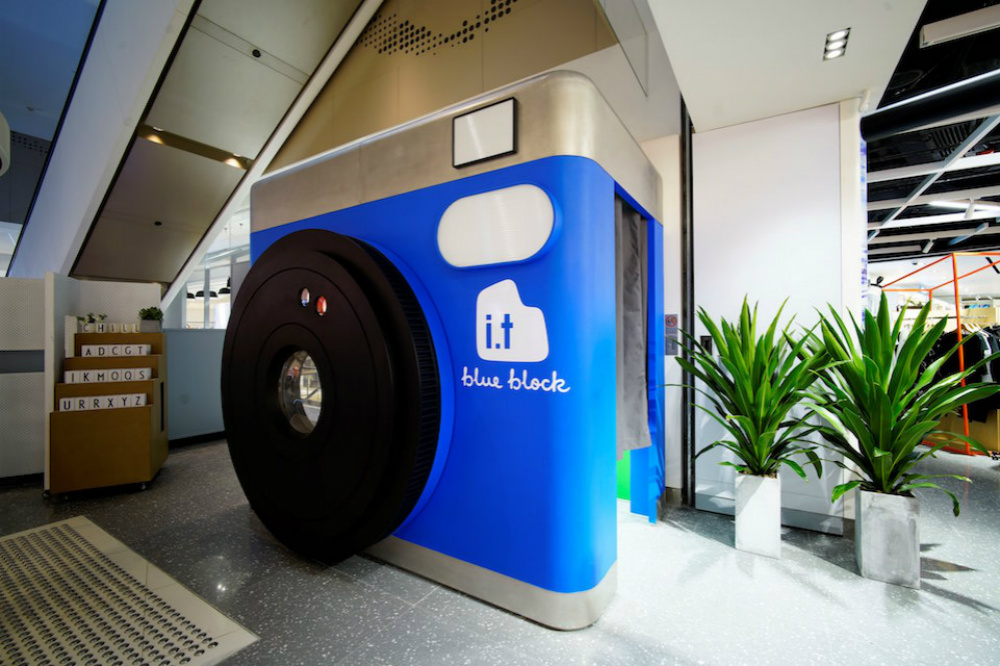
In the past, Japanese brands accounted for the vast majority of the brands represented by this collection store, which was related to its early market positioning and consumer preferences. However, the market trend is changing. In recent years, the influence of Korean fashion and culture among young consumers has increased significantly, and brand style has also received more attention.
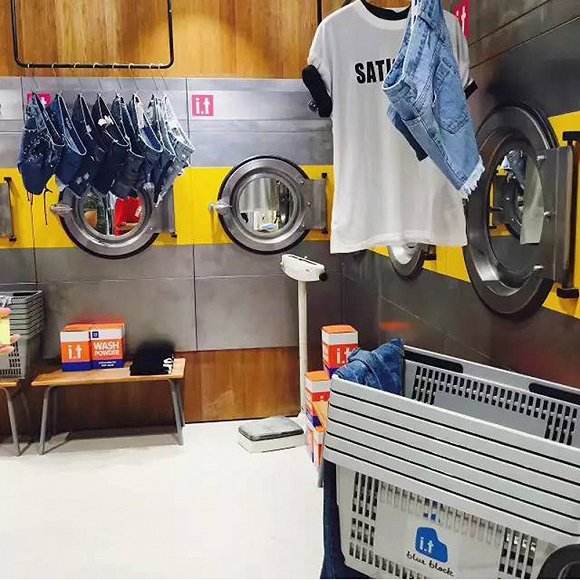
In view of this, the store has made a significant tilt in the brand introduction strategy, and is more inclined to follow Korean brands and styles. This change is not only reflected in the products, but also in the overall atmosphere of the new concept store, which also draws on the decoration style of popular Korean stores, hoping to be closer to the aesthetic taste of today's young customers.
Space function and experience upgrade
First, the core change of the new concept store lies in the redesign of the space function. Second, it is no longer just a place for product display and sales. Third, it incorporates more experience and social elements. Fourth, for example, the concept store in Hangzhou specially set up a comfortable rest area. Fifth, the purpose is to provide waiting space for men who accompany shopping. Sixth, it extends the time for female customers to stay and make purchases.
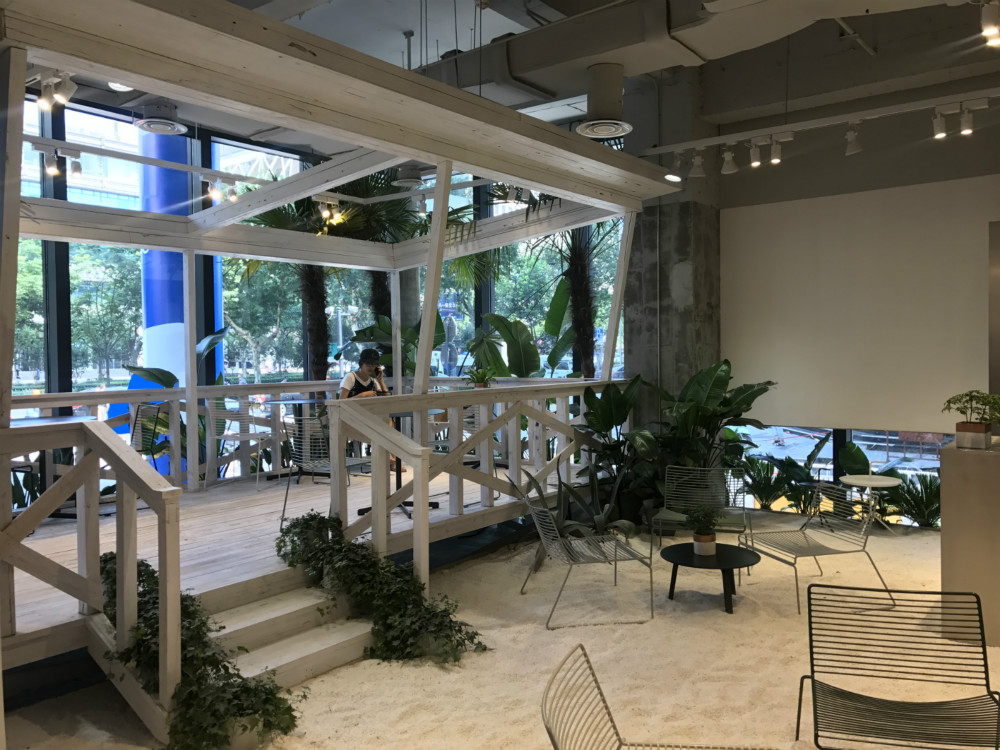
In the future, this kind of experience upgrade will be further developed. In Hong Kong and subsequent concept stores, we plan to introduce catering areas. The purpose of opening an in-store restaurant is to provide more diversified services, increase the length of time customers stay in the store, create more consumption opportunities, and transform shopping behavior into a complex leisure activity.
Themed displays and regular updates
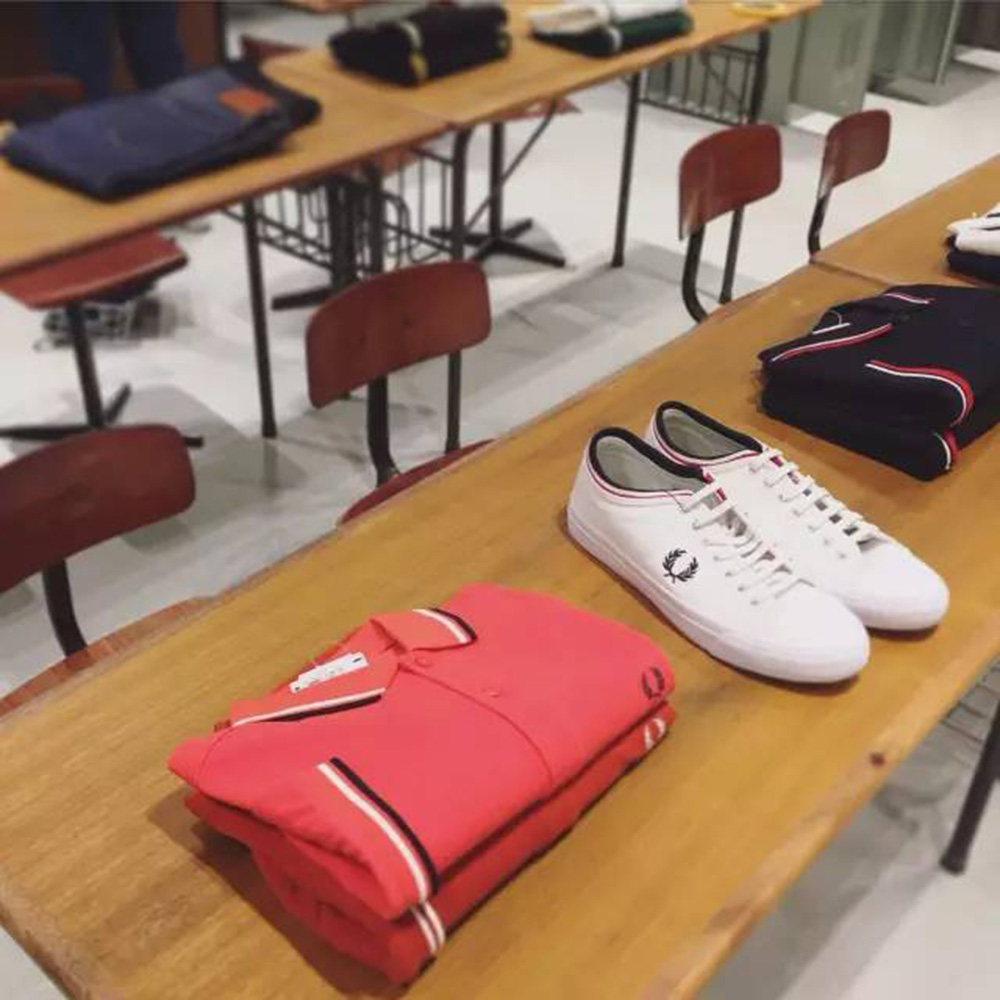
In order to keep the store fresh, the concept store uses thematic display and regular decoration strategies. The store will select a few specific brands and highlight them with unique decorative styles. For example, it may collaborate with a well-known brand to create a limited-time themed design area, but these settings will not always remain unchanged.
Some overseas cutting-edge collection stores have a practice of changing the theme and some products in the store monthly or regularly, and there are successful precedents for this. This approach can encourage the store to continuously create topics, thereby attracting customers to come to the store repeatedly to explore. Although this operating model is not the first of its kind in the industry, there are few retail brands in the Chinese market that can implement this approach on a large scale and in a systematic manner.
Offline deep cultivation and online shortcomings
The group's superior resources have long been concentrated on its physical retail network, so most of its innovative initiatives are centered around offline stores. From the launch of concept stores to the upgrade of in-store experience, both are in-depth exploration and reshaping of the value of offline channels, and attempts to consolidate the advantages of physical stores amid the impact of e-commerce.
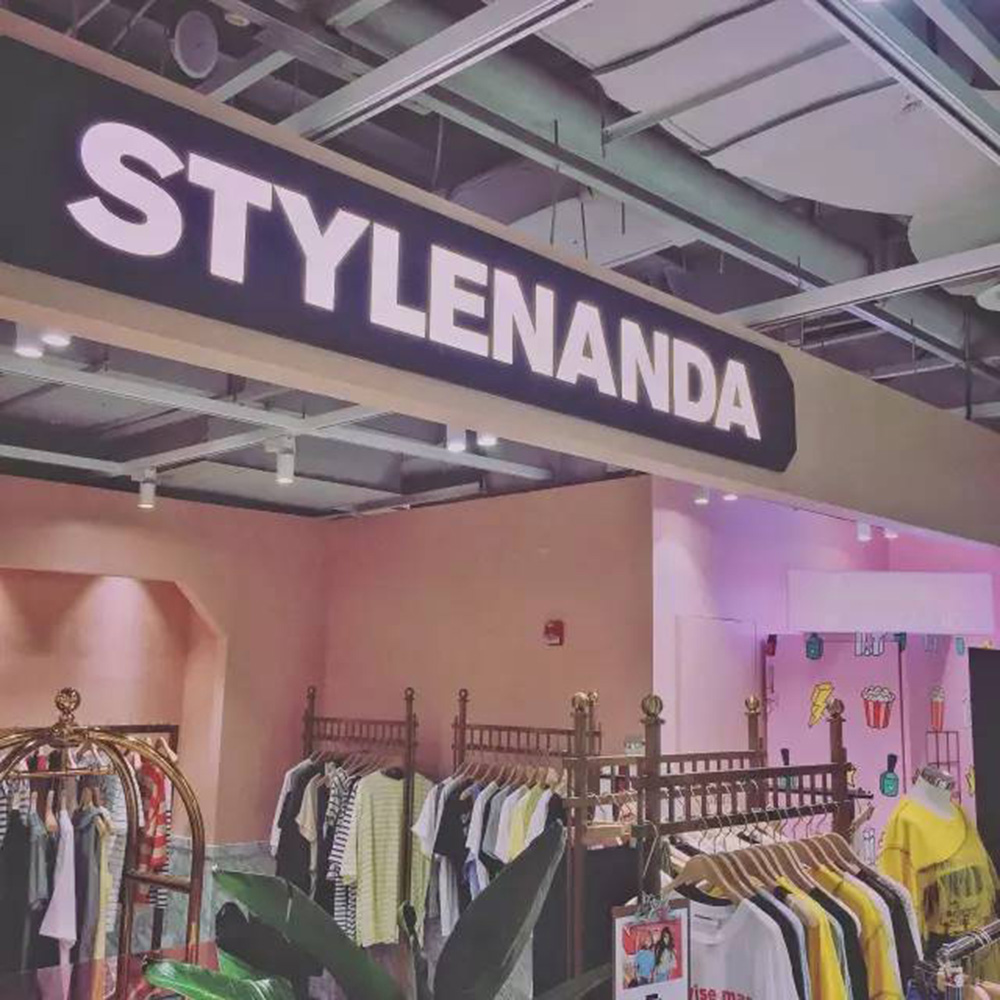
In comparison, the presence and influence of its brands in online channels are relatively weak. Now that digital shopping has become the norm, how to make up for the lack of online and achieve integrated online and offline operations is an important issue faced by brands. It is probably difficult to cover a wider range of consumer groups just by optimizing the offline experience.
In the face of the ever-changing retail environment, do you think the core competitiveness of collection stores in the future is the irreplaceable offline experience, or the omni-channel capabilities that seamlessly integrate online and offline? Welcome to share your views. If you feel this article is inspiring, please like it to support it.