
Against the background of the wave of AI technology sweeping the world, there is a phenomenon that can cause people to think deeply, that is, when the infrastructure is becoming more and more perfect day by day, the fruits of innovation always seem to be picked up by existing giants, while it is difficult for emerging forces to break through the soil and grow.

The resource paradox of large companies
Giants like ByteDance have invested huge sums of money in the field of AI, as well as top talents. The establishment of its AI laboratory is regarded as a strategic investment. The purpose of this investment at any cost is to build a technological moat. However, the accumulation of resources is not directly equivalent to disruptive innovation. Large companies have complex internal processes and inherent business focus, which sometimes hinder the emergence of "accidents" that jump out of the framework.
The unexpected breakout of startups
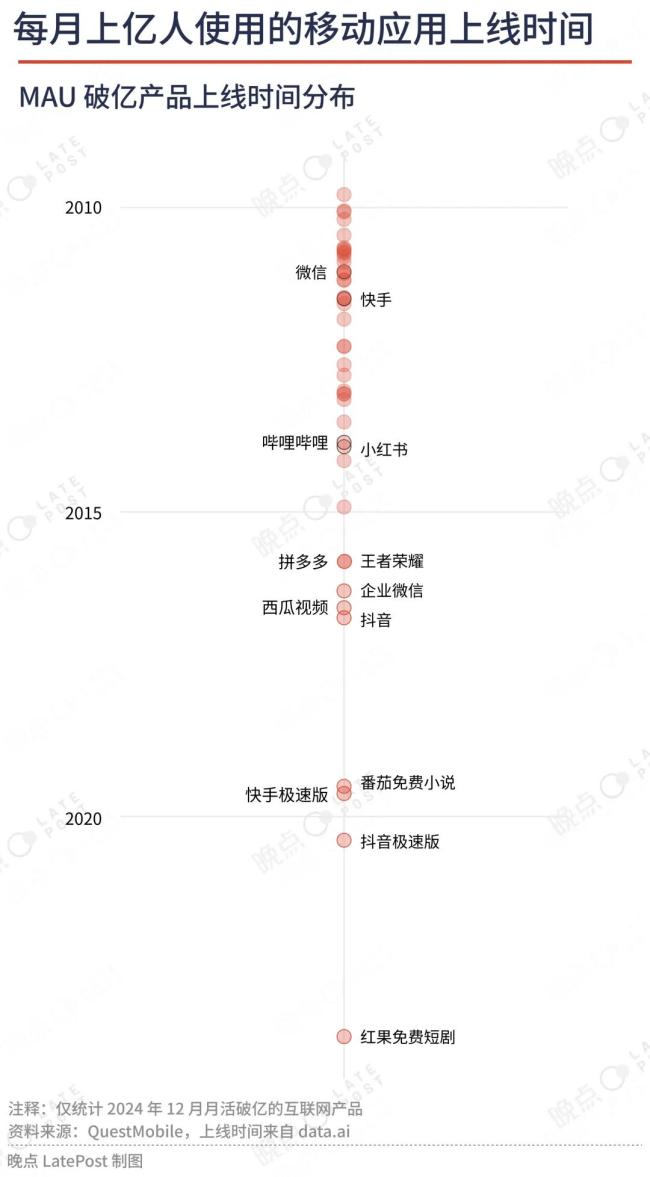
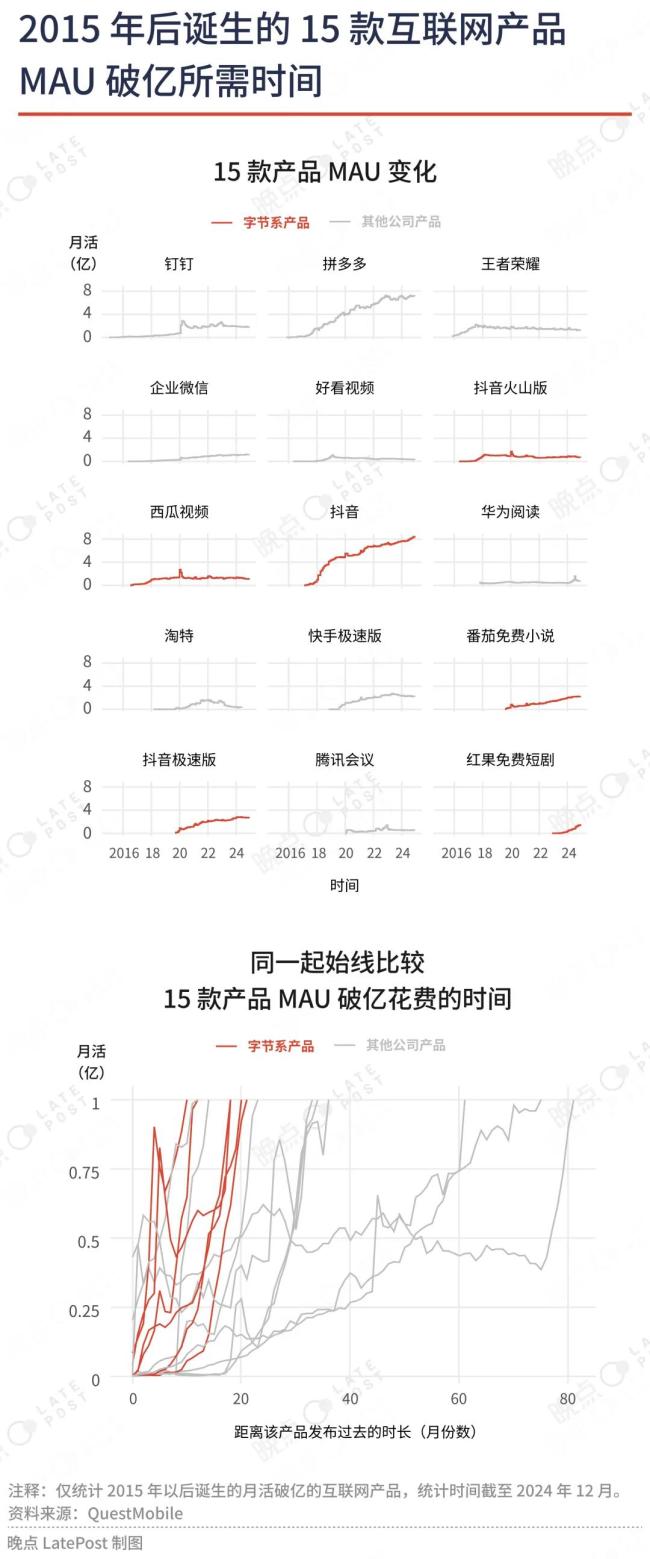
The rise of Pinduoduo is a typical case. In an environment where the e-commerce landscape seemed to be solidified after 2015, Pinduoduo achieved an explosion in user scale by relying on social fission and precise cost-effective positioning. This proves that in mature markets, startups can still find opportunities by tapping into neglected needs or adopting new models. Their success does not stem from the leadership of technical infrastructure, but more from the victory of business models and user insights.
The growth flywheel logic of giants
For those platforms that have already established advantages, the key internal logic is to start and further amplify the flywheel of growth. Take Byte, for example, it has accumulated a large number of users and traffic with a series of products such as Douyin, and then directed these resources towards new markets such as e-commerce and local life. Guide new businesses and then build a cycle. Such an operating mechanism can be extremely efficient when expanding existing business territory, so that those large enterprises can realize the transformation from latecomers to first movers and develop rapidly after looking at the selected track.
The homogenization challenge of AI applications
Under the current market conditions of AI applications, whether it is bean bags or other products, many functional experiences tend to be homogeneous. Although the company has invested a lot of money in attracting new users, the increase in the number of users has not naturally led to a significant improvement in model capabilities or network effects. When there is little difference in the capabilities of the underlying models, users are particularly likely to migrate due to subtle experience differences or novelty. In this way, the strategy of simply burning money in exchange for market will have very limited effect.
Open source model lowers the threshold for innovation
Nowadays, models such as Stable Diffusion and Llama are widely praised for their excellence and surpass many of their peers. Their open source actions have greatly reduced the slowdown and relaxed the threshold for entrepreneurship. This allows startups to obtain model capabilities close to those of large companies at a relatively low cost, allowing them to focus more on product innovation and vertical scenario mining. This situation has changed the rules of the game so that innovation is no longer controlled by a complete monopoly on computing power and data scale.
The future depends on scene innovation
Whether AI can really penetrate and subvert the existing pattern, the focus is not on the popularity of technical infrastructure, but on whether there is a "killer application" that can define new scenarios. This requires participants to think beyond imitation and traffic, and go deep into specific industries and daily life to solve real and subtle pain points. Whether a large company is incubating internally or a startup company breaks through, the one who wins in the end will be the scene definer.
In this period when AI technology appears to be "equal" on the surface, which specific industry do you think the next emerging force that can challenge the giants is more likely to emerge from, or which life scenario is it likely to emerge from? Please share your observations in the comment area.