MC P ecology is expanding at an unprecedented speed! There are thousands of servers of all kinds and various tools, causing those who are dedicated to research and development to face the difficult problem of making a choice. However, in this chaotic situation, there are also resource platforms with high-quality features that can help you navigate in an efficient manner.
MCP official open source project
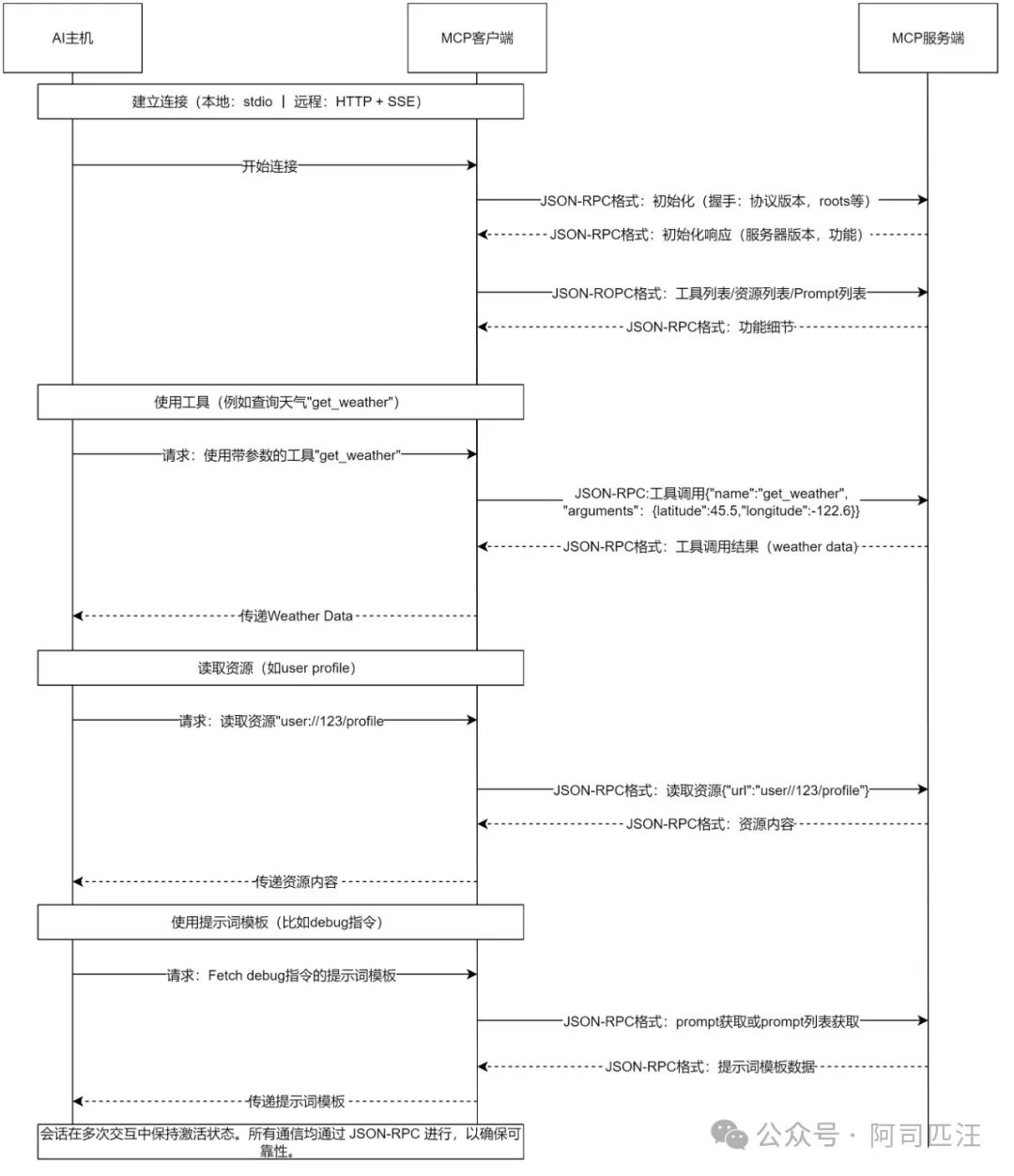
The core database of the MCP protocol is officially maintained and is under the modelcontextprotocol organization of GitHub. This not only provides protocol specification documents, but also covers SDKs and sample codes for multiple programming languages. For beginners, the official example is the most direct way to understand the MCP communication model, and it can help you build your first adapter quickly.
It allows developers to learn the standard implementation methods of server and client. For example, by referring to the code of python-mcp or typescript-mcp library, they can know how to handle core interactions such as tool calling and resource reading. They can also pay attention to the updates of the project and know the iterative dynamics of the protocol itself at the first time.

Resource indexing and classification platform
Projects such as "awesome-model-context-protocol" use the GitHub list style to systematically include various MCP servers and clients contributed by the community. These lists are generally classified according to scenarios such as databases, calendars, and code operations, making it easier for developers to find ready-made solutions according to fields.
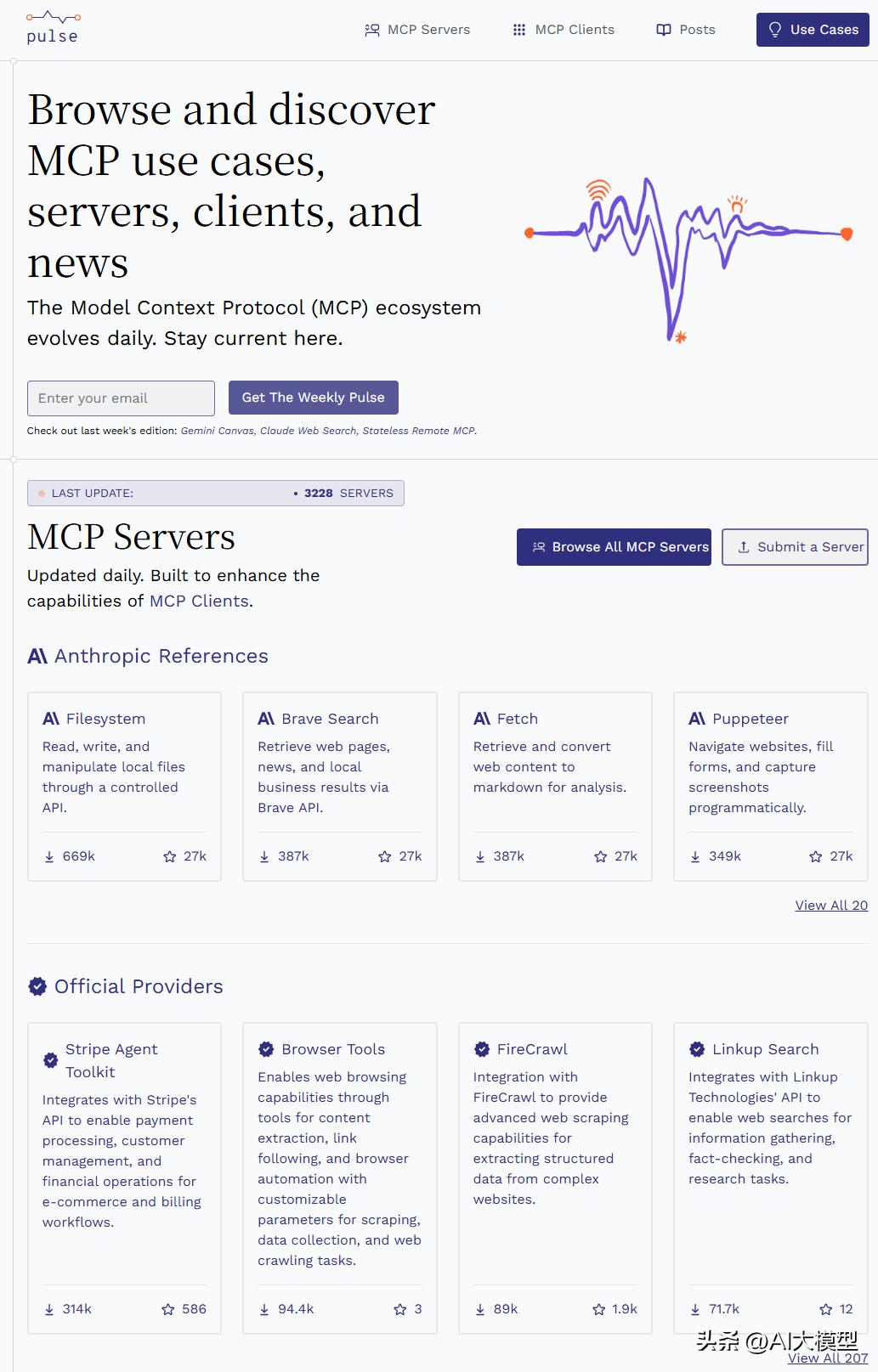
Another typical representative is a website like mcp.so It not only performs static classification, but also integrates the dynamics of new service launches. This type of platform can intuitively display the ecological popularity and help developers discover which tools have been widely adapted. Connectors for mainstream applications such as Slack and Notion are often ranked high.
Integrated client and management tools
Client tools such as Clinia are intended to become a unified operating entrance for MCP services. They allow users to load multiple MCP servers and interact with different AI models through a simple interface. This design makes it easier for non-technical users to use it, and even product managers or designers can directly call functions.
For developers, such tools provide a convenient testing environment. They can verify the availability and stability of MCP services without having to build complex frameworks themselves. Some clients also support expansion, allowing developers to embed custom server implementations.
Unified API management and integration platform
Platforms such as MCP are dedicated to solving the complex problems that arise when multi-model APIs and MCP services are mixed. Developers often have to start GPT-4, Claude, and multiple MCP tools at the same time. Such platforms provide a unified API layer for abstraction and management.
They often provide clear integration guidelines to guide developers on how to embed MCP services into their own AI applications or automated workflows. For teams building cross-platform automation processes and teams building CI/CD integration, this can significantly reduce the duplication of development costs caused by underlying docking.
Linkage between rules engine and automation
There are some high-level platforms that combine the capabilities of MCP services with automated rule engines. This means that MCP tools can not only be called by AI models, but can also be automatically triggered based on preset conditions. For example, when database resources are updated, log analysis or notification processes are automatically triggered.
This linkage opens up a new path for building intelligent workflows. Developers do not need to write complex logic from the beginning. With the help of configuration rules, they can achieve MCP services and collaborate with external systems, greatly improving the efficiency of building automated scenarios.
Community and dynamic aggregation site
Active communities are an indispensable element for the existence of a healthy ecology. There are some websites that aggregate technical blogs specifically for MCP, collect and include use cases, and integrate community discussions. In such a website environment, developers can find corresponding solutions to various specific technical problems and improve their own capabilities by learning from others' practical experience.
Even ordinary users can still understand the ecological development trend and the feedback given by users on these sites. Whether it is a just-released adapter review or a best practice tutorial, this up-to-date information obtained from the community plays a critical role in tracking MCP technology trends and can assist all parties in making more intelligent selection decisions.
In front of such a rich MCP resource platform, when you are currently carrying out development work or using AI applications, what are the most common infrastructure pain points that you encounter? You are welcome to share your experience in the comment area. If you feel that this article can be useful, please give it a like and support.