When the name Disney is mentioned, many people will immediately think of fairy tales and joy. However, behind the aura exuded by this extremely large entertainment empire, the complexity of its business landscape and the practical challenges it has faced in recent years are also worthy of people's attention.
Company origins and early development
In 1923, Walt Disney founded the company in California, USA. At the beginning, it was just a small animation studio, and its core business was to create cartoon images.
The initial success was due to the emergence of classic characters such as Mickey Mouse. These images were quickly recognized by the market through short films and merchandise, accumulating initial funds and brand influence for the company's future diversified expansion.
Huge business architecture system
Today's Disney's business is no longer limited to animation. Its structure is mainly divided into three major sectors, namely theme parks and consumer products, media network distribution, and core content production, and each sector covers a large number of subsidiaries and brands.
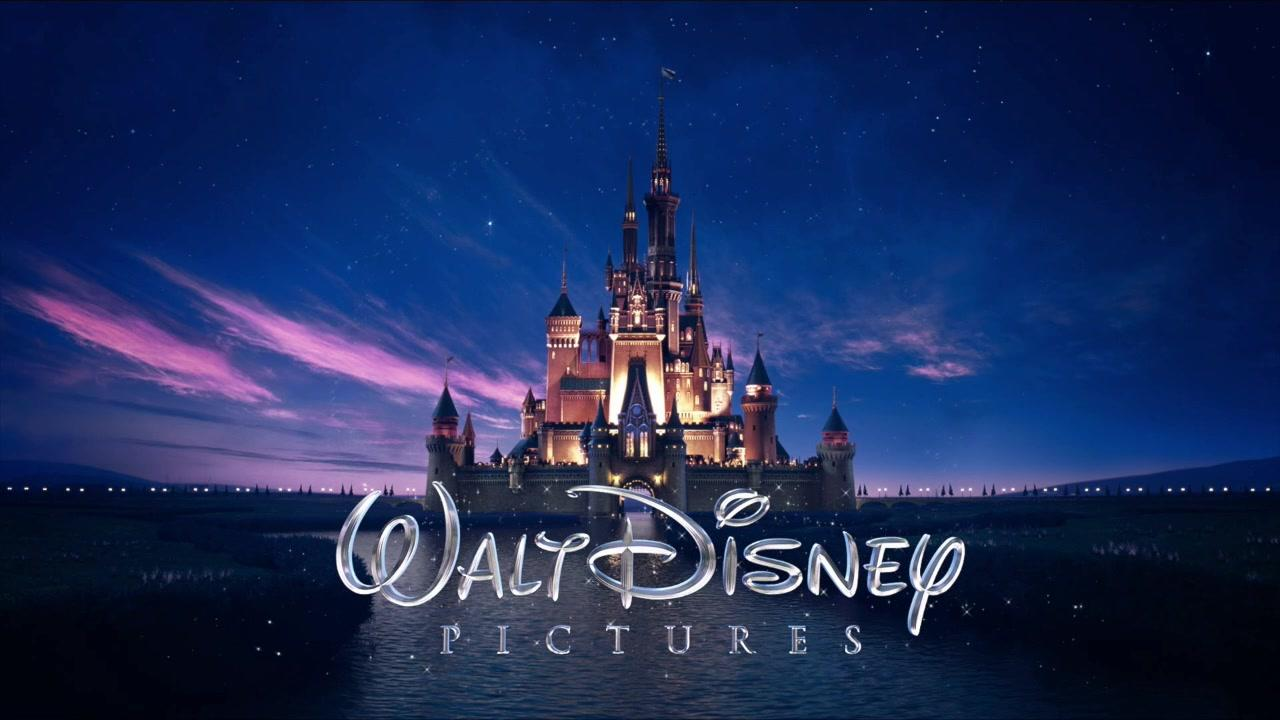
In the field of film and television, in addition to its own Walt Disney Pictures, it also holds prestigious labels such as Pixar, Marvel Pictures, and Lucasfilm. The scope of these subsidiaries covers different types of content production such as animation, superheroes, and science fiction.
Global Theme Park Network
Disney has a number of operating or authorized resorts around the world. Disney World and Disneyland in the United States, as its directly operated core assets, attract a large number of tourists every year.
Abroad, Tokyo Disney Resort is operated by Oriental Land Company, but related projects in Paris, Hong Kong and Shanghai use joint venture or licensing models. Shanghai Disney Resort was officially opened in 2016 and has become its key growth point.
Content production and distribution map
Disney's influence comes from its internal content sector. Every year, the film industry department launches many films for global distribution. These works are often linked to its parks and product sales.
Its media distribution network is also very powerful, and it once had channels such as ABC Television Network. In recent years, it has also launched its Disney+ streaming service, aimed directly at consumers, in response to the decline of traditional cable television.
Financial performance and market position
According to publicly presented financial reports, the company's overall revenue during fiscal year 2020 is close to US$70 billion. Even though it has suffered the impact of global events, its large-scale business portfolio has still demonstrated a relatively strong ability to resist risks.
It ranks at the top of various commercial lists all year round. For example, in the 2020 and 2021 "Fortune" most admired companies and global brand value rankings, Disney is at the top, demonstrating its solid brand equity.
Challenges and Controversies
However, this large-scale enterprise has also encountered many challenges. Competition in the field of streaming media is extremely fierce. Rivals such as Netflix have caused constant pressure on it, and the theme park business is easily affected by economic cycles and external environments.
The company's cultural tendencies in content creation, its integration methods for acquiring IP, and its localization strategies in overseas markets often trigger discussions and disputes among different groups, all of which test its management wisdom.

In view of the competitive situation of streaming media and the continuously changing market preferences, in your opinion, what will be Disney's most critical strategic direction in the future? Welcome to share your opinions in the comment area, and don’t forget to like this article to support it.