
Sony has recently made a requirement to bind PSN accounts for PC games. This requirement has once again triggered extensive discussions in the player community about platform strategies and experience costs.
Platform strategy and player selection
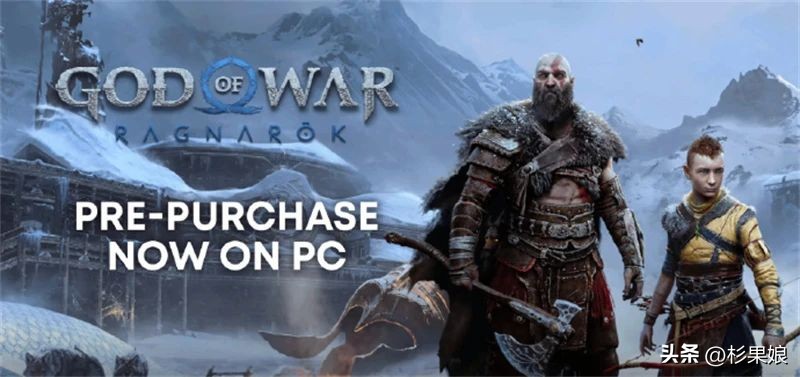
Sony has made it mandatory to bind PSN accounts to many PC games. This is part of its ecosystem expansion plan. This approach is intended to include more PC players into its PlayStation Network service system. For players, this extra step of registration and verification process increases the operating costs before playing.
Whether players are willing to accept this condition depends on the attractiveness of the game itself and the convenience of account binding. If the quality of the game is high, some players may give in. But from a long-term perspective, this strategy may have an impact on the initial acceptance of Sony games on the PC platform.
Regional restrictions and access methods
For some of the works that belong to Sony, there are still regional restrictions on platforms such as Steam, which is like a national lockdown. What this means is that players in specific areas cannot use regular store pages to directly purchase and download games, and have to find other ways to accomplish this.
This situation often leads players to use cross-region accounts, physical versions, or other unofficial channels. The process is cumbersome and may be accompanied by risks. Such man-made obstacles are contrary to the increasingly globalized trend of the game industry. In fact, they block some potential users from the door.
Outsourcing development and quality trade-offs
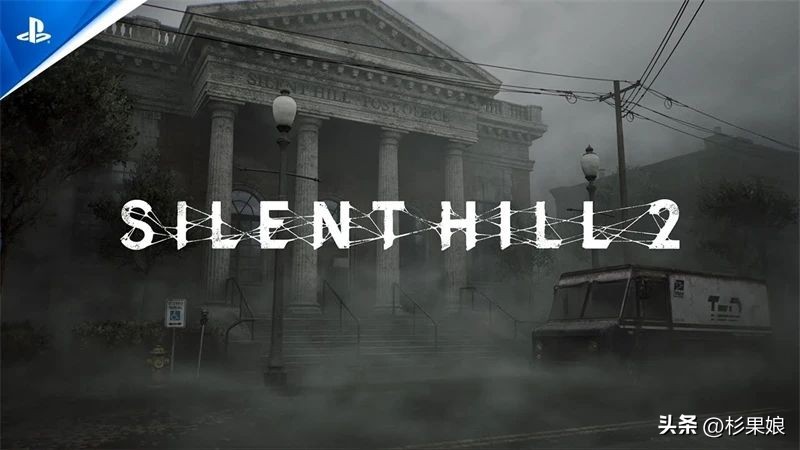
Outsourcing the remake of a classic IP like "Silent Hill 2" to an external studio like Bloober Team is a double-edged sword. Judging from the modeling and screen effects shown in the trailer, there are differences that can be seen with the naked eye between it and the remake produced by Capcom internally using the RE engine.
Outsourcing plays a role in taking the pressure off first-party studios and bringing in new creative ideas. However, there are problems with outsourcing that cannot be ignored. There may be communication costs and technical differences, which may lead to unstable quality of finished products. The success or failure of the final result depends on the quality control of the issuer and the depth of understanding of the outsourcing team, and all of this needs to be tested by the market after the sale.
Gameplay definition and core experience
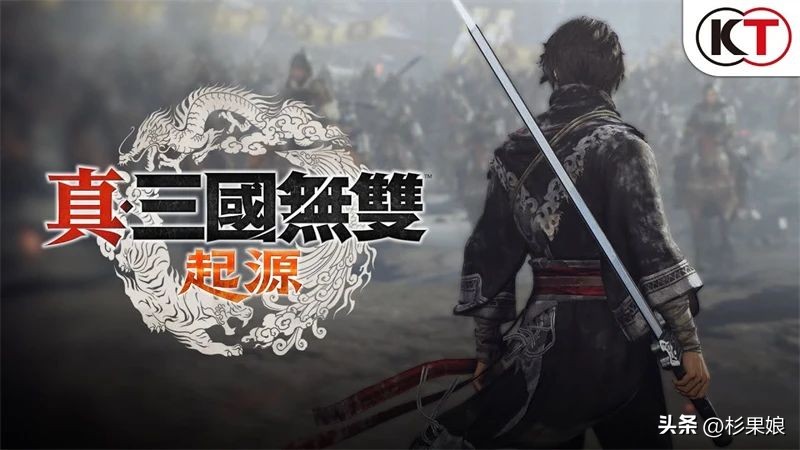
Koei Tecmo has identified the new game as a "tactical action game", but its trailer still highlights the iconic grass-cutting pleasure of the traditional "Wusou" series. This promotional positioning attempts to find a balance between attracting old fans and expanding new users.
For fans of the series, the familiar combat rhythm and refreshing feeling are the primary attractions. However, whether the addition of "tactical" elements can actually change the depth of the gameplay, or whether it is just at the promotional level, can only be judged through actual play.

Art style and scene interaction
The original paintings and modeling displayed during the promotion of "Sixteen Voices of Yanyun" and other domestic games began to show a unique aesthetic that was different from the common styles on the market. The large number of destructible elements included in its scene design means that the gameplay will pay more attention to environmental interaction and dynamic changes.
This emphasis on visual features and scene interaction is the key point for games to find differentiated competition. Whether it can run through the complete open world experience from beginning to end and serve the core gameplay will be an important factor in determining its success or failure.
Multi-platform layout and content exclusivity
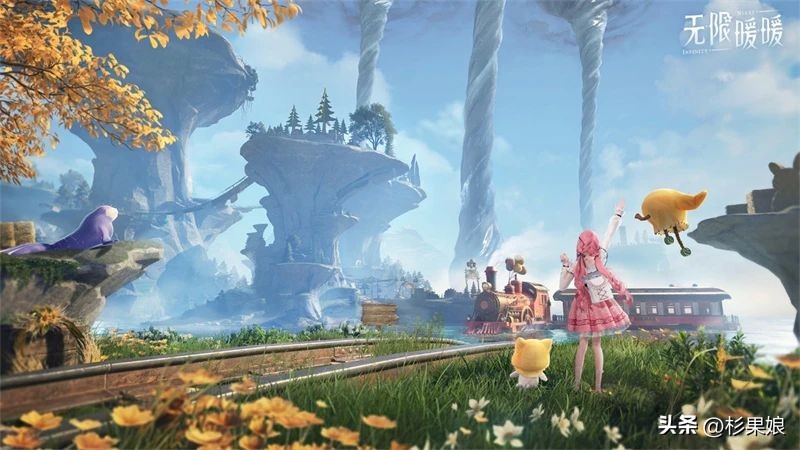
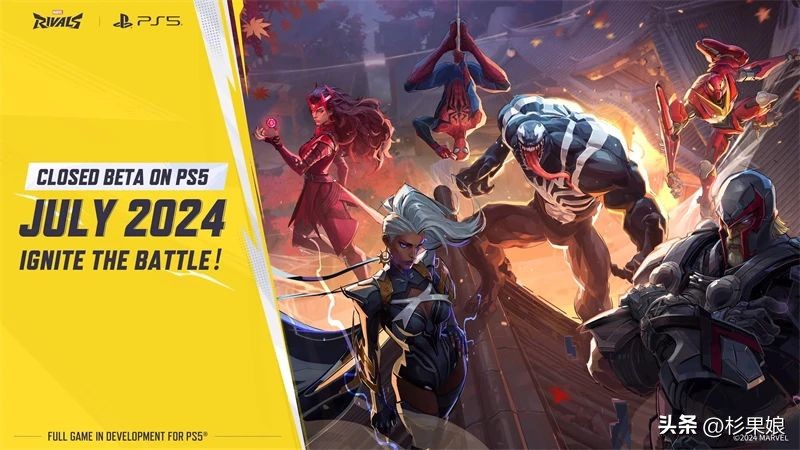
In the case of "Infinite Warmth", "Contract of All Things" and even the remake of "Until Dawn", simultaneous multi-platform distribution is the norm. However, PS platform players can obtain exclusive skins or early test qualifications, and such content differences continue to remain.
Among the many business methods used by platforms to attract users, this exclusive content approach can easily lead to disputes between player communities on different platforms. If an exclusivity arrangement excessively affects the core game experience, it is likely to cause damage to the overall reputation of the game brand.
What do you think of Sony's strategy of using PC games to attract new users to PSN? Is it a necessary measure that can be accepted, or is it a redundant level that will affect the experience? Feel free to share your own opinions in the comment area.