
The performance of the new Mac computer is very powerful. However, how to safely and quickly move the data from the old computer has become the primary problem faced by many users.
Practical challenges of data migration
Migrating files and settings from one computer to another sounds simple and easy on the surface, but differences in systems often cause a lot of trouble. In the past, when switching from another computer to a Mac and relying on manual copying, it was very likely that the files would not open properly and the software would not match. It would take a lot of time to organize and adjust. This is not just a matter of copying files, but also covers key information such as software settings and browser favorites that individuals usually use. Manual operation is easy to miss and is time-consuming and energy-consuming.
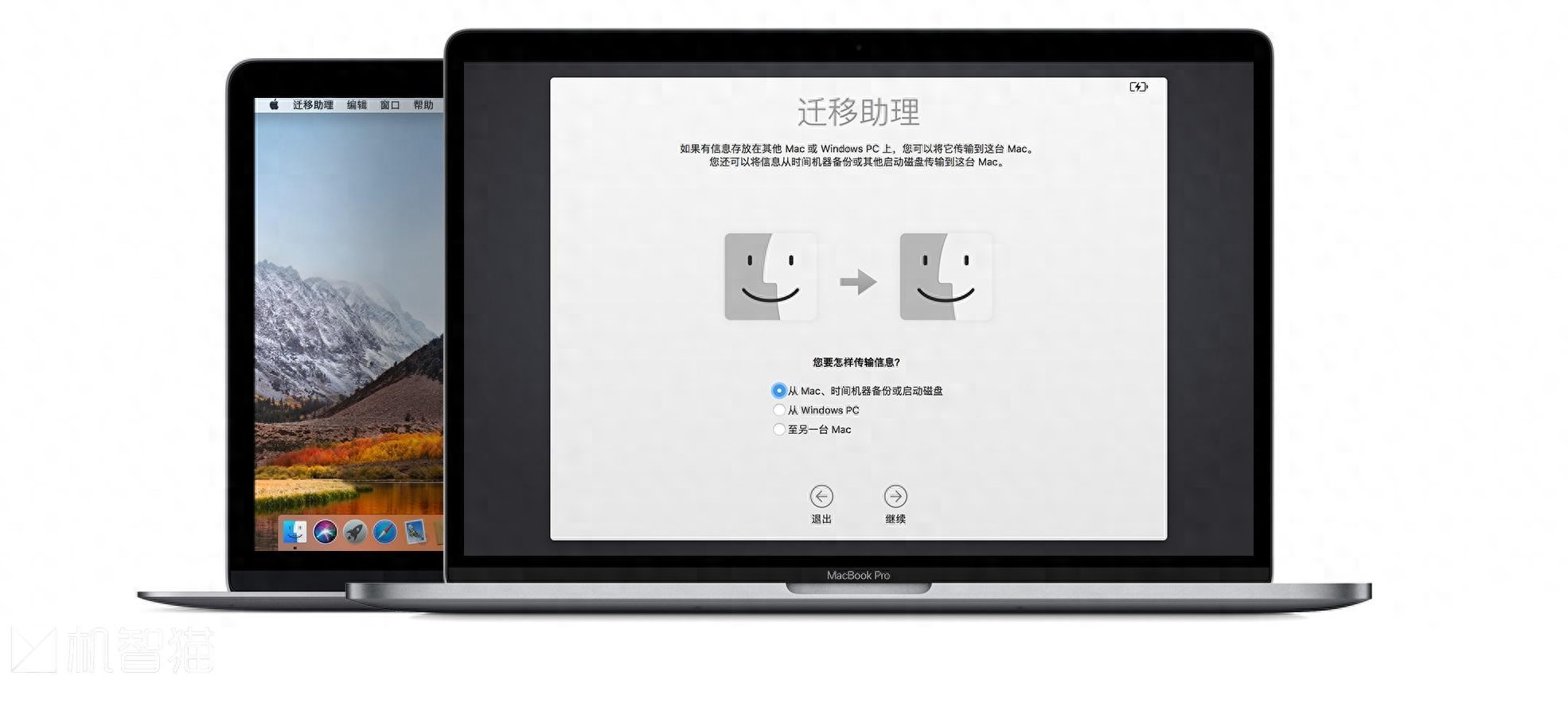
Apple has launched a specially available "Migration Assistant" tool for this purpose. This tool is intended to solve the core pain point of cross-platform data transfer. Especially in the latest version, this tool has been adapted to Macs equipped with M1 chips and macOS Big Sur systems. This shows that users using new hardware can obtain more stable and efficient migration support without worrying about compatibility obstacles caused by changes in the underlying architecture.
Core advantages of official tools
The most outstanding advantage of Migration Assistant is that it has a "fully automatic" feature. Users do not have to distinguish which files can be copied and which settings need to be retained. This tool will rely on intelligent identification capabilities and complete the packaging and transfer operation. It can process user folders such as photos, documents, downloads, etc., and can also transfer specific data and settings of many applications, greatly reducing manual configuration work after migration.
Compared with third-party software, this is Apple's official free method, which is more secure in terms of stability and security. It transfers data between two computers by creating a direct network connection, avoiding the risks that may arise from using intermediate storage devices. For users who value data privacy, using original tools is a more secure and worry-free choice.
Data range supported for migration
Migration Assistant supports an extremely wide range of areas. In addition to basic personal folders, it can also migrate email accounts and mail data. It can also transfer system address books, calendar events, and browser bookmarks. This means that when users open the browser on a new computer, those familiar website links may already be in place, and the basic environment based on daily work can be quickly restored.
Even better, it can migrate some system settings and preferences, such as desktop wallpapers and mouse scrolling directions. Although there is no way to ensure that 100% of applications can be transferred perfectly, it can handle user data of most commonly used software properly, thus saving users a lot of time in repeated settings.
Detailed step-by-step instructions
Download and install the latest version of Migration Assistant on your old computer. Users can visit the English support page of Apple's official website to find the download link. After the software is installed, the interface will automatically adapt to Chinese. During operation, you need to ensure that both computers are connected to the same network and close other applications that may interfere with transmission.
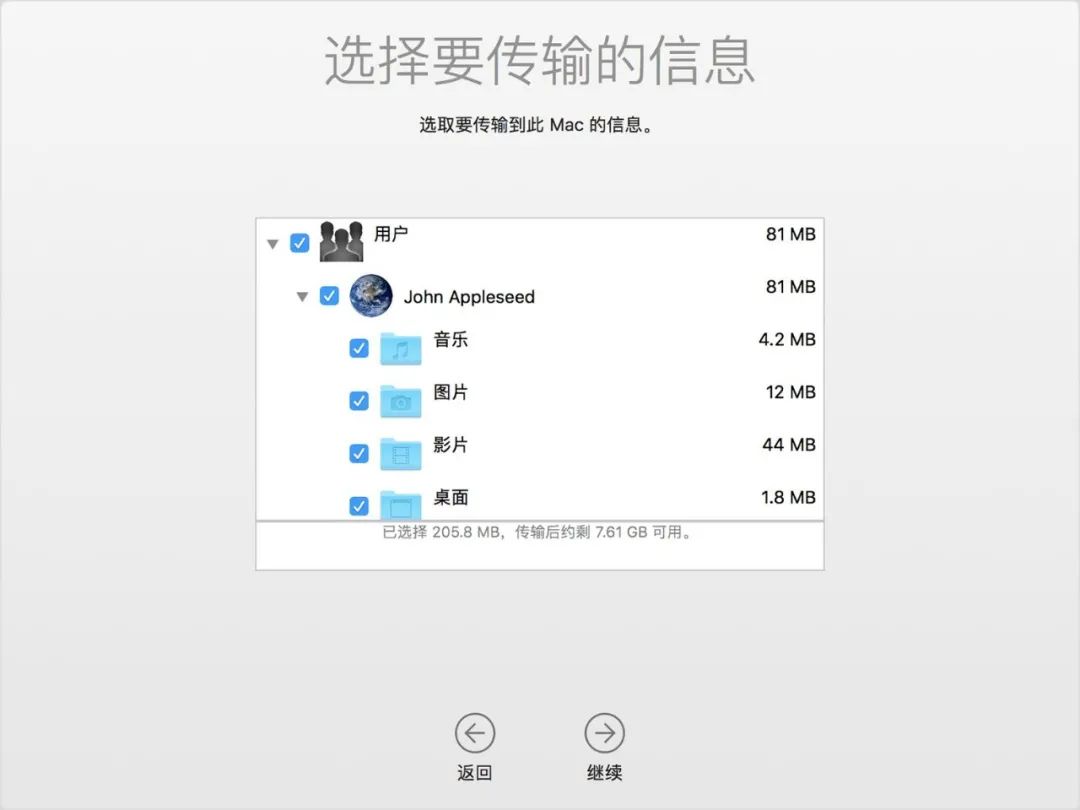
On a brand new Mac computer, find Migration Assistant in the "Utilities" folder in "Applications" and open it. Select the "From PC" option and the software will generate a digital verification code. Enter this code on the old computer's migration assistant, and the two devices successfully establish a secure connection. Then follow the on-screen guidance to select the content to be transferred and start the migration.
Handle common issues in migration
The time required for the migration process depends mainly on the amount of data, which may take several hours if there are a large number of files. It is recommended to turn off the computer's energy-saving mode and connect it to the power supply before starting to ensure that the process will not be interrupted due to power outage. If the network transmission is unstable, you can also consider using an external hard drive to create a backup on the old computer, and then connect the hard drive to the new Mac for recovery.
This is generally normal if some application data fails to be transferred successfully. Users can visit the official websites of these applications to find their cross-platform data export and import methods as a supplement to the migration assistant. Many mainstream software, such as office suites and design tools, provide detailed data migration guidance.
The long-term value of integrating into Apple’s ecosystem
The successful data migration results show that users can continue to work and create on the new M1 Mac device without any hindrance and in an uninterrupted manner, and immediately experience the improvements in operating speed and energy efficiency achieved by the new hardware. This situation has reduced the initial cost for users when switching platforms, making it easier to experience the advanced functions of the Apple ecosystem.
As collaboration between Apple devices increases, such as Universal Clipboard and Continuous Interoperability, complete data migration in the early stages lays a solid foundation for efficient multi-device collaboration. Users' data, preferences and habits are completely retained, allowing new devices to be quickly transformed into productivity tools that are easy to use, rather than unfamiliar machines that require re-adaptation.
For those users who are considering switching to Apple Mac computers from other platforms, what kind of data or settings are you most worried about losing during the migration process? You are welcome to express your opinions in the comment area. If you find this article helpful, please like it to support it.